

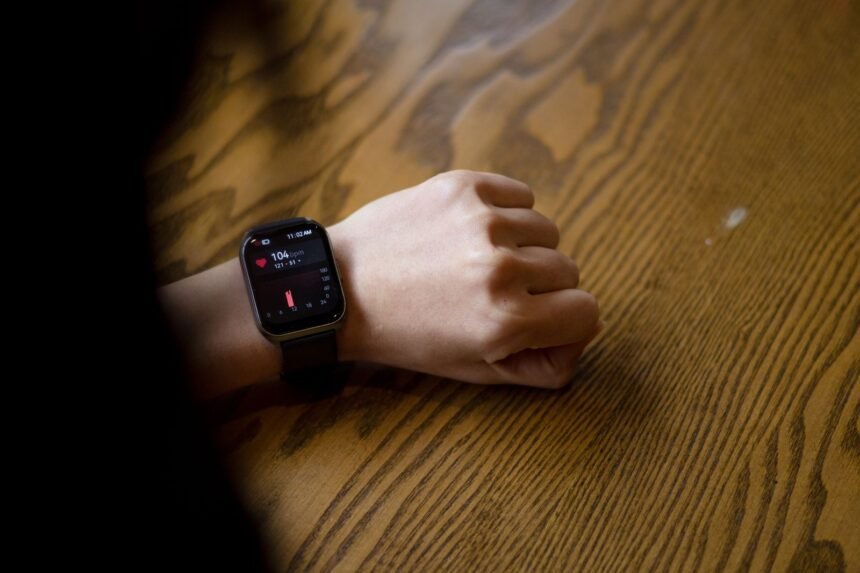
You are probably wasting your time walking at a snail pace on a treadmill. Every fitness influencer on your feed claims Zone 2 cardio is the magic key to burning fat. They tell you to keep your heart rate low, breathe through your nose, and watch the fat melt away. But they are hiding the cold, hard math.
- The Math of the Fat-Burning Zone Myth
- The High Cost of Free Time
- The EPOC Effect and Metabolic Afterburn
- How High Cortisol Sabotages Your Low-Intensity Goals
- The Real Role of Muscle in Fat Loss
- Why Elite Athletes Do Zone 2 (And Why You Are Not Them)
- The Mental Fatigue of Endless Cardio
- Optimizing Your Routine: The Minimum Effective Dose
- The Fuel Problem: Sleep and Recovery
- Frequently Asked Questions
The truth is that the fat-burning zone is a massive misunderstanding of human metabolism. Yes, your body burns a higher percentage of fat at a lower heart rate. But a higher percentage of a tiny number is still a tiny number. If you want to lose real weight without spending three hours a day on a stationary bike, you need a reality check.
The Popular Myth: You must exercise at a low intensity to stay in the fat-burning zone, as high-intensity workouts only burn sugar and store fat.
What Field Testing Shows: High-intensity efforts burn far more total calories per minute. This creates a bigger energy deficit, which is the only thing that drives long-term fat loss.
- Rule 1: Prioritize total daily energy burn over the specific fuel source used during your workout.
- Rule 2: Cut friction by walking briskly for ten minutes immediately after your three main meals.
- Rule 3: Lift heavy weights three times a week to keep your metabolic rate high while losing fat.
The Math of the Fat-Burning Zone Myth
Let us look at the real numbers. When you sit on a couch, your body burns mostly fat for fuel. But you do not see anyone getting shredded by watching television. Why? Because the total energy you burn is incredibly small.
Percentage versus total volume is where people get confused. During a low-intensity Zone 2 session, your body might get 60 percent of its energy from fat. If you burn 200 calories in 40 minutes, you burned 120 fat calories. That sounds great on paper.
Now, look at a high-intensity session. You might only get 35 percent of your energy from fat. But if you burn 400 calories in that same 40 minutes, you burn 140 fat calories. Plus, you burned double the total calories. That extra energy deficit is what actually shrinks your waistline.
[YOUTUBE_SEARCH: fat burning zone myth science total calories]
The High Cost of Free Time
The biggest issue with Zone 2 cardio is not the science. It is your calendar. To get the aerobic benefits of Zone 2, you need to do it for a long time. We are talking 45 to 90 minutes per session.
Most busy people do not have two hours a day to spend on a treadmill. Trying to fit three long cardio sessions into a busy work week is incredibly difficult. You end up skipping workouts because you do not have a free ninety-minute block.
You do not need massive blocks of time to get lean. Short, intense efforts fit into any schedule. A quick twenty-minute circuit can kickstart your metabolism and save you hours of boring cardio.
The EPOC Effect and Metabolic Afterburn
When you finish a Zone 2 walk, the calorie burning stops almost immediately. Your heart rate returns to normal within minutes. Your body goes back to its baseline state.
High-intensity training does something completely different. It creates a state called Excess Post-exercise Oxygen Consumption, or EPOC. Your body has to work hard for hours after the workout just to recover.
This afterburn effect means you are burning extra calories while showering, working, and sleeping. This elevated burn can last for up to 24 hours. Zone 2 simply cannot compete with this post-workout metabolic boost.
How High Cortisol Sabotages Your Low-Intensity Goals
Many people turn to endless cardio because they are highly stressed. They think more exercise will fix their stubborn belly fat. But adding hours of slow cardio to an already stressful life can backfire.
Chronic stress raises your cortisol levels. High cortisol makes your body hold onto fat, especially around your midsection. If you are chronically stressed and sleep-deprived, long cardio sessions just add more physical stress to your system.
Instead of pacing on a treadmill for hours, you might need to manage your stress first. If you struggle with daily anxiety and high tension, using aromatherapy patches vs diffusers for anxiety can help bring your stress levels down much faster than another exhausting cardio session.
“The secret to fat loss is not finding a magical zone. It is creating a sustainable energy deficit while keeping your muscle tissue intact.”
The Real Role of Muscle in Fat Loss
Your muscles are your body’s primary calorie-burning engines. The more muscle you have, the more calories you burn every single second of the day. Zone 2 cardio does very little to build or maintain muscle.
If you only do cardio while eating in a calorie deficit, your body will burn both fat and muscle for fuel. You might lose weight on the scale, but you end up looking soft. This is often called being skinny-fat.
To prevent this, you must lift weights. Resistance training signals your body to keep its muscle. This keeps your metabolism running hot, ensuring the weight you lose comes from fat, not muscle tissue.
Why Elite Athletes Do Zone 2 (And Why You Are Not Them)
Pro cyclists and marathon runners spend up to 80 percent of their training time in Zone 2. Influencers see this and think regular people should do the same. But this is a classic mistake.
Elite athletes train for 20 to 30 hours every single week. If they did all of that at a high intensity, their bodies would break down in days. They use Zone 2 to build massive aerobic engines without destroying their joints.
You are not training 25 hours a week. You are likely training three to five hours a week. You do not need to worry about the extreme recovery demands of a professional athlete. You need to maximize the efficiency of your limited time.
[YOUTUBE_SEARCH: why zone 2 cardio is overrated for fat loss weight loss]
The Mental Fatigue of Endless Cardio
Boredom is the silent killer of consistency. Pacing on a treadmill or spinning a bike at a moderate rate for hours is mentally draining. Most people quit their fitness plans simply because they get bored to tears.
Physical movement should make you feel alive, not feel like a chore. If you hate slow cardio, you will eventually stop doing it. Your brain needs variety and engagement to stay motivated over the long haul.
If you want movement that helps your brain relax and stay engaged, look at other options. Comparing somatic exercises for stress relief vs traditional yoga can show you how to move your body mindfully. These methods relieve tension without the sheer boredom of a treadmill.
Optimizing Your Routine: The Minimum Effective Dose
You do not have to throw Zone 2 out the window completely. It is still great for your heart and general health. But you should treat it as a tool for recovery, not your main fat loss strategy.
The perfect formula for fat loss is simple. Start with three weight lifting sessions per week using compound movements like squats and rows. Then, add short bursts of high-effort movement, like kettlebell swings or hill sprints, once or twice a week.
Fill in the rest of your day with natural, low-stress movement. Walk to the grocery store. Take the stairs. This active lifestyle burns plenty of energy without requiring you to stare at a gym wall for hours.
The Fuel Problem: Sleep and Recovery
No amount of cardio can save you from a bad diet or terrible sleep. If you sleep five hours a night, your body will resist losing fat. Sleep deprivation spikes your appetite and makes you crave sugary foods.
Good sleep is the actual foundation of a lean body. When you are rested, you have more energy to move, lift heavier weights, and make better food choices. Recovery is where the actual fat loss happens.
To improve your sleep quality, focus on your evening habits. Many people find that natural minerals help calm their nervous system before bed. Reading about magnesium glycinate vs threonate can help you choose the right tool to improve your sleep depth and cognitive recovery.

- Walk post-meal: Set a timer for a 10-minute walk after lunch to lower your blood sugar spike.
- Track step count: Check your phone steps right now and aim for a simple 8,000 daily target.
- Ditch the scale: Focus on how your jeans fit rather than daily water weight fluctuations.
- Pack protein: Eat 30 grams of protein with your next meal to boost fullness and preserve muscle.
- Hydrate first: Drink a large glass of water before reaching for snacks to check if you are actually thirsty.
Frequently Asked Questions
Is Zone 2 cardio useless for fat loss?
No, it is not useless. It burns calories and improves your overall heart health. However, it is highly inefficient if it is your only tool for fat loss. You have to spend too much time to get minimal results compared to resistance training and a proper diet.
Can I lose weight with just diet and lifting?
Yes. You can lose all the fat you want without doing a single minute of traditional cardio. A consistent calorie deficit combined with heavy lifting is the most efficient way to get lean and build a strong body.
How often should I do Zone 2 if I enjoy it?
If you genuinely enjoy slow walks or bike rides, do them. They are great for your mental health. Two to three sessions of 30 to 45 minutes per week is a great sweet spot that will not interfere with your strength training or drain your energy.