
Sustained occupational sedentariness is an aggressive driver of metabolic dysregulation. When a worker remains seated for uninterrupted blocks exceeding sixty minutes, skeletal muscle contraction ceases in the large postural muscle groups of the lower body, triggering a precipitous drop in local lipoprotein lipase (LPL) activity and blunting microvascular perfusion. This biological stagnation impairs systemic glucose disposal, destabilizes postprandial insulin sensitivity, and increases arterial stiffness through prolonged low shear stress across the endothelial lining. For desk-bound professionals trapped in relentless meeting cadences, high-volume exercise prescriptions often fail due to time constraints and executive fatigue. The solution lies in strategic micro-dosing. Deploying an intentional 10-minute under-desk walking pad routine leverages non-fatiguing, insulin-independent glycogen depletion and muscular pump activation to interrupt continuous sedentary degradation. By targeting precise biomechanical cadences and walking velocities, professionals can restore vascular elasticity, enhance midday cognitive focus, and stabilize glycemic excursions without introducing motor interference or excessive perspiration into the workday.
- The Sedentary Crisis: How Static Sitting Impairs Metabolic Homeostasis
- The 10-Minute Micro-Bout Science: Breaking Glycemic Stasis
- Under-Desk Activity Modalities: A Clinical Comparison
- The Precision 10-Minute Under-Desk Walking Pad Routine
- Phase 1: The Neurovascular Acclimation (Minutes 0:00 – 3:00)
- Phase 2: The Metabolic Steady-State Core (Minutes 3:00 – 8:00)
- Phase 3: The Neuromotor Reset and De-escalation (Minutes 8:00 – 10:00)
- Cognitive Load Management and Dual-Task Ergonomics
- The 4-Week Progressive Adaptation Blueprint
A targeted 10-minute walking pad bout performed at 1.5 to 2.2 mph immediately following meals or midway through protracted cognitive work bouts restores femoral artery flow-mediated dilation and drives immediate glucose uptake via non-insulin-dependent GLUT4 translocation. Structuring this micro-session into three discrete physiological phases prevents dual-task cognitive interference and autonomic overstimulation while elevating non-exercise activity thermogenesis (NEAT) by 140 to 180 percent above resting baselines. This intervention is suited for knowledge workers suffering from mid-afternoon somnolence, elevated postprandial glucose, or lumbar spinal compression caused by prolonged static sitting.
- Primary Mechanism / Finding: Intermittent 10-minute bouts of ambulation restore muscle-specific LPL activity and prompt robust GLUT4 translocation to the sarcolemma, reducing peak postprandial glycemic excursions by 17 to 24 percent.
- Optimal Protocol / Top Pick: The 10-minute “3-5-2” Micro-Session: 3 minutes of base acclimation at 1.5 mph, 5 minutes of steady-state aerobic pacing at 2.0 to 2.2 mph, and 2 minutes of low-velocity recovery at 1.2 mph.
- Practical Alternative: For individuals managing joint irritability or recovering from soft tissue microtrauma, pairing a flat deck with supportive indoor zero-drop footwear prevents repetitive plantar strain, similar to our structured Gentle 20-Minute Walking Pad Workout Plan for Knee Pain and Weight Loss.
- Critical Pitfall: Walking at velocities above 2.5 mph while attempting high-bandwidth motor tasks like complex typing, which introduces cerebellar interference, elevates neck-shoulder trapezius tension, and reduces occupational throughput.
The Sedentary Crisis: How Static Sitting Impairs Metabolic Homeostasis
Prolonged sitting triggers acute biological consequences that cannot be completely neutralized by a single 45-minute gym session at dawn or dusk. Landmark research led by Dr. Marc Hamilton demonstrated that acute contractile inactivity in postural skeletal muscles—predominantly the soleus and vastus lateralis—suppresses the enzymatic activity of endothelial lipoprotein lipase by up to 90 percent within hours. Lipoprotein lipase hydrolyzes triglycerides in circulating lipoproteins into free fatty acids for muscular oxidation; when suppressed, plasma triglyceride clearance plummets, high-density lipoprotein (HDL) synthesis drops, and systemic lipid partitioning shifts toward visceral adipose depots.
Concurrently, systemic glucose management deteriorates during prolonged desk work. In resting myocytes, glucose uptake depends heavily on systemic insulin signaling to mobilize glucose transporter type 4 (GLUT4) protein vesicles from intracellular pools to the cell surface. Without periodic mechanical stress and calcium oscillations generated by muscle contraction, resting muscle remains metabolically inert. Following meal consumption, sedentary office workers face sustained hyperinsulinemia and exaggerated glycemic excursions, accelerating low-grade vascular inflammation through advanced glycation end-products and cellular oxidative stress.
Vascular mechanics suffer a parallel decline during static desk work. The human lower extremity depends on the rhythmic contraction of the deep calf musculature—the soleus and gastrocnemius venous pump system—to overcome hydrostatic gravitational pressure and return deoxygenated blood to the right atrium. Uninterrupted sitting induces venous pooling in the lower legs, escalating microvascular transmural pressure and drastically attenuating laminar shear stress along the endothelial walls of the femoral and popliteal arteries. Diminished shear stress prompts endothelial cells to downregulate endothelial nitric oxide synthase (eNOS), inducing acute arterial stiffness and leaving the vascular tree vulnerable to hypertensive remodeling over multi-year careers.

The 10-Minute Micro-Bout Science: Breaking Glycemic Stasis
Breaking sustained sedentary periods with brief walking sessions exploits contraction-mediated glucose disposal pathways that operate independently of systemic insulin. Landmark randomized cross-over trials, notably those by Dunstan and colleagues in Diabetes Care, demonstrate that interrupting prolonged sitting with short bouts of light-to-moderate walking every thirty to sixty minutes substantially attenuates postprandial glucose and insulin area under the curve (AUC). Muscle contractions elicit rapid intracellular calcium release and activate 5′-AMP-activated protein kinase (AMPK), an energy-sensing kinase that triggers direct GLUT4 vesicle translocation to the sarcolemmal membrane without requiring an insulin receptor cascade.
Ten minutes represents an optimal minimum effective dose for busy knowledge workers. This duration provides enough continuous muscular contractions—roughly 1,000 to 1,300 steps depending on cadence—to completely renew lower-limb microvascular shear stress and reactivate local LPL synthesis while remaining brief enough to bypass thermal accumulation. The core objective is metabolic stimulation without sweat production, keeping workers fresh for client calls, high-cognitive analysis, and professional duties.
Furthermore, these periodic ten-minute kinetic intervals alter systemic cytokine profiles. Extended sitting increases systemic levels of interleukin-6 (IL-6) and tumor necrosis factor-alpha (TNF-alpha), driven in part by static pelvic compression and sluggish venous return. Introducing periodic muscular tension induces the secretion of beneficial muscle-derived myokines, such as myokine-regulated brain-derived neurotrophic factor (BDNF) and myelin-supportive signals, providing neuroprotective effects that sharpen executive functioning, working memory, and working-speed processing for subsequent desk tasks.
Under-Desk Activity Modalities: A Clinical Comparison
Selecting an active workstation intervention requires balancing cardiovascular stimulation, mechanical ergonomics, and cognitive distraction. The table below summarizes five common occupational movement strategies across verified physiological metrics.
| Protocol / Intervention | Dose / Intensity Range | Primary Biomarker / Mechanism | Clinical Evidence Level | Target Population |
|---|---|---|---|---|
| 10-Min Walking Pad Routine | 1.5 – 2.2 mph (10 mins) | Contraction-driven GLUT4 translocation; popliteal shear stress | Level 1 (Multiple RCTs) | Knowledge workers with dense meeting schedules |
| Static Standing Desk | 0.0 mph (Static 30-60 mins) | Modest NEAT increase; risks venous pooling and lumbar lordosis | Level 2 (Observational / Controlled) | Workers seeking simple posture shifts |
| Under-Desk Elliptical / Pedal | 40 – 60 rpm (15-20 mins) | Quadriceps glycogen use; compromised hip angle | Level 2 (Single-center trials) | Individuals with severe balance or inner-ear issues |
| Extended Continuous Walking | 1.8 – 2.5 mph (45-60 mins) | Higher absolute caloric output; elevated sweat risk and typing errors | Level 1 (Robust trials) | Desk workers consuming media or low-input reading |
| Uninterrupted Sitting (Control) | 0.0 mph (Static 8 hours) | LPL suppression, low eNOS activation, peripheral venous pooling | Baseline Reference | Standard corporate baseline (high metabolic risk) |
The Precision 10-Minute Under-Desk Walking Pad Routine
Executing an effective under-desk routine requires precise speed regulation and biomechanical pacing. Arbitrary, aggressive walking generates excessive torso sway, leading to erratic typing inputs and rapid thermal buildup. Conversely, ambulating too slowly fails to supply the muscular contraction thresholds required to stimulate rapid venous emptying and AMPK signaling. If you are starting from a sedentary baseline or require progressive volume, evaluate our foundational 15-Minute Walking Pad Workout Routine for Beginners: A Low-Impact Fat Loss Plan for Desk Workers. For our clinical 10-minute micro-bout, adopt the structured three-tier architecture outlined below.
Phase 1: The Neurovascular Acclimation (Minutes 0:00 – 3:00)
Set the walking pad to exactly 1.5 mph (2.4 km/h). The objective during these initial 180 seconds is neuromuscular integration and tissue warming. Cold elastic tendons and passive joint capsules need progressive mechanical loading to optimize synovial fluid dispersion across the knee and ankle articular surfaces. Maintain a tall spine, activate the deep transverse abdominis by drawing the navel lightly toward the spine, and plant feet with a natural heel-to-toe rolling action. Use these three minutes to handle low-cognitive-load communication tasks, such as scanning your inbox, reviewing calendars, or organizing daily priorities.
Phase 2: The Metabolic Steady-State Core (Minutes 3:00 – 8:00)
Elevate the speed to between 2.0 and 2.2 mph (3.2 – 3.5 km/h). This five-minute block serves as the metabolic engine of the routine. At this speed, motor unit recruitment shifts from low-threshold slow-twitch postural control to sustained rhythmic soleus, gastrocnemius, and quadriceps turnover. The heart rate rises predictably into a low Zone 1 aerobic state—typically between 85 and 105 beats per minute—driving enhanced cerebral oxygen delivery without inducing anaerobic glycolysis or sweating. If you need to participate in audio calls, your respiratory rate remains low enough to speak naturally without audible breathlessness.
Phase 3: The Neuromotor Reset and De-escalation (Minutes 8:00 – 10:00)
Reduce the velocity to 1.2 to 1.4 mph (1.9 – 2.2 km/h). Use this phase to down-regulate sympathetic tone while sustaining gentle muscle contractions to prevent blood pooling in the dilated peripheral microvasculature. Focus on deliberate diaphragmatic nasal breathing: take 4-second nasal inhalations paired with extended 6-second exhalations. This breath tempo stimulates parasympathetic vagal tone, stabilizing arterial pressure and resetting cognitive focus for subsequent deep, seated or standing work.
Anchor your 10-minute walking pad intervals to consistent biological cues rather than variable schedules. The most potent metabolic window is within twenty to thirty minutes following your midday meal. Walking during this initial gastric-emptying and intestinal absorption period directs circulating monosaccharides immediately into working limb skeletal muscle beds, blunting the typical post-lunch glucose spike and subsequent afternoon fatigue.
Cognitive Load Management and Dual-Task Ergonomics
A primary objection to under-desk walking pads is the fear of compromised work productivity. Navigating motor movement while executing professional desk tasks introduces dual-task interference—a paradigm where the prefrontal cortex and cerebellum must split resource bandwidth between postural stabilization and complex executive processing. If walking velocity is calibrated too high, fine motor control of the hands deteriorates, typing accuracy degrades, and analytical processing slows down.
The optimal operating zone for dual-task desk performance is strictly bounded by velocity and task complexity. Research tracking typing metrics on active workstations confirms that velocities under 2.0 mph preserve alphanumeric typing accuracy within 95 to 98 percent of seated baselines. However, typing speed and precision drop significantly when the treadmill speed exceeds 2.4 mph due to greater lateral pelvic oscillation and head movement. Match your work tasks to specific movement phases: save deep creative writing and intricate coding for static positions or the gentle warm-up phase, and schedule document reading, webinar participation, and collaborative calls during the steady-state walking window.
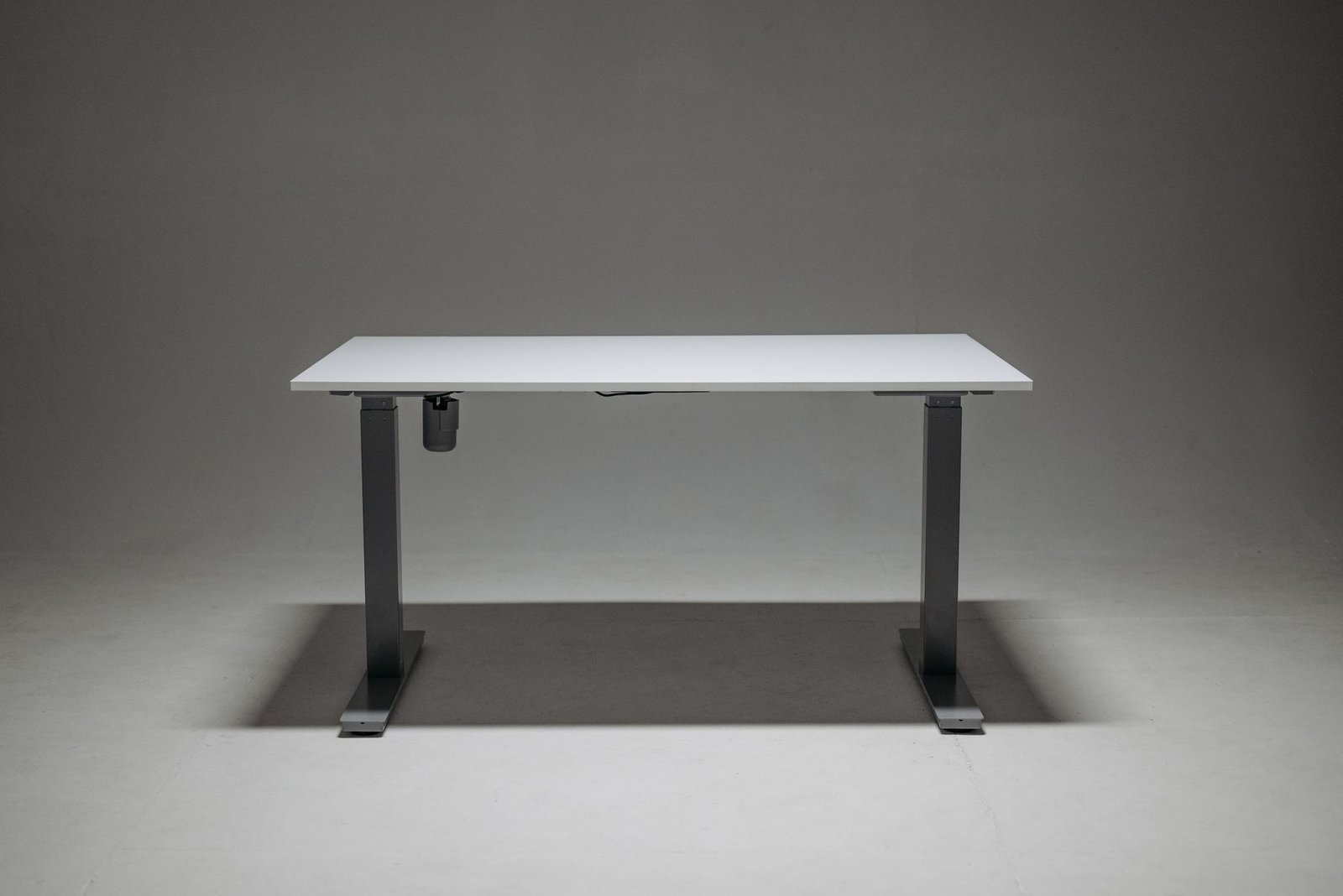
Ergonomic geometry is vital to prevent repetitive stress injuries at an active workstation. When transitioning from a standard seated posture to walking, monitor height, desk height, and keyboard placement must be adjusted. Your walking platform adds five to six inches of elevation above floor level. Elevate your standing desk so your elbows rest at an open 90 to 105-degree angle, keeping wrists completely neutral without dorsal extension. Position the top third of your visual monitor precisely at eye level to eliminate cervical spine flexion, which can lead to tension-type headaches and upper-back fatigue.
The 4-Week Progressive Adaptation Blueprint
Although a single 10-minute micro-session provides immediate vascular and metabolic benefits, long-term body composition and cardiovascular health depend on progressive volume over time. Incorporating these brief walking sessions systematically prevents connective tissue strain while conditioning the plantar fascia, Achilles tendons, and deep stabilizing muscles of the spine. If your primary objective is caloric throughput, review our companion strategy, the 15-Minute Low-Impact Walking Pad Routine for Desk Workers to Burn 200 Calories. For busy corporate environments, follow this clinical four-week volume-building framework.
Week 1: Neuromuscular Foundations and Ergonomic Calibration
Complete one 10-minute session per day, preferably conducted two to three hours into the morning shift. Keep velocities conservative, capping steady-state segments at 1.8 mph. The primary goal of Week 1 is establishing the physical rhythm, fine-tuning standing desk heights, and eliminating wrist pressure on the desk edge. Do not attempt complex mouse-heavy design work or speed typing during this initial phase; focus on webinars, passive meetings, or email reviews.
Week 2: Postprandial Metabolic Coupling
Increase daily frequency to two 10-minute sessions. Schedule Session 1 at mid-morning (approximately 10:30 AM) and Session 2 within thirty minutes following lunch. Raise the core steady-state velocity during Minutes 3 through 8 to 2.0 mph. This second daily micro-dose specifically targets postprandial glucose excursions, helping suppress the typical afternoon energy dip without relying on additional caffeine.
Week 3: Cadence and Cardiovascular Optimization
Advance to three 10-minute bouts across an eight-hour workday: mid-morning, immediate post-lunch, and mid-afternoon (around 3:30 PM). Advance the steady-state cruising velocity to 2.2 mph for the core phase. This week introduces cumulative active movement totaling 30 minutes and roughly 3,500 active steps daily, successfully offsetting the prolonged sedentary bouts typical of office routines.
Week 4: Habit Consolidation and Dynamic Pacing
Maintain the three 10-minute micro-bouts daily while adjusting speeds dynamically based on the cognitive demands of your current workload. On call-heavy days, push the steady-state minutes up to 2.4 mph; during intense keyboard-focused sessions, hold steady at 1.8 mph. By the end of this progressive blueprint, you will have smoothly integrated roughly 18,000 to 20,000 steps per week into your regular routine without sacrificing workday output or adding post-work gym commitments.
<p style="margin:0; color:#7c2d12; line-height:1.7;