
When you remain seated in an office chair for eight consecutive hours, your muscular and metabolic systems slip into an induced biological stasis. Within ninety minutes of uninterrupted chair rest, skeletal muscle lipoprotein lipase (LPL)—the gatekeeper enzyme responsible for clearing triglycerides and free fatty acids from your blood—plummets by more than 90 percent, according to landmark research published in Diabetes. Concurrently, local microvascular shear stress evaporates, triggering systemic endothelial dysfunction, while passive glucose uptake across skeletal muscle cell membranes halts. Many modern desk workers attempt to compensate for this eight-hour physiological shutdown with a punishing forty-five-minute evening gym session. However, epidemiological trials in The Lancet reveal that vigorous, isolated exercise bouts cannot completely erase the downstream vascular and cardiometabolic damage caused by chronic, unbroken daytime physical inertia. The true solution lies in micro-dosing mechanical muscle contraction throughout the workday.
A single 15-minute under-desk walking session completed at 1.2 to 1.8 mph stimulates glucose transporter type 4 (GLUT4) translocation without inducing cognitive distraction or respiratory distress. Undertaking this short bout thirty minutes after lunch blunts postprandial blood glucose spikes by 20 to 35 percent through non-insulin-mediated pathways. For true beginners, setting your desk to elbow-neutral height and matching cadence to low-dexterity keyboard tasks ensures immediate metabolic revitalization without postural fatigue or motor error.
- Primary Mechanism / Finding: Low-velocity ambulation activates soleus and gastrocnemius muscle pump mechanics, generating microvascular shear stress that upregulates endothelial nitric oxide synthase (eNOS) transcription within ten minutes.
- Optimal Protocol / Top Pick: A 15-minute progressive sequence starting at 1.0 mph, peaking at 1.5 to 1.8 mph, and finishing with a 2-minute cool-down, executed 20 to 45 minutes following a carbohydrate-containing meal.
- Practical Alternative: For users managing joint sensitivity or foot discomfort, refer to our gentle 20-minute walking pad workout plan for knee pain and weight loss to systematically build connective tissue tolerance.
- Critical Pitfall: Walking in minimalist socks or improper barefoot configurations, which concentrates ground reaction forces into the plantar fascia and predisposes desk workers to acute heel pain.
Integrating a compact treadmill beneath your standing desk is fundamentally different from undertaking standard gym cardio. It requires balancing neuromuscular coordination, cognitive output, and biomechanical posture simultaneously. When you implement a structured walking pad routine for beginners: how to hit 10,000 steps at a desk job, you alter the basal metabolic profile of your entire workday. The following analysis outlines the physiological principles, kinematic alignment rules, and a detailed 15-minute protocol designed specifically for absolute beginners.
The Pathophysiology of Desk Stasis: Why 15 Minutes Rewires Metabolism
Prolonged uninterrupted sitting suppresses dynamic muscular contractions across the posterior kinetic chain. When the large skeletal muscles of the gluteal complex, hamstrings, and calves remain completely unloaded, the primary mechanical stimuli driving cellular nutrient uptake vanish. In a classic healthy adult, muscular contraction functions as an alternative pathway to endogenous insulin. Contracting myocytes pull glucose from extracellular fluid directly through the interstitial space. Breaking up sedentary time with short bouts of movement directly counteracts this stagnation.
By stepping onto an under-desk platform for just fifteen minutes, you initiate mechanical deformation of skeletal muscle fibers. This tension stimulates intramuscular calcium release and activates 5′-adenosine monophosphate-activated protein kinase (AMPK). This pathway stimulates GLUT4 vesicles to fuse with the outer sarcolemma, absorbing circulating blood glucose independent of pancreas-derived insulin. Consequently, your body requires less circulating insulin to manage baseline glycemia, shielding beta cells from long-term burnout.
Lipoprotein Lipase Suppression and Lipid Clearance
Lipoprotein lipase (LPL) is anchored to the capillary walls of muscle tissue, where it breaks down circulating blood triglycerides into free fatty acids for oxidative fuel. When physical movement ceases for multiple hours, LPL activity inside your legs diminishes drastically. This suppression allows intermediate-density lipoproteins and atherogenic particles to circulate unchecked, elevating overall cardiovascular risk. Fifteen minutes of low-speed walking produces sustained muscular twitches in the soleus and quadriceps, restoring LPL synthesis toward homeostatic baselines.
Postprandial Glycemic Damping
The timing of your walking bout dictates its clinical efficiency. Consuming a meal rich in refined carbohydrates or dense starches causes an immediate postprandial glucose spike, peaking between thirty and sixty minutes later. Initiating a light 15-minute walk within this exact biological window reduces the peak amplitude of that glucose excursion. Clinical trials demonstrate that light postprandial walking can lower post-meal glucose excursions by up to 35 percent compared to remaining completely seated, reducing systemic inflammation and subsequent mid-afternoon cognitive fatigue.
Engineering the Ergonomic Setup: Biomechanics and Posture
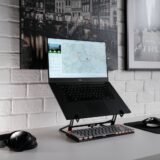
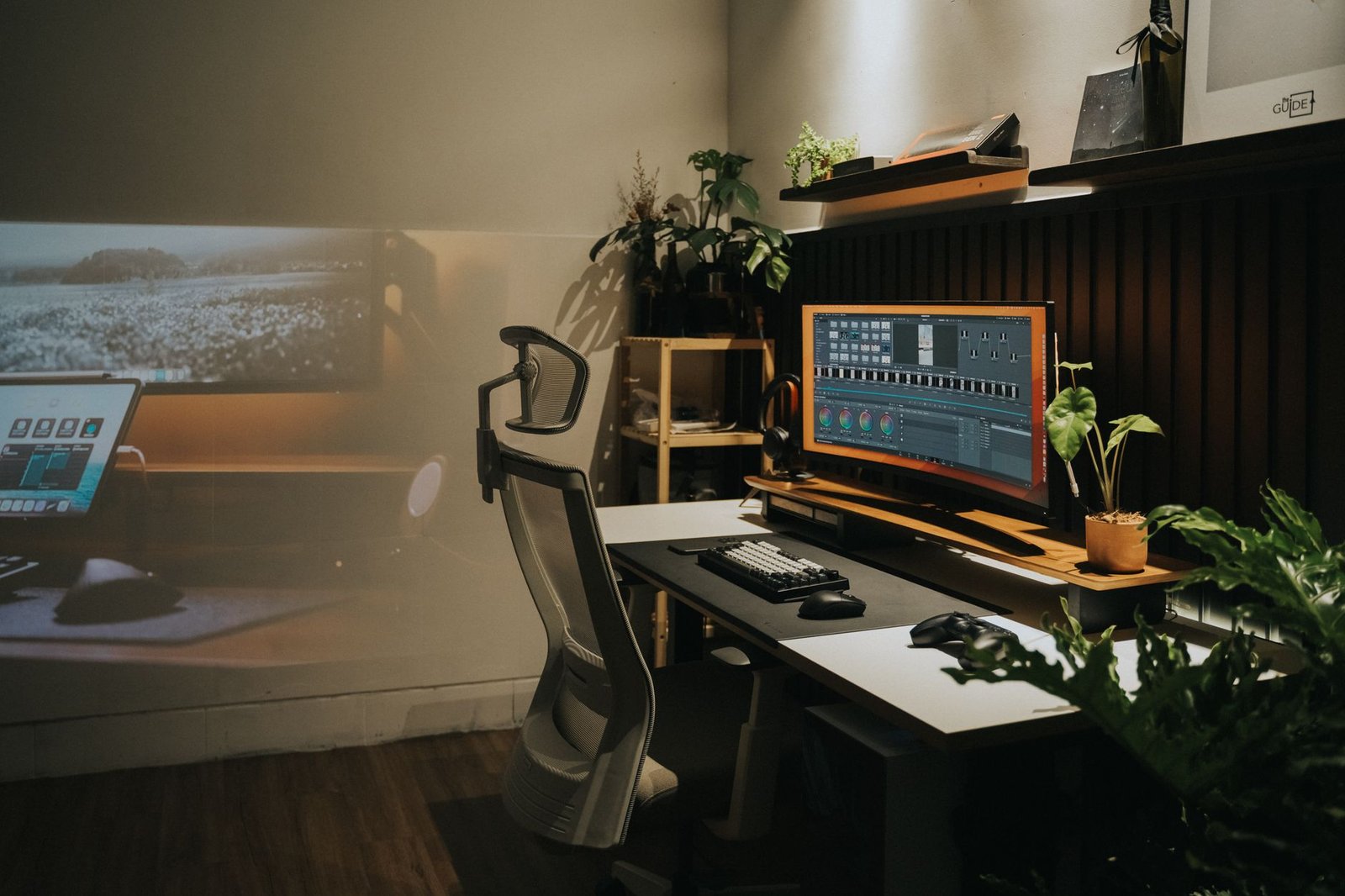
Introducing forward locomotion while attempting to execute mouse manipulations, write emails, and read technical documents places extraordinary demands on your central nervous system. If your workstation configuration is misaligned by even two inches, you risk developing strain throughout the upper trapezius, cervical spine, and lumbar tissues. A successful walking pad habit demands strict mechanical alignment before the drive motor ever spins.
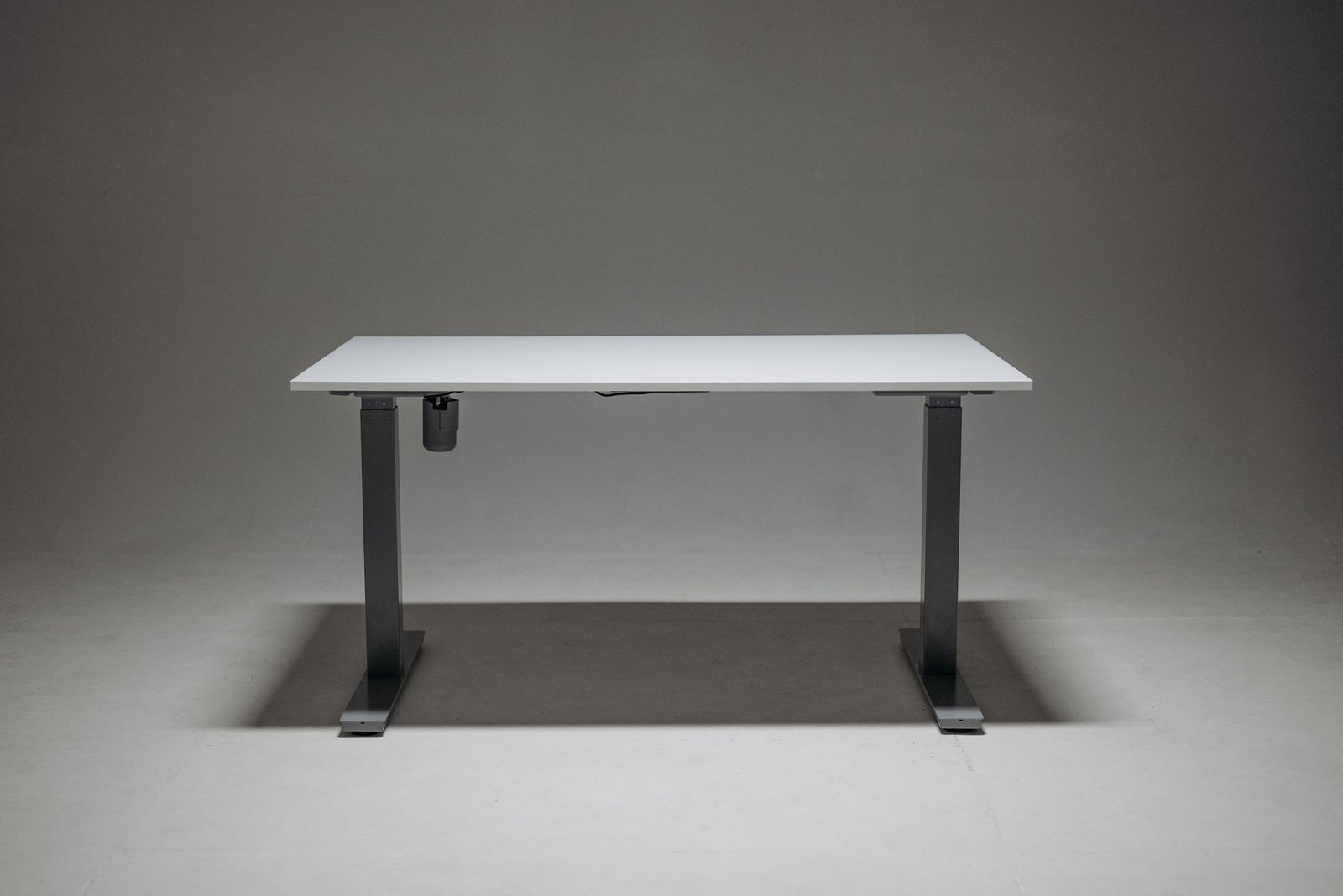
Set your standing desk surface approximately one to two inches higher when walking than you would while standing statically. As your body steps through each stride, the vertical oscillation of your center of mass requires a slightly higher deck to keep your forearms parallel and prevent wrist extension.
Desk Height, Elbow Angles, and Cervical Alignment
When you stand upon a walking pad, the belt and chassis elevate your base of support anywhere from three to five inches above the room floor. You must adjust your motorized standing desk upward to account for both this platform height and your standard footwear stack. Your elbows must rest at an angle between 90 and 100 degrees, allowing forearms to float parallel to the desk surface without resting your body weight upon your wrists. Restraining keyboard lean is essential; leaning on the desk shifts excessive shear force directly into the cervical vertebrae.
The top third of your computer display must align directly with horizontal eye gaze. If your monitor is pitched too low, walking will amplify downward neck flexion, rapidly overloading the levator scapulae and suboccipital musculature. Position your display at roughly an arm’s length distance, utilizing an adjustable monitor arm to fine-tune focal depth so your neck stays balanced above the thoracic spine.
Footwear Selection and Plantar Surface Kinetics
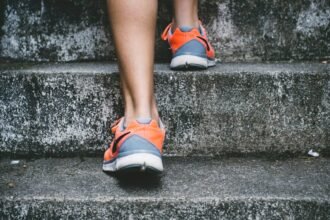
A frequent error made by absolute beginners is stepping onto an active tread in bare feet, residential slippers, or flat socks. The walking pad deck is constructed of high-density composite fiberboards resting directly over metal framing, offering minimal shock absorption compared to gym equipment. Walking without structured arch and heel support transfers ground reaction forces straight into the calcaneus and plantar fascia, generating acute plantar fasciitis or Achilles tendinopathy within weeks.
Equip yourself with a dedicated indoor pair of supportive athletic shoes featuring moderate forefoot cushioning, structured heel stabilization, and a non-marking rubber outsole. A firm midsole with a standard heel-to-toe drop (between 6mm and 10mm) preserves natural ankle dorsiflexion kinematics without overstretching the posterior calf complex during repeated sub-2.0 mph locomotion.
The 15-Minute Protocol: Step-by-Step Velocity Architecture
Entering an under-desk routine requires a gradual warm-up and cool-down curve. Do not instantly jump onto a high-speed belt while composing complex correspondence. Instead, use an exact three-phase velocity structure to transition your autonomic nervous system, raise core tissue temperature, and integrate fine motor finger movements with lower-extremity propulsion. Readers looking for a complementary routine tailored toward fat loss can also review our 15-minute walking pad workout for beginners: the easy low-impact fat loss routine.
Phase 1: Neuromuscular Calibration (Minutes 0:00 to 3:00)
Begin your session at exactly 1.0 to 1.2 mph. This initial velocity feels remarkably slow, which is intentional. During these three minutes, focus exclusively on striking with the center of the heel, rolling smoothly through the lateral midfoot, and gently pushing off through the hallux (great toe). Refrain from engaging in high-precision typing during this phase; instead, use this calibration window to scan calendar events, read internal communications, or listen to incoming audio calls while your balance centers adapt to the visual-vestibular mismatch of walking in place.
Phase 2: Steady-State Metabolic Activation (Minutes 3:00 to 12:00)
Gradually adjust the controller upward to your baseline operating zone: between 1.4 and 1.8 mph. For most individuals, 1.5 mph represents the ideal velocity where metabolic rate doubles compared to seated rest (moving from 1.3 METs to approximately 2.5 to 2.8 METs), while remaining slow enough that typing and mouse control remain stable. Maintain a steady respiratory pace through your nose, keep your shoulders dropped away from your ears, and avoid holding onto the desk surface. Let your upper limbs remain relaxed as you work through routine administrative duties.
Phase 3: Proprioceptive Deceleration (Minutes 12:00 to 15:00)
At minute twelve, ramp your speed back down to 1.0 mph. This terminal deceleration allows heart rate and systemic blood pressure to return smoothly to baseline while preventing lightheadedness or post-treadmill ataxia (the disorienting sensation that the floor is still sliding beneath your feet once you step off). Once the belt comes to a complete halt, remain standing on the stationary platform for sixty seconds before transitioning back to your ergonomic chair or stepping onto the solid floor.
<p style="margin:0; color:#7c2d12; line-height:1.7;