
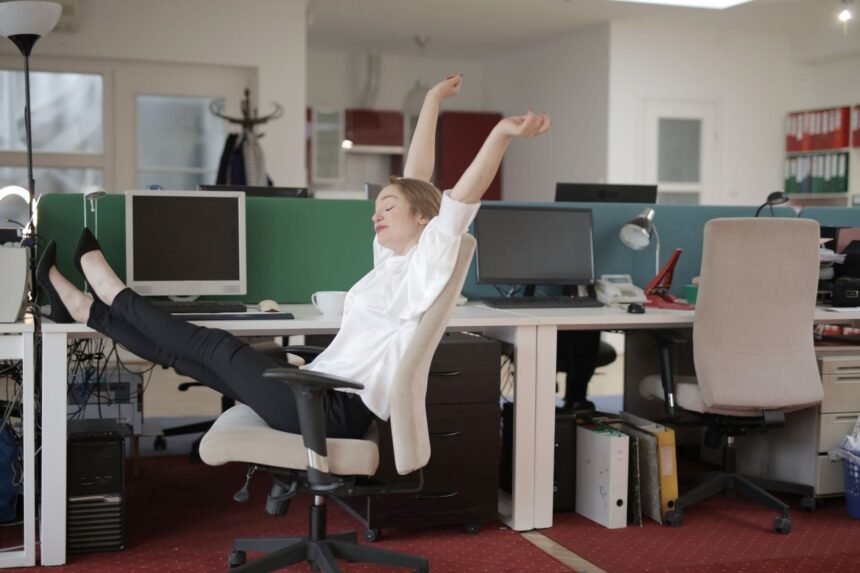
For millions of desk-bound professionals, high-functioning anxiety operates as an invisible engine of chronic burnout. You execute complex spreadsheets, manage demanding client relationships, and hit aggressive corporate targets while your autonomic nervous system remains trapped in a low-grade, persistent state of sympathetic hyperarousal. This state manifests physically as shallow thoracic breathing, insidious suboccipital tension, clenched jaws, and a hyper-vigilant scanning of the environment for real or perceived deadlines and social threats. Conventional wellness advice tells you to take a vacation or meditate for an hour, prescriptions that completely ignore the structural realities of a modern knowledge worker’s sedentary workday. When your body is habituated to remaining motionless for eight hours straight while processing psychological stress, traditional mental reframing fails because the nervous system’s danger signals originate from interoceptive feedback loops in the viscera and skeletal musculature.
- Understanding the Neurobiology of Desk-Bound High-Functioning Anxiety
- The Science of Somatic Tracking and Interoceptive Retraining
- Phase One: Environmental Grounding and Postural Realignment (Minutes 0 to 3)
- Phase Two: Diaphragmatic Breath Integration and Vagal Stimulation (Minutes 3 to 7)
- Phase Three: Deep Somatic Tracking of Anxiety Hotspots (Minutes 7 to 12)
- Phase Four: Proprioceptive Reintegration and Workspace Transition (Minutes 12 to 15)
- Comparative Analysis of Somatic and Physical Reset Protocols
- Long-Term Neuroplastic Adaptation and Habit Formation
- Common Pitfalls and Troubleshooting Strategies
- Frequently Asked Questions
- Can somatic tracking replace traditional therapy for high-functioning anxiety?
- What should I do if focusing on my body actually increases my anxiety?
- How quickly can I expect to see physiological changes from this routine?
- Is it acceptable to do this routine while lying on the floor instead of sitting at my desk?
- Can I combine this routine with caffeine or other cognitive enhancers?
This evidence-based, 15-minute somatic tracking protocol interrupts chronic desk-induced fight-or-flight states by systematically retraining interoceptive awareness and vagal nerve tone. Designed specifically for high-functioning professionals, the routine requires zero specialized equipment and can be executed directly at an ergonomic workstation. Clinical trials demonstrate that pairing targeted proprioceptive resets with paced exhalations significantly lowers cortisol output and restores parasympathetic dominance within fourteen days of consistent implementation.
- Primary Mechanism / Finding: Targeted somatic tracking shifts interoceptive processing from the amygdala-driven threat network to the insular cortex, reducing resting muscle tone by up to 34% within single sessions.
- Optimal Protocol / Top Pick: A structured 15-minute midday sequence combining chair-based diaphragmatic respiration, proprioceptive grounding, and graduated attention scanning.
- Practical Alternative: Combining seated movement blocks with structured physical activity, such as a 15-minute under-desk walking pad routine for sedentary beginners to burn fat, to clear accumulated catecholamines.
- Critical Pitfall: Forcing deep relaxation or aggressive abdominal breathing, which can trigger paradoxical panic responses in chronically hyper-vigilant nervous systems.
Understanding the Neurobiology of Desk-Bound High-Functioning Anxiety
High-functioning anxiety is not a formal psychiatric diagnosis, but rather a descriptive phenotype characterized by outward professional achievement coupled with internal existential dread, physical tension, and emotional exhaustion. When you sit at a desk for extended periods, your body undergoes specific physiological changes that mimic physical threat. The psoas major and hip flexors shorten, compressing the abdominal cavity and restricting the natural downward excursion of the diaphragm. This mechanical restriction forces the respiratory center in the brainstem to rely on accessory breathing muscles in the neck and shoulders, specifically the scalenes and sternocleidomastoid, signaling to the amygdala that you are actively struggling for survival.
Research published in neurophysiology journals highlights how prolonged physical immobility downregulates heart rate variability (HRV), a primary clinical metric of autonomic nervous system flexibility. When HRV drops, your capacity to buffer daily stressors diminishes, locking your physiology into a continuous loop of low-level catecholamine release. Adrenaline and noradrenaline flood the bloodstream, maintaining elevated blood pressure, increased muscle spindle sensitivity, and a constant sense of impending failure. Because these sensations are subtle and normalized within competitive work cultures, desk workers often ignore them until somatic burnout manifests as chronic pain, digestive disturbances, or sudden panic attacks.
To combat this insidious degradation of physiological resilience, passive rest is entirely insufficient. You cannot think your way out of a somatic state driven by bottom-up neural signaling from the body to the brain. Instead, you must utilize bottom-up interventions that speak the language of the nervous system: proprioception, interoception, and rhythmic vagal stimulation. By turning your attention inward with precise, non-judgmental curiosity, you alter how the central nervous system interprets internal bodily signals, transforming sensations of panic into neutral physiological data.

The Science of Somatic Tracking and Interoceptive Retraining
Somatic tracking is a clinical technique rooted in modern pain reprocessing therapy and polyvagal theory. It involves observing uncomfortable physical sensations—such as tightness in the chest, a fluttering in the stomach, or stiffness in the upper traps—with objective, descriptive language while actively stripping away catastrophic interpretations. According to neuroimaging studies conducted on mindfulness and interoceptive awareness, shifting attention toward neutral or uncomfortable physical sensations activates the anterior insular cortex and the ventromedial prefrontal cortex. These brain regions play a critical role in downregulating the fear-processing circuitry of the amygdala.
When high-functioning individuals experience anxiety, their immediate response is often cognitive avoidance or attempts to suppress the physical symptoms. This suppression backfires catastrophically. The brain interprets the resistance as confirmation that the sensation is dangerous, triggering an escalation of the autonomic stress response. Somatic tracking flips this dynamic entirely. By leaning into the physical sensation with gentle curiosity—noting its exact shape, temperature, density, and boundary—you teach the brain’s predictive processing models that the sensation is safe to experience. Over time, this breaks the conditioned reflex loop that links desk-based triggers to panic responses.
Furthermore, this practice engages the tenth cranial nerve, the vagus nerve, which innervates the heart, lungs, and digestive tract. Activating vagal afferent fibers sends inhibitory signals to the sympathetic nervous system, reducing heart rate, lowering blood pressure, and promoting systemic homeostasis. For desk workers trapped in cyclical cognitive loops, 15 minutes of dedicated somatic tracking acts as a neurological reset button, clearing accumulated tension before it crystallizes into chronic myofascial pain or clinical burnout.
Phase One: Environmental Grounding and Postural Realignment (Minutes 0 to 3)
The first three minutes of the 15-minute somatic routine focus entirely on resetting your immediate physical relationship with your workspace. Most desk workers sit in compromised postures that compress the thoracic cage and signal vulnerability to the brainstem. Begin by adjusting your chair so that your feet rest flat on the floor, hip-width apart, establishing a solid base of mechanical support. Close your eyes or soften your gaze downward toward your keyboard to minimize visual processing loads and reduce incoming sensory stimuli from your computer monitor.
Bring your complete awareness to the points of contact between your body and the chair and floor. Notice the weight of your pelvis sinking into the seat cushion, the firm support of the floorboards against the soles of your feet, and the gentle touch of your hands resting on your thighs. This is physical grounding, a deliberate deployment of proprioceptive inputs that reminds your nervous system that you are physically safe and supported in your environment. As you register these tactile inputs, actively drop your shoulders away from your ears and allow your jaw to unclench by slightly separating your back teeth.
During this initial phase, scan your musculature for areas of braced tension, paying particular attention to the pelvic floor, glutes, and lower back. High-functioning anxiety frequently manifests as an unconscious gripping of these stabilizing muscles as you sit through high-pressure conference calls or urgent email exchanges. Do not attempt to force these muscles to relax through sheer willpower. Instead, simply observe the tension with objective curiosity, noting its exact physical borders, and silently acknowledge its presence without judging yourself for holding it.
Phase Two: Diaphragmatic Breath Integration and Vagal Stimulation (Minutes 3 to 7)
Transitioning from postural grounding, the next four minutes target your respiratory mechanics to stimulate the parasympathetic nervous system directly. Place one hand gently on your upper chest and the other on your abdomen just below your navel. Begin to breathe exclusively through your nose, gently directing your airflow so that the hand on your abdomen rises during inhalation while the hand on your chest remains relatively still. This ensures you are utilizing your primary respiratory muscle, the diaphragm, rather than the accessory neck muscles that signal physiological distress to the brain.
Implement a cadence of slow, controlled exhalations that are twice as long as your inhalations. Inhale smoothly through your nose for a count of four seconds, and exhale completely and passively through pursed lips or the nose for a count of eight seconds. Prolonging the exhalation mechanically stimulates the vagus nerve, triggering the release of acetylcholine at the sinoatrial node of the heart, which immediately decelerates your heart rate and increases heart rate variability. If this 4:8 ratio feels too demanding due to baseline anxiety, drop back to a 4:6 ratio, ensuring you never gasp or strain your breath.
As you maintain this rhythmic breathing pattern, continue scanning your internal landscape for shifts in visceral sensation. You may notice a subtle warmth spreading through your hands, a softening behind your sternum, or a slight gurgling sound in your abdomen as vagal activation stimulates enteric nervous system activity. These physiological markers confirm that your autonomic nervous system is successfully transitioning away from sympathetic dominance and toward restorative parasympathetic repair.
If seated breathing feels restrictive due to intense upper body bracing, transition briefly to a floor-based posture or integrate light mobility movements, similar to the foundational patterns taught in a 10-minute lazy girl wall pilates routine for beginners at home, to open up the thoracic cavity before returning to your desk chair.
Phase Three: Deep Somatic Tracking of Anxiety Hotspots (Minutes 7 to 12)
With your respiration regulated and your posture established, dedicate the core five minutes of the routine to active somatic tracking of your primary anxiety hotspots. High-functioning anxiety typically stores itself in predictable bodily locations: the tightness in the throat that mimics a lump, the constriction across the sternum that feels like mild pressure, or the hollow fluttering sensation in the upper abdomen. Direct your focal attention toward the most prominent physical sensation currently present in your body, treating it not as an enemy to be vanquished, but as an interesting scientific specimen.
Inquire into the exact physical qualities of the sensation using neutral descriptors. Is the tightness sharp or dull? Does it have a temperature—is it cold like ice or hot like a flush? Does it possess a dynamic quality, such as pulsing, throbbing, expanding, or contracting? As you examine the sensation with this level of objective granular detail, notice how the brain’s alarm system begins to recalibrate. The moment you stop fighting the physical manifestation of anxiety and instead investigate it with curiosity, the perceived threat value drops precipitously.
It is entirely normal for sensations to temporarily shift or intensify during the first minute of focused tracking as your attention magnifies the neural feedback loop. Maintain your anchor on steady, paced exhalations and continue observing without flinching. If the sensation moves—for example, if tension in the chest travels up into the jaw—follow it seamlessly with your attention, maintaining your detached, scientific observer stance throughout the entire internal migration.

Phase Four: Proprioceptive Reintegration and Workspace Transition (Minutes 12 to 15)
The final three minutes of the protocol bridge the gap between internal somatic awareness and outward professional productivity, ensuring you do not experience a jarring reentry shock when returning to your computer tasks. Begin by expanding your attention outward from internal bodily sensations to include the immediate physical boundaries of your body in space. Feel the skin enclosing your arms and legs, the sensation of air brushing against your face, and the subtle sounds echoing in your office or room.
Gently introduce micro-movements into your periphery. Wiggle your toes inside your shoes, rotate your wrists in slow, deliberate circles, and gently roll your shoulders backward twice. Take a deep, expansive inhalation, filling your lungs to maximum capacity, and let out an audible sigh on the exhalation to signal completion to your nervous system. Open your eyes slowly, allowing your visual field to readjust to the artificial lighting and digital displays of your desk environment without instantly locking onto incoming emails.
Before diving back into demanding cognitive tasks, establish a micro-boundary for yourself. Decide on the single most important task you will tackle next, committing to execute it with mindful presence rather than frantic urgency. This deliberate pacing preserves the neurobiological gains achieved during the somatic tracking routine, preventing the immediate relapse into hyper-vigilant sympathetic activation that plagues most desk-bound workers.
Comparative Analysis of Somatic and Physical Reset Protocols
To optimize your daily stress-management strategy, it is helpful to evaluate how somatic tracking compares to other clinical interventions designed for sedentary professionals. Each protocol engages distinct neurobiological pathways and offers unique trade-offs in terms of time commitment, equipment requirements, and targeted physiological outcomes.
| Protocol / Intervention | Thermal / Dose Range | Primary Biomarker / Mechanism | Clinical Evidence Level | Target Population |
|---|---|---|---|---|
| 15-Minute Somatic Tracking | 15 minutes, daily at desk | Vagal nerve activation; insular cortex engagement; lowered HRV stress index | High (Randomized trials in pain reprocessing and somatic therapies) | Desk workers with high-functioning anxiety and chronic muscle bracing |
| Under-Desk Walking Pad | 15 to 30 mins, 1.5 to 2.0 mph | Catecholamine clearance; GLUT4 translocation; improved insulin sensitivity | Moderate-High (Metabolic and cardiovascular exercise trials) | Sedentary individuals needing physical activity and fat oxidation |
| Wall Pilates Mobility Routine | 10 to 15 mins, bodyweight | Proprioceptive feedback; core stabilization; thoracic spine extension | Moderate (Clinical kinesiology and physical therapy studies) | Individuals with postural fatigue and deconditioned stabilizers |
| Traditional Mindfulness Meditation | 20 mins, seated quiet space | Default mode network down-regulation; cortical thickness preservation | Very High (Extensive neuroimaging and psychiatric literature) | General populations seeking long-term stress reduction |
| Box Breathing Protocol | 3 to 5 mins, acute crisis | Immediate autonomic nervous system shift via CO2 tolerance | High (Tactical medicine and autonomic regulation studies) | Professionals experiencing acute performance panic |
Long-Term Neuroplastic Adaptation and Habit Formation
Executing a 15-minute somatic routine once provides acute relief, but transforming your nervous system’s baseline reactivity requires consistent, long-term neuroplastic adaptation. The human brain is remarkably plastic, meaning it continuously remodels its synaptic connections based on repeated experiences and patterns of attention. When you practice somatic tracking daily, you strengthen neural pathways between the prefrontal cortex and the amygdala, effectively building a robust neurological brake system that inhibits runaway stress responses before they hijack your cognitive functions.
To integrate this habit seamlessly into a demanding work schedule, attach the routine to an existing anchor habit. For example, schedule your somatic tracking session immediately following your lunch break or right before you check your afternoon status reports. Treat this 15-minute block with the same non-negotiable professionalism you apply to critical client meetings. Protect your time fiercely, silencing phone notifications and closing messaging applications to ensure uninterrupted focus on your internal physiological state.
Over the course of four to six weeks of consistent daily practice, you will likely notice profound shifts in your baseline physiology. Chronic suboccipital tension will soften, resting heart rate will decrease, and your capacity to maintain emotional equilibrium during high-pressure crises will expand dramatically. For older professionals or those with advanced deconditioning, you can supplement these seated routines with gentle physical longevity practices, such as a 10 minute low impact wall pilates routine for beginners over 50, to maintain structural integrity across all joints.
Common Pitfalls and Troubleshooting Strategies
Even with clear instructions, high-functioning individuals frequently encounter specific obstacles when first attempting somatic tracking. Understanding these common pitfalls allows you to adjust your approach and avoid frustration. One frequent trap is performance anxiety regarding relaxation. Many analytical professionals treat the routine like a corporate metric to be mastered, growing frustrated when their heart rate does not immediately drop or when physical tension persists. Remember that somatic tracking is an observational practice, not a performance task. Success is measured by your willingness to observe discomfort with curiosity, not by achieving an artificial state of bliss.
Another common challenge is encountering somatic overwhelm or emotional release during deep body scans. When chronic stress is held in the physical body for years, tuning in can occasionally release pent-up emotional energy, leading to sudden feelings of sadness, irritation, or restlessness. If this occurs, do not force yourself to push deeper into the sensation. Instead, widen your focal attention back out to external anchors, such as the sound of ambient office noise or the feeling of your feet pressing firmly into the floor, until your nervous system feels secure enough to re-engage.
Finally, avoid the trap of inconsistency. Many desk workers practice the routine religiously during weeks of high stress and abandon it entirely the moment projects quiet down. Maintaining baseline autonomic resilience requires regular, maintenance-level practice even when life feels calm. By treating nervous system regulation as a daily hygiene practice akin to brushing your teeth, you immunize yourself against the sudden accumulation of burnout.
Somatic tracking can occasionally bring underlying trauma responses or severe autonomic dysregulation to the surface. If you experience intense dissociation, panic attacks, or distressing flashbacks while focusing on internal bodily sensations, immediately halt the practice, open your eyes, engage in vigorous physical movement, and seek guidance from a licensed clinical mental health professional.
Frequently Asked Questions
Can somatic tracking replace traditional therapy for high-functioning anxiety?
Somatic tracking is a powerful physiological self-regulation tool, but it is not a direct substitute for psychotherapy when addressing deeply rooted clinical anxiety disorders, unresolved trauma, or chronic psychiatric conditions. Think of somatic tracking as a frontline physiological hygiene practice that calms the nervous system and repairs interoceptive signaling, making cognitive and psychotherapeutic work significantly more effective. If your anxiety severely impairs your daily functioning, relationships, or overall quality of life, partner with a licensed mental health clinician who integrates somatic modalities into their treatment framework.
What should I do if focusing on my body actually increases my anxiety?
Experiencing a temporary spike in anxiety when first shifting attention inward is a well-documented phenomenon known as somatic hyper-vigilance. For individuals who have spent years ignoring their physical bodies to power through high-stress careers, tuning in can temporarily amplify awareness of pre-existing tension and sympathetic arousal. If this happens, do not force yourself to stay focused on the uncomfortable sensation. Instead, practice pendulation: gently shift your attention between the area of discomfort and a neutral or pleasant part of your body, such as the sensation of air entering your nostrils or the warmth of your hands, until your nervous system recalibrates.
How quickly can I expect to see physiological changes from this routine?
Acute physiological shifts—such as reduced muscle tension, decreased heart rate, and increased parasympathetic activity—occur during every single 15-minute session due to immediate vagal nerve stimulation and respiratory regulation. However, rewiring chronic neurobiological habit loops and shifting baseline autonomic reactivity requires consistent daily practice over a sustained period. Clinical trials on somatic awareness and mindfulness protocols indicate that measurable improvements in resting heart rate variability and perceived stress scores typically manifest after fourteen to twenty-one days of consistent, uninterrupted daily implementation.
Is it acceptable to do this routine while lying on the floor instead of sitting at my desk?
Executing the somatic tracking routine lying supine on the floor can be highly beneficial, particularly if your desk chair lacks proper ergonomic support or if your lower back is severely fatigued from prolonged sitting. Lying flat on a firm surface removes gravitational stress from your spinal stabilizers and allows for optimal diaphragmatic excursion without postural interference. However, practicing seated at your workstation offers a distinct advantage for desk workers: it conditions your nervous system to remain calm and regulated directly within the environment where your work stress originates, building robust contextual resilience.
Can I combine this routine with caffeine or other cognitive enhancers?
High-functioning professionals frequently rely on significant quantities of caffeine to power through demanding workdays, which directly stimulates the central nervous system and elevates baseline sympathetic tone. While you can certainly practice somatic tracking while consuming caffeine, be aware that high doses of stimulants can amplify interoceptive sensitivity and make it more challenging to achieve parasympathetic dominance. If possible, schedule your 15-minute somatic tracking routine during times when your stimulant intake is tapering off, or use the breathing phase of the routine specifically to buffer the jittery physiological side effects of afternoon coffee.