
Sedentary office environments exact a heavy physiological toll on human metabolic health, blunting postprandial fat oxidation and suppressing lipoprotein lipase activity across postural skeletal muscles. When you sit continuously for eight or more hours, cellular glucose uptake declines precipitously, inflammatory cytokines accumulate in peripheral tissues, and insulin sensitivity deteriorates within days. Integrating low-intensity physical activity throughout the workday breaks this cycle of metabolic stasis without requiring sweat-inducing gym sessions or breaking your professional focus. The 15-minute under desk walking pad routine for beginners serves as a targeted intervention to counteract the hazards of prolonged sitting, utilizing micro-bouts of movement to stimulate glucose disposal and preserve joint integrity. By establishing a structured, low-speed walking protocol beneath your workstation, you can activate skeletal muscle pumps, enhance venous return, and steadily accumulate baseline caloric expenditure without disrupting cognitive productivity or professional workflows.
- Understanding the Metabolic Cost of Prolonged Sitting
- Comparative Analysis of Desk-Based Movement Interventions
- Anatomy of the 15-Minute Beginner Walking Pad Protocol
- Optimizing Ergonomics for Desk Walking Success
- Cellular Mechanisms of Postprandial Glucose Control
- Progressive Overload and 4-Week Beginner Adaptation Plan
- Managing Cognitive Load and Multitasking Efficiency
- Preventing Overuse Injuries and Joint Strain
- Hydration, Nutrition, and Metabolic Synergy
- Selecting and Maintaining Your Under Desk Walking Pad
- Long-Term Health Outcomes and Habit Sustainability
- Frequently Asked Questions
- Can I wear my normal office shoes while using an under desk walking pad?
- Will walking while working ruin my typing accuracy and productivity?
- How many calories does a 15-minute walking pad session actually burn?
- What is the ideal speed for a beginner under desk walking routine?
- How do I prevent lower back and calf tightness when starting out?
A 15-minute under desk walking pad session executed at 1.2 to 1.8 miles per hour immediately following lunch stabilizes postprandial glucose excursions by up to thirty percent. This accessible protocol requires zero prior fitness conditioning, fits easily beneath standard adjustable standing desks, and provides substantial metabolic protection for sedentary professionals.
- Primary Mechanism / Finding: Low-intensity continuous movement upregulates GLUT4 translocation independently of insulin, enhancing muscular glucose clearance.
- Optimal Protocol / Top Pick: 15 minutes at 1.5 mph immediately post-meal, paired with an ergonomic standing desk setup.
- Practical Alternative: Three distinct 5-minute micro-walks spaced evenly across the morning and afternoon work blocks.
- Critical Pitfall: Setting the speed too high (>2.5 mph), which impairs typing accuracy, compromises posture, and induces premature lower back fatigue.
Understanding the Metabolic Cost of Prolonged Sitting
Human physiology evolved under conditions of frequent physical displacement, requiring our ancestors to hunt, gather, and migrate across vast landscapes daily. Modern desk-bound occupations force the body into static postures that shut down muscular contractions in the soleus, gastrocnemius, and quadriceps groups. When these postural muscles remain dormant for hours, localized metabolic machinery essentially goes to sleep, resulting in a dramatic drop in enzyme activity. Specifically, the production of lipoprotein lipase—an essential vascular enzyme responsible for clearing triglycerides from the bloodstream—plummets by up to ninety percent during prolonged immobilization.
Landmark metabolic studies published in clinical journals demonstrate that breaking sitting time with short bouts of low-intensity ambulation restores these crucial enzymatic functions and normalizes circulating lipid profiles. Unlike high-intensity exercise, which targets cardiovascular conditioning and maximal oxygen uptake, low-intensity walking pad protocols focus on non-exercise activity thermogenesis (NEAT). This steady stream of subtle physical movement prevents the accumulation of visceral fat and protects vascular endothelium from the shear stress abnormalities caused by uninterrupted sitting. Understanding this biological baseline allows you to appreciate why even a modest 15-minute walking session yields disproportionate metabolic rewards.
Furthermore, skeletal muscle serves as the primary endocrine organ responsible for glucose disposal following carbohydrate ingestion. When you contract your leg muscles at a slow, controlled pace, mechanical stimulation triggers the translocation of glucose transporter type 4 (GLUT4) vesicles to the cell membrane without relying heavily on insulin signaling. This insulin-independent pathway is particularly valuable for individuals struggling with prediabetes, insulin resistance, or metabolic syndrome. Incorporating a short walking pad routine into your daily work schedule creates a consistent metabolic sink that steadily clears circulating glucose from the bloodstream.
Comparative Analysis of Desk-Based Movement Interventions
To evaluate where the 15-minute walking pad routine fits into a comprehensive health and longevity strategy, we must examine how it compares against other common sedentary countermeasures. Each physical intervention offers unique biomechanical advantages, equipment requirements, and metabolic impacts that suit different individual capacities.
| Protocol / Intervention | Thermal / Dose Range | Primary Biomarker / Mechanism | Clinical Evidence Level | Target Population |
|---|---|---|---|---|
| 15-Min Walking Pad Routine | 1.2 – 1.8 mph (15 mins) | Postprandial glucose AUC reduction | High (Randomized Trials) | Sedentary desk workers |
| Static Standing Desk Only | 0 mph (Continuous) | Minor NEAT increase vs sitting | Moderate (Observational) | Office staff with lower back pain |
| 15-Min Wall Pilates Session | Isometric bodyweight loads | Core stabilization & sarcopenia prevention | Moderate (Clinical Pilots) | Adults over 50 seeking fat loss |
| Brisk Outdoor Walk | 3.0 – 4.0 mph (30 mins) | Cardiorespiratory fitness (VO2 max) | Very High (Epidemiological) | Remote workers with schedule flexibility |
| High-Intensity Interval Circuit | Max effort (10 mins) | Epoc & mitochondrial biogenesis | High (Sports Science) | Experienced fitness enthusiasts |
As illustrated in the comparative data above, each movement modality serves a specific physiological niche. While outdoor walks and high-intensity circuits provide superior cardiovascular conditioning, they require leaving the workspace or changing clothes. For individuals exploring low-impact routines, pairing your daily regimen with a structured 15-minute walking pad workout for beginners: the easy low-impact fat loss routine maximizes consistency. Similarly, blending desk walking with floor-based movements like a 15-minute wall pilates routine for beginners over 50 to burn belly fat ensures comprehensive muscle recruitment across the entire week without joint strain.
Anatomy of the 15-Minute Beginner Walking Pad Protocol
Designing an effective under desk walking protocol requires careful calibration of speed, duration, and posture to ensure seamless integration with office tasks. Beginners often make the mistake of treating a walking pad like a traditional gym treadmill, setting speeds that induce heavy breathing, sweating, and loss of typing accuracy. The ideal beginner speed ranges strictly between 1.2 and 1.8 miles per hour, allowing your cadence to remain natural while keeping your upper body sufficiently stable for keyboard and mouse work. This velocity burns roughly seventy to ninety calories per fifteen-minute session depending on body weight, but more importantly, it engages continuous muscular activity without triggering central nervous system fatigue.
The pacing structure should follow a deliberate three-part progression designed to ease your cardiovascular and musculoskeletal systems into motion. Spend the initial three minutes at a gentle 1.2 mph warm-up pace to establish your balance and coordinate your stride length with the moving belt. Advance to your target working speed of 1.5 to 1.8 mph for the central nine minutes, maintaining an upright posture with your shoulders retracted and your gaze level with your monitor. Conclude the final three minutes by dropping the speed back down to 1.2 mph to allow your heart rate to settle smoothly before stepping off the deck. This graduated approach prevents sudden spikes in blood pressure and minimizes the risk of tripping as you transition back to a stationary standing or sitting position.
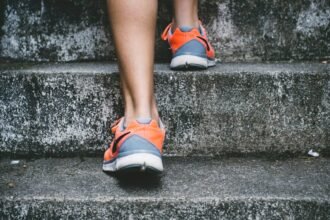
To maximize the orthopedic safety of this protocol, pay close attention to your footwear and foot strike mechanics. Never walk barefoot or in thin office socks on a motorized treadmill belt, as the continuous friction can cause skin irritation, plantar discomfort, and improper weight distribution. Wear supportive athletic shoes with adequate cushioning in the heel and midfoot to absorb the repetitive impact forces transmitted through your joints. Keeping your knees slightly soft—avoiding rigid, locked-out leg extensions—protects your patellar tendons and lumbar vertebrae from unnecessary compressive stress.
Optimizing Ergonomics for Desk Walking Success
Proper workspace ergonomics determine whether your under desk walking routine becomes a sustainable daily habit or an uncomfortable source of physical strain. When you elevate your feet by four to six inches onto a motorized walking deck, your standing desk must be raised correspondingly higher to maintain neutral wrist and elbow angles. If your desk remains at its standard sitting height while you walk, you will inevitably hunch your shoulders forward, compressing your thoracic spine and causing tension headaches within minutes. Adjust your standing desk height so your elbows bend at a comfortable ninety-to-one-hundred-degree angle when your hands rest flat on the keyboard.
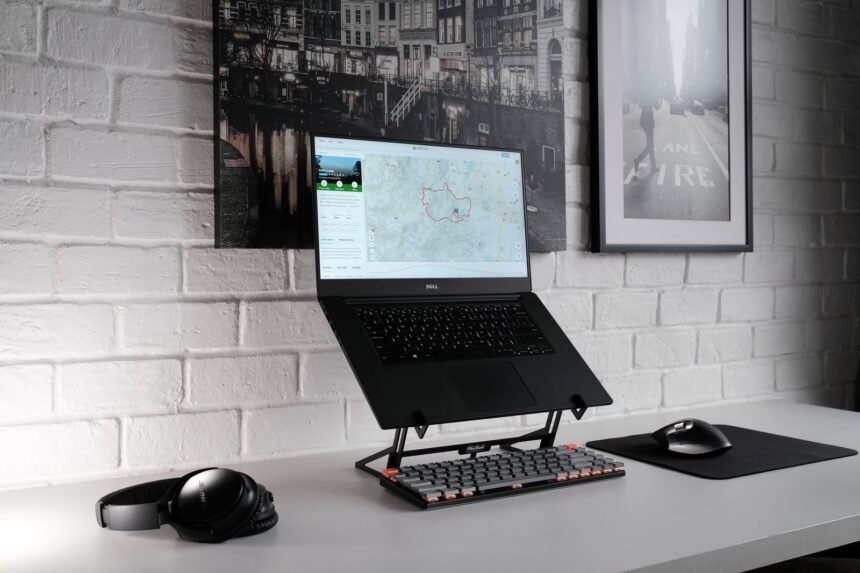
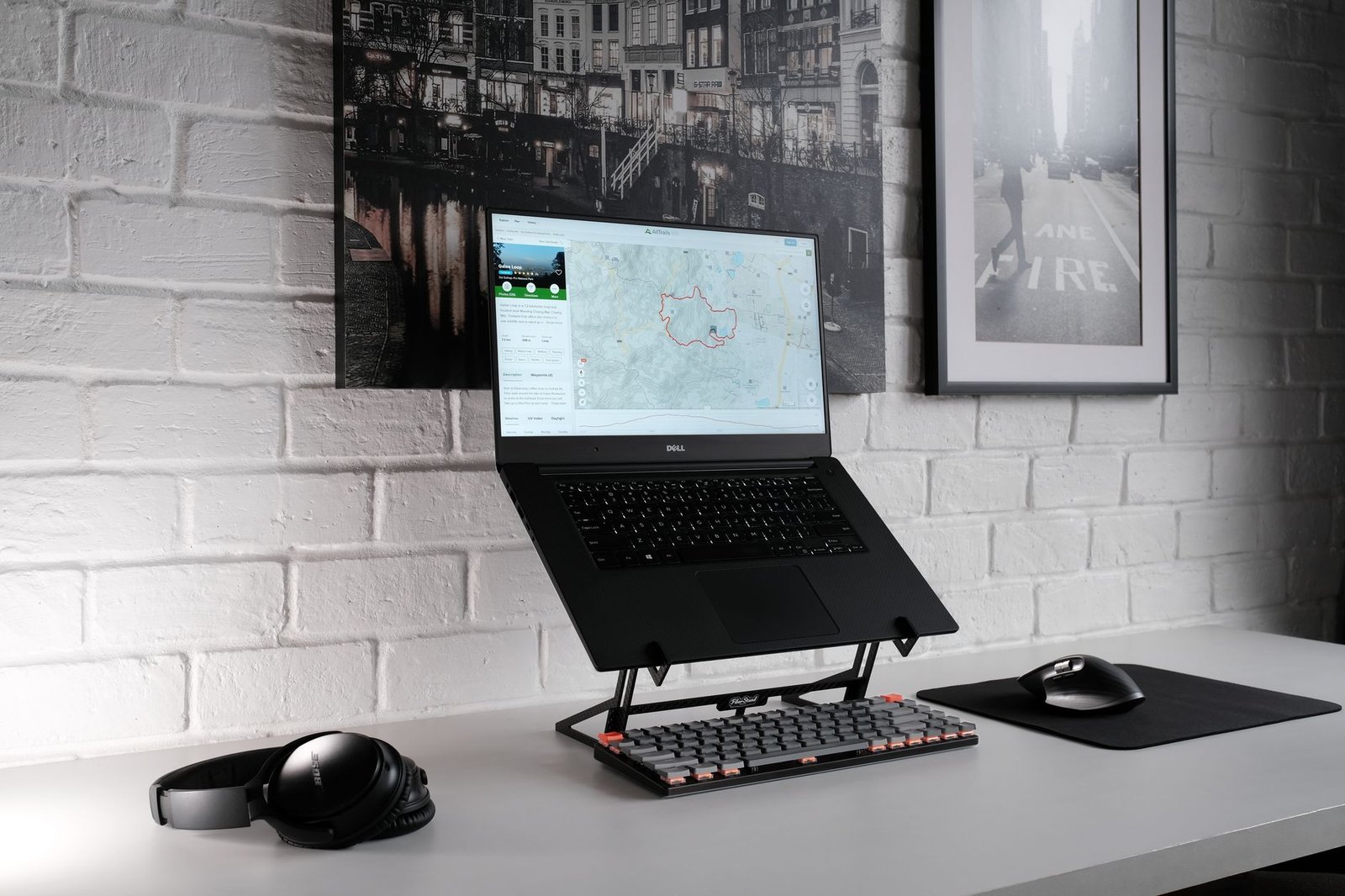
Monitor placement is another critical variable that dictates your cervical spine alignment during a walking session. Staring downward at a low laptop screen while walking forces your neck into chronic forward flexion, placing excessive load on the cervical extensors and altering your natural gait pattern. Elevate your monitor or laptop using a sturdy riser so the top third of the screen sits directly at your eye level. This simple adjustment keeps your head balanced over your shoulders, preserving normal spinal posture and preventing the awkward slouching that plagues many desk-bound workers.
Cable management and safety tethers demand careful attention before you power on your walking pad for the first time. Ensure that your power cords, mouse wires, and headphone cables are securely routed away from the moving belt and the rear roller mechanism to prevent tangling or sudden tripping hazards. Most quality walking pads feature an emergency magnetic safety key that clips to your clothing; always attach this tether securely so the machine immediately stops if you drift backward or lose your balance. Taking these preliminary safety measures establishes a secure operating environment where you can focus entirely on your professional tasks without subconscious anxiety.
Cellular Mechanisms of Postprandial Glucose Control
The primary physiological justification for executing a 15-minute walking pad session immediately after a meal lies in glycemic control and insulin dynamics. Following carbohydrate consumption, blood glucose levels rise as digestive enzymes break down starches and sugars into monosaccharides absorbed across the intestinal wall. In healthy individuals, pancreatic beta cells secrete insulin to signal peripheral tissues—primarily skeletal muscle—to absorb circulating glucose from the bloodstream. However, in sedentary individuals, the insulin signaling cascade is frequently sluggish, leading to prolonged postprandial hyperglycemia and elevated circulating insulin levels.
Engaging in low-intensity muscular contractions bypasses sluggish insulin signaling by directly activating AMP-activated protein kinase (AMPK), a master cellular energy sensor. When AMPK is phosphorylated by muscular work, it triggers the mobilization and insertion of GLUT4 glucose transporters into the sarcolemma independently of insulin receptor activation. Research published in metabolic journals confirms that a brief 15-minute walk right after eating blunts the glycemic peak by increasing skeletal muscle glucose uptake up to fivefold over resting levels. This acute blunting of postprandial blood sugar spikes reduces oxidative stress on vascular endothelium and prevents the reactive hypoglycemia that often triggers afternoon fatigue.
Beyond immediate glucose clearance, consistent micro-bouts of walking improve overall insulin sensitivity over weeks and months of adherence. By regularly stimulating muscle contraction pathways, your cells upregulate their baseline capacity to handle dietary carbohydrates, reducing the long-term risk of pancreatic beta cell exhaustion. This cumulative adaptation transforms your daily work routine into a powerful metabolic defense mechanism, protecting your cardiovascular system from the cumulative damage of post-meal glucose surges.
Progressive Overload and 4-Week Beginner Adaptation Plan
Transitioning from a completely sedentary lifestyle to regular under desk walking requires a structured, progressive approach to avoid overloading the stabilizing muscles of the lower back and calves. Attempting to walk for forty-five minutes straight on your very first day will likely result in delayed onset muscle soreness (DOMS) in your calves and shins, discouraging further participation. Instead, use a structured four-week progression model designed to gradually condition your connective tissues, improve cardiovascular endurance, and refine your multitasking abilities.
During your first two weeks, restrict your walking sessions exclusively to reading emails, reviewing documents, or listening to conference calls. Save complex spreadsheet modeling and high-precision design work for stationary sitting until your motor control and balance on the walking pad become second nature.
During Week 1, your objective is neurological adaptation and habit formation rather than caloric burn or fitness gains. Execute a single 15-minute session per day at a conservative speed of 1.2 mph, preferably scheduled thirty minutes after your midday meal. Focus entirely on maintaining an upright posture, breathing through your nose, and keeping your stride smooth and rhythmic without gripping the desk for support. If you experience mild calf tightness, reduce the session duration to 10 minutes for the first few days before working back up to the full 15-minute target.
During Week 2, increase your working speed slightly to 1.4 or 1.5 mph while maintaining the daily 15-minute duration. You can now begin introducing light typing and administrative tasks during the middle phase of the walk, reserving the warm-up and cool-down minutes for passive reading. By Week 3, split your volume into two separate 15-minute bouts if your schedule permits—one in the morning and one after lunch—bringing your daily total to 30 minutes of low-intensity movement. For individuals seeking a more structured daily progression, following a comprehensive regimen like the 20-minute under-desk walking pad routine for complete beginners (fat loss guide) provides an ideal intermediate stepping stone.
Managing Cognitive Load and Multitasking Efficiency
A common concern among professionals considering an under desk walking pad is whether physical movement will impair cognitive performance, writing speed, or error rates. Human cognitive architecture manages physical tasks and mental processing through shared central executive resources, raising legitimate questions about multitasking feasibility. However, research into embodied cognition demonstrates that low-intensity, automated motor tasks—such as slow walking at 1.5 mph—do not degrade executive function. In fact, mild cardiovascular stimulation increases cerebral blood flow, oxygenation, and neurotransmitter release, frequently enhancing alertness and creative problem-solving.
To maintain high professional productivity while walking, categorize your daily tasks into movement-compatible and stationary-required tiers. Administrative chores, email triage, audio meeting participation, document review, and brainstorming sessions pair exceptionally well with a gentle walking pad routine. Conversely, complex financial modeling, detailed coding, graphic design work, and high-stakes client negotiations require stationary focus where physical balance and fine motor stability are not taxed. Structuring your workday to align specific cognitive tasks with your movement schedule ensures that your professional output remains pristine while your physical health improves.
Typing accuracy while walking requires a brief learning curve as your nervous system adapts to subtle vertical oscillations of the torso. Practice keeping your wrists floating lightly above your keyboard rather than resting your forearms heavily on the desk edge, which can transmit jarring vibrations into your hands. If you find your typing error rate increasing during your initial walking sessions, reduce your speed by 0.2 mph or switch to reading and voice-to-text dictation until your core stabilization muscles strengthen sufficiently.

Preventing Overuse Injuries and Joint Strain
While low-intensity walking is profoundly safer than high-impact running or heavy lifting, introducing repetitive lower-body movements to a previously sedentary worker carries specific injury risks. The most frequent complaints among beginner walking pad users include plantar fasciitis, Achilles tendinitis, shin splints, and lower back stiffness. These issues typically stem from three primary errors: improper footwear, walking at excessive speeds before tissue conditioning, and failing to incorporate adequate stretching and recovery protocols.
Discontinue walking immediately and consult a physician if you experience sharp heel pain, acute lower back spasms, chest tightness, or dizziness. Individuals with diagnosed balance disorders, severe peripheral neuropathy, or advanced joint degeneration must obtain medical clearance before using any motorized walking device.
To safeguard your plantar fascia and calf complexes against repetitive strain, dedicate five minutes following each walking session to targeted myofascial release and stretching. Perform gentle standing calf stretches against a wall, pressing your heel downward to lengthen the gastrocnemius and soleus muscles. Roll your arches over a lacrosse ball or frozen water bottle to relieve tension in the plantar fascia and prevent morning heel stiffness. Additionally, ensure that your walking pad is placed on a firm, level surface rather than thick office carpeting, which can cause the deck to flex unevenly and destabilize your ankle joints.
Hydration and temperature regulation also play vital roles in injury prevention during desk walking sessions. Even at a modest 1.5 mph pace, your metabolic rate increases above resting levels, generating mild internal heat and fluid loss through respiration. Keep a glass of water on your standing desk and take small sips throughout your 15-minute walk to maintain optimal muscle hydration and prevent cramping. Dress in breathable, layered office attire so you can easily shed a sweater or jacket as your core body temperature rises during movement.
Hydration, Nutrition, and Metabolic Synergy
Maximizing the metabolic benefits of your under desk walking routine requires intelligent alignment with your daily nutritional and hydration habits. While a 15-minute walk burns a modest number of direct calories, its primary value lies in metabolic signaling, glucose disposal, and insulin sensitivity enhancement. To leverage these cellular adaptations fully, timing your movement around meals is vastly more effective than walking randomly during fasting windows. Aiming your 15-minute walk to begin exactly ten to fifteen minutes after finishing breakfast or lunch harnesses the rising tide of circulating amino acids and glucose, directing them straight into contracting muscle fibers.
Electrolyte balance and overall fluid intake support muscular contraction efficiency and prevent fatigue during your daily work shifts. Dehydration reduces blood volume, forcing your cardiovascular system to work harder to deliver oxygen and nutrients to peripheral tissues, which can manifest as sluggishness and brain fog. Adding a pinch of sea salt or an electrolyte powder containing sodium, magnesium, and potassium to your water bottle supports optimal nerve conduction and muscle fiber recruitment. Proper cellular hydration also keeps joint synovial fluid viscous and slippery, protecting your knees and hips from degenerative wear during repetitive stepping.
Nutritional synergy also involves avoiding high-glycemic, processed carbohydrate loads that overwhelm your metabolic capacity regardless of physical activity. Pairing your post-meal walking habit with a balanced intake of high-quality protein, healthy fats, and fiber creates a stable glycemic environment that prevents reactive energy crashes. By combining smart nutrition with consistent micro-bouts of desk walking, you construct a resilient physiological foundation that sustains high energy levels throughout demanding workdays.
Selecting and Maintaining Your Under Desk Walking Pad
Choosing the correct equipment for your office environment is critical for long-term adherence, safety, and workspace harmony. Under desk walking pads vary significantly in motor horsepower, maximum speed limits, deck cushioning, belt dimensions, and noise output. For a beginner focused on a 15-minute daily routine, look for a model featuring a brushless motor rated at least 2.0 peak horsepower, which ensures smooth belt operation without stalling under your body weight. Noise output is another vital consideration; opt for units engineered with multi-layer noise-reduction decks that operate below 55 decibels, ensuring you do not disturb colleagues or disrupt virtual meetings.
Physical dimensions dictate how well the walking pad integrates into your workspace and whether it can be stored easily when not in use. Measure the clearance beneath your standing desk and the floor space where you plan to store the unit vertically against a wall or horizontally beneath a sofa. Many modern walking pads include built-in transport wheels and slim profiles that allow for effortless sliding and storage in compact apartments or corporate cubicles. Check the maximum weight capacity of the unit, ensuring it provides a comfortable safety margin above your actual body weight to guarantee structural longevity.
Routine maintenance preserves the mechanical integrity of your walking pad and prevents premature motor or belt failure. Inspect the belt alignment weekly to ensure it tracks centrally without rubbing against the side rails, adjusting the tension bolts at the rear roller if drifting occurs. Apply silicone treadmill lubricant beneath the walking belt every three to six months depending on usage frequency to reduce friction and prevent motor overheating. Keeping the belt surface clean from dust and office debris with a damp cloth ensures smooth operation and extends the working lifespan of your investment.

Long-Term Health Outcomes and Habit Sustainability
The ultimate measure of any fitness protocol is its sustainability across months and years of real-world application. Complex, high-barrier exercise programs frequently fail because they require significant motivation, schedule restructuring, and physical recovery. In contrast, embedding low-barrier movement habits like the 15-minute walking pad routine into your existing work day removes friction and harnesses environmental design. By tying your walking habit directly to existing anchors—such as immediately after finishing lunch or during your morning email review—you automate the behavior through habit stacking.
Longitudinal health outcomes associated with regular low-intensity daily movement include sustained improvements in metabolic flexibility, reduced risk of type 2 diabetes, enhanced vascular compliance, and improved psychological well-being. Epidemiological data confirms that replacing sedentary time with light physical activity lowers all-cause mortality risk and preserves functional independence as you age. The cumulative effect of moving for fifteen minutes every workday translates to over sixty hours of annual physical activity—a substantial volume that accumulates without ever stepping foot in a traditional gym.
As your physical fitness and joint conditioning improve over the months, you can gradually expand your protocol by increasing session frequency or duration. Transitioning from a single 15-minute daily walk to multiple micro-bouts distributed across your morning and afternoon work blocks compounds these physiological benefits. By viewing your under desk walking pad not as a grueling workout device, but as an essential ergonomic tool for human biological health, you transform your sedentary office career into a sustainable vehicle for lifelong longevity.
Frequently Asked Questions
Can I wear my normal office shoes while using an under desk walking pad?
While you can technically wear standard office footwear for brief, slow-walking sessions, it is strongly discouraged for daily use. Dress shoes, loafers, and high heels lack the necessary midfoot cushioning, arch support, and shock absorption required to protect your joints from repetitive impact forces. Wearing supportive athletic sneakers with cushioned soles protects your plantar fascia, absorbs heel-strike shock, and ensures proper biomechanical alignment during your walking routine.
Will walking while working ruin my typing accuracy and productivity?
Initial typing errors are common during your first few sessions as your nervous system adapts to the subtle vertical movement of the treadmill belt. However, research shows that low speeds between 1.2 and 1.8 miles per hour do not impair cognitive executive function or long-term productivity. To maintain high work quality, restrict your walking periods to email triage, reading, and listening to calls until your balance and motor control become completely natural.
How many calories does a 15-minute walking pad session actually burn?
A 15-minute walking session executed at a moderate pace of 1.5 miles per hour burns approximately seventy to ninety calories, depending on your body weight, height, and metabolic rate. While this direct caloric expenditure is modest, the primary value of the routine stems from metabolic signaling, increased non-exercise activity thermogenesis (NEAT), and postprandial glucose clearance rather than raw weight loss.
What is the ideal speed for a beginner under desk walking routine?
The ideal beginner speed ranges strictly between 1.2 and 1.8 miles per hour. This velocity allows your stride to remain natural, prevents heavy breathing or excessive sweating, and maintains the upper body stability required for effective keyboard and mouse work. Never start your beginner journey at speeds exceeding 2.0 mph, as higher velocities compromise posture and increase the risk of tripping.
How do I prevent lower back and calf tightness when starting out?
Preventing musculoskeletal soreness requires starting with conservative durations—such as a single 15-minute session per day during the first two weeks—and gradually progressing your volume. Always wear cushioned athletic shoes, keep your knees slightly soft rather than locked out, and dedicate five minutes post-walk to targeted calf stretches and plantar fascia rolling to maintain tissue suppleness.