

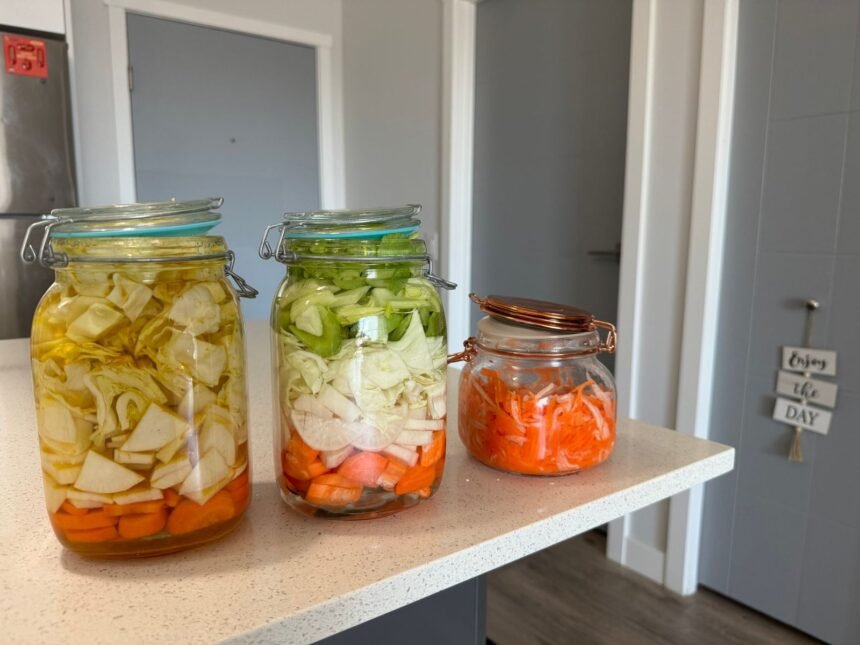
Modern clinical investigation continues to validate a foundational medical truth: human systemic immunity is inextricably tethered to the microbial ecosystem residing within the gastrointestinal tract. For decades, traditional Western nutritional paradigms viewed dietary intake merely through the reductive lens of caloric provision and basic macronutrient fuel. However, landmark metagenomic sequencing initiatives, including the Human Microbiome Project and subsequent longitudinal cohort analyses published in top-tier journals like Cell and Nature Medicine, have dismantled this outdated view. We now recognize the human colon as a dense, highly metabolically active bioreactor containing trillions of symbiotic microorganisms. These microbes synthesize essential neurochemicals, modulate systemic inflammatory cascades, and directly instruct naive T-cells on how to distinguish harmless self-tissues from pathogenic invaders.
- Comparative Analysis of Gut Microbiome Interventions
- Anatomy of the Intestinal Barrier and Mucosal Immunity
- The Molecular Mechanics of Fermented Foods
- Short-Chain Fatty Acids: The Chemical Bridge to Systemic Immunity
- Dietary Fiber Diversity and Microbial Alpha-Diversity
- Clinical Protocols for Restoring Microbiome Diversity
- The Gut-Brain Axis and Neuroimmune Regulation
- Metabolic Endotoxemia: When the Gut Fails
- Thermal Processing and the Survival of Probiotic Organisms
- The Role of Polyphenols as Prebiotic Enhancers
- Hydration, Osmotic Balance, and Fiber Adaptation
- Tracking Success: Biomarkers and Metagenomic Testing
- Frequently Asked Questions
- How quickly can fermented foods and dietary fiber alter gut microbiome composition?
- Can I get the same immunological benefits from probiotic supplements as I do from fermented foods?
- What is the exact mechanism by which butyrate strengthens the intestinal barrier?
- Why does increasing dietary fiber cause gas and bloating, and how can I prevent it?
- How do short-chain fatty acids influence systemic autoimmune and allergic conditions?
Despite this overwhelming scientific consensus, contemporary populations consume highly processed, low-fiber diets that systematically starve commensal bacterial strains, driving a precipitous collapse in gut microbial alpha-diversity. This ecological depletion compromises the intestinal epithelial barrier, leading to increased mucosal permeability, chronic low-grade systemic inflammation, and an elevated risk of autoimmune, metabolic, and neurodegenerative disorders. Reversing this modern immunometabolic decline requires a targeted dual strategy: flooding the gastrointestinal tract with transient, highly beneficial probiotic strains via traditionally fermented foods while concurrently supplying complex fermentable carbohydrates that feed indigenous homeostatic taxa. Understanding the exact molecular signaling pathways through which these dietary components alter human physiology transforms nutrition from a passive dietary habit into a potent clinical intervention.
To successfully orchestrate this microbial restoration, clinicians and health-conscious individuals must move past vague dietary suggestions and adopt precise, measurable protocols. By analyzing how short-chain fatty acids bind to specific G-protein coupled receptors, how live microbes stimulate mucosal immunoglobulin A production, and how specific dietary fibers modulate systemic cytokine production, we can engineer an optimal internal environment. The following comprehensive field guide explores the exact physiological mechanisms, clinical evidence, and step-by-step implementation strategies required to leverage fermented foods and dietary fiber for long-term immunological resilience.
Integrating six servings of low-sugar fermented foods daily alongside forty grams of diverse prebiotic fibers rapidly expands gut microbial alpha-diversity and downregulates systemic inflammatory cytokines within ten weeks. This protocol is clinically proven to enhance regulatory T-cell differentiation, strengthen intestinal tight junctions, and optimize mucosal immune surveillance. Implement this graduated regimen systematically while monitoring gastrointestinal tolerance to avoid acute osmotic distress.
- Primary Mechanism / Finding: A randomized clinical trial published in Cell demonstrated that a 10-week fermented food diet increased microbial diversity and reduced 19 inflammatory proteins, including Interleukin-6.
- Optimal Protocol / Top Pick: Daily consumption of unpasteurized lacto-fermented vegetables and kefir combined with 40g of varied soluble and insoluble dietary fibers.
- Practical Alternative: Incorporating standardized multi-strain probiotic supplements alongside organic psyllium husk and resistant potato starch for those unable to tolerate dairy or high-acid ferments.
- Critical Pitfall: Rapidly escalating fermentable fiber intake without adequate hydration, which precipitates severe abdominal distention, cramping, and acute gas accumulation.
Comparative Analysis of Gut Microbiome Interventions
Evaluating dietary and supplementary approaches requires an analytical look at clinical outcomes, dosing thresholds, and mechanistic pathways. The matrix below contrasts five prominent strategies utilized in metabolic and immunological medicine.
| Protocol / Intervention | Thermal / Dose Range | Primary Biomarker / Mechanism | Clinical Evidence Level | Target Population |
|---|---|---|---|---|
| High-Diversity Fermented Foods | 6 servings/day (raw, unpasteurized) | IL-6 reduction, Alpha-diversity increase | Randomized Controlled Trial (Level 1) | Systemic inflammation, dysbiosis |
| Diverse Prebiotic Fiber Protocol | 35-50g/day from 30+ plant species | Butyrate elevation, Faecalibacterium prausnitzii growth | Meta-Analysis (Level 1) | Metabolic syndrome, barrier dysfunction |
| Targeted Resistant Starch | 15-20g/day (Type 2 RS, cooled cooked foods) | Propionate synthesis, insulin sensitivity improvement | Clinical Trial (Level 2) | Glycemic dysregulation, insulin resistance |
| Multi-Strain Probiotic Supplementation | 50 to 100 Billion CFU daily | Transient mucosal colonization, secretory IgA upregulation | Randomized Controlled Trial (Level 1) | Post-antibiotic recovery, acute dysbiosis |
| Polyphenol-Rich Botanical Extracts | 500-1000mg/day (anthocyanins, catechins) | Bifidobacterium enrichment, lipopolysaccharide reduction | Controlled Crossover Trial (Level 2) | Oxidative stress, metabolic endotoxemia |
Anatomy of the Intestinal Barrier and Mucosal Immunity
The human gastrointestinal tract acts as the body’s primary interface with the external environment, covering a surface area of approximately thirty square meters. To prevent luminal pathogens, dietary antigens, and endotoxins from entering systemic circulation, the body employs a sophisticated, multi-layered defense architecture. At the base of this defense lies the intestinal epithelium, a single continuous layer of columnar cells held together by tight junction proteins such as occludin, claudins, and zonula occludens-1. When these structural proteins are robustly maintained, selective permeability allows nutrient absorption while blocking harmful macromolecules. Conversely, Western dietary patterns low in fermentable fiber deprive epithelial colonocytes of their primary energy source, leading to tight junction degradation and clinical leaky gut syndromes.
Overlying this cellular monolayer is a dynamic dual-layer mucus system secreted by specialized goblet cells. In a healthy, fiber-rich gastrointestinal tract, the inner mucus layer remains virtually sterile due to dense concentrations of antimicrobial peptides and secretory immunoglobulin A (sIgA). Commensal bacteria reside primarily within the loose outer mucus layer, utilizing host-derived glycans and dietary substrates to sustain their populations without provoking an inflammatory host response. When fiber deprivation forces commensal bacteria to consume the host mucus layer for survival, the physical distance between luminal microbes and epithelial cells shrinks drastically. This spatial disruption triggers toll-like receptors on immune cells, initiating chronic inflammatory signaling cascades that reverberate throughout peripheral organs.
Furthermore, gut-associated lymphoid tissue represents nearly seventy percent of the body’s entire immune system, housing an intricate network of Peyer’s patches, mesenteric lymph nodes, and lamina propria immune cells. Naive T-cells passing through these lymphoid structures encounter microbial metabolites presented by dendritic cells, which determine whether an adaptive immune response will be tolerogenic or inflammatory. Fermented foods and dietary fiber directly supply the chemical signals required to bias this system toward immune tolerance. By promoting the generation of FoxP3+ regulatory T-cells, commensal metabolites effectively suppress aberrant autoimmune reactions and dampen excessive allergic responses.
The Molecular Mechanics of Fermented Foods
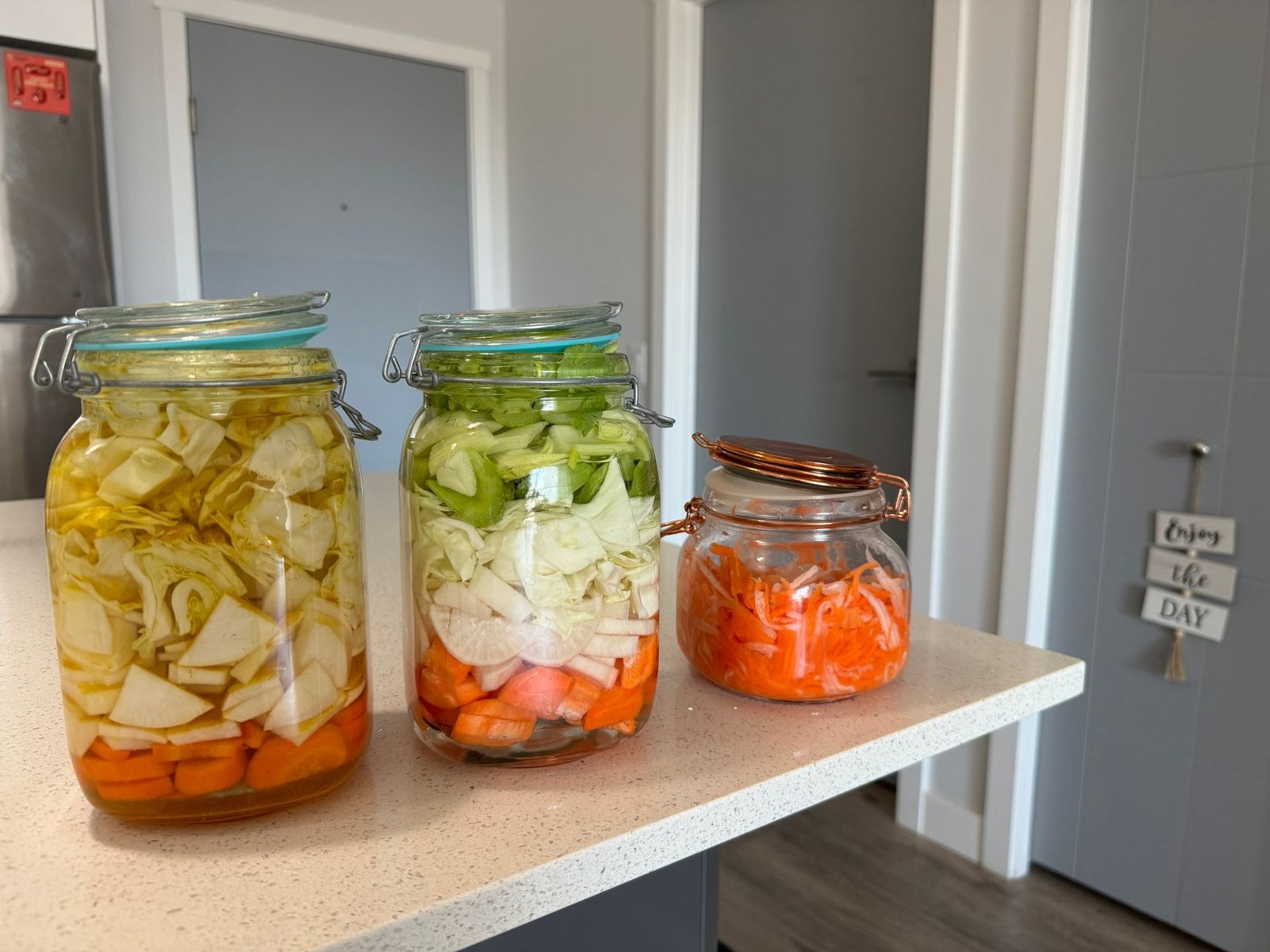
Fermented foods are much more than preserved culinary staples; they function as living biological delivery systems carrying billions of exogenous microorganisms and bioactive peptides directly into the human gastrointestinal tract. Traditional fermentation processes utilizing lactic acid bacteria, acetic acid bacteria, and wild yeasts transform raw agricultural ingredients into nutrient-dense substrates. During this metabolic transformation, microorganisms consume simple sugars and synthesize high concentrations of organic acids, bioactive amino acid derivatives, and vitamins. Crucially, these live microbes do not necessarily need to permanently colonize the human colon to exert profound health benefits. Instead, transient passage of these microorganisms stimulates host epithelial cells and modulates resident commensal populations.
As transient lactic acid bacteria traverse the digestive tract, they interact directly with pattern recognition receptors on intestinal epithelial cells and resident immune sentinels. This engagement prompts the upregulation of antimicrobial peptides such as defensins and cathelicidins, creating a hostile environment for opportunistic pathogens like Escherichia coli and Salmonella enterica. Additionally, the organic acids produced during fermentation lower luminal pH, which naturally inhibits the proliferation of acid-sensitive pathogenic bacteria while supporting acid-tolerant beneficial taxa like Lactobacillus and Bifidobacterium. This biochemical acidification serves as an essential barrier against enteric infections and maintains proper enzymatic function within the small and large intestines.
Beyond live microorganisms, the enzymatic breakdown of food proteins during fermentation yields bioactive peptides with systemic physiological activities. For example, fermented dairy products contain specific tripeptides that exhibit angiotensin-converting enzyme inhibitory activity, supporting healthy vascular tone and endothelial function. Other microbial metabolites generated during fermentation act as direct antioxidants, scavenging reactive oxygen species within the gut lumen and reducing oxidative stress on mucosal epithelial cells. Incorporating diverse unpasteurized ferments like kimchi, sauerkraut, kefir, and traditional miso introduces these complex biochemical payloads on a daily basis, effectively priming systemic immunity.
Short-Chain Fatty Acids: The Chemical Bridge to Systemic Immunity
The metabolic interaction between dietary fiber and the gut microbiome yields one of the most important classes of signaling molecules in human biology: short-chain fatty acids. When complex polysaccharides bypass upper gastrointestinal digestion and reach the anaerobic environment of the cecum and colon, specialized saccharolytic bacteria ferment these fibers via anaerobic glycolysis. The primary end-products of this microbial fermentation are acetate, propionate, and butyrate, which are generated in an approximate molar ratio of 60:20:20. These organic acids serve distinct physiological roles, acting locally as fuel for colonocytes and systemically as epigenetic regulators and immune modulators.
Butyrate holds a position of supreme importance, serving as the preferred metabolic substrate for colonic epithelial cells, accounting for up to seventy percent of their total energy consumption. By maintaining high rates of mitochondrial beta-oxidation in colonocytes, butyrate ensures profound oxygen consumption, keeping the mucosal microenvironment hypoxic and preventing the overgrowth of facultative anaerobic pathogens. At the cellular level, butyrate functions as a potent endogenous histone deacetylase inhibitor. By inhibiting these enzymes, butyrate promotes hyperacetylation of histone tails, relaxing chromatin structure and driving the transcription of genes responsible for anti-inflammatory cytokine production and barrier restoration.
Beyond local mucosal maintenance, short-chain fatty acids enter portal circulation and activate specific G-protein coupled receptors, namely GPR41 (free fatty acid receptor 3) and GPR43 (free fatty acid receptor 2), expressed on immune cells and vascular endothelium. Activation of these receptors triggers intracellular signaling cascades that suppress nuclear factor kappa B activation, thereby blunting the transcription of pro-inflammatory cytokines such as Tumor Necrosis Factor-alpha and Interleukin-1 beta. Propionate travels to the liver where it modulates gluconeogenesis and hepatic lipid synthesis, while circulating acetate crosses the blood-brain barrier to regulate central appetite centers. This intricate biochemical signaling network highlights why optimizing dietary fiber intake directly dictates systemic metabolic and immune health.
Dietary Fiber Diversity and Microbial Alpha-Diversity
A common pitfall in modern nutrition is viewing dietary fiber as a monolithic substance rather than a vast array of chemically distinct plant carbohydrates. True microbial resilience requires dietary fiber diversity, defined as consuming a wide array of plant species containing different monosaccharide linkages and structural conformations. The human genome encodes fewer than twenty carbohydrate-active enzymes capable of breaking down complex plant starches and non-starch polysaccharides. In contrast, the collective metagenome of a healthy gut microbiome encodes thousands of distinct carbohydrate-active enzymes, allowing commensal bacteria to degrade complex structures that humans cannot digest alone.
Different bacterial taxa exhibit specialized dietary preferences based on their enzymatic machinery. For instance, inulin and fructooligosaccharides preferentially nourish Bifidobacterium species, while resistant starches selectively stimulate butyrate-producing strains such as Faecalibacterium prausnitzii and Eubacterium rectale. Pectin from citrus fruits and apples supports specialized pectinolytic bacteria that generate high levels of acetate and propionate. When individuals consume a monotonous diet restricted to a handful of refined grains, microbial populations starve for lack of specialized substrates, leading to the local extinction of key bacterial species and a catastrophic drop in alpha-diversity.
Clinical studies consistently show that individuals consuming over thirty distinct plant species per week exhibit significantly greater microbial alpha-diversity and lower systemic inflammatory markers compared to those consuming fewer than ten plant species. This plant variety provides a continuous, varied buffet of soluble, insoluble, viscous, and fermentable fibers that keep commensal metabolic pathways active and robust. Transitioning toward high-fiber diversity requires an intentional culinary approach, incorporating tubers, legumes, seeds, nuts, whole grains, and a broad spectrum of colorful vegetables into every meal.
To instantly expand your weekly plant count without increasing total caloric intake, utilize the culinary scrap-savory technique: collect the outer leaves, stems, and peelings of diverse organic vegetables in a freezer bag, then simmer them to create a polyphenol-dense mineral broth that feeds multiple distinct bacterial strains.
Clinical Protocols for Restoring Microbiome Diversity
Reversing chronic gut dysbiosis and restoring robust immune function requires a systematic, phased clinical protocol rather than an abrupt dietary overhaul. Attempting to jump immediately from a low-fiber, processed diet to forty grams of fermentable fiber and six daily servings of fermented foods will overwhelm digestive capacity, leading to severe flatulence, cramping, and systemic discomfort. Clinicians utilize a four-phase restoration framework designed to gradually expand microbial populations while upgrading mucosal integrity.
Phase one focuses on removal and preparation, identifying and eliminating common dietary irritants, excessive alcohol, and unnecessary antimicrobial medications while introducing basic bone broths and soothing herbal infusions. Phase two initiates the introduction of low-FODMAP fermented foods in micro-doses, such as one teaspoon of sauerkraut juice or fermented coconut water daily, allowing the resident microbiome to adapt to incoming organic acids and live bacteria without triggering osmotic stress. Phase three systematically increases prebiotic fiber diversity, adding one new plant food every three to four days while pairing these fibers with adequate hydration to facilitate smooth intestinal transit.
Phase four centers on long-term maintenance and personalization, utilizing clinical stool metagenomic testing to track alpha-diversity shifts and adjusting dietary inputs based on specific taxonomic deficits. During this maintenance phase, individuals can integrate supportive longevity tools such as targeted Magnesium Glycinate vs Threonate Clinical Field Test for Sleep and Cognition protocols to optimize autonomic nervous system tone and support restorative sleep architecture, which directly influences gut motility and mucosal repair.
The Gut-Brain Axis and Neuroimmune Regulation
The communication network linking the gastrointestinal tract and the central nervous system, known as the gut-brain axis, operates via bidirectional neural, hormonal, and immunological pathways. The vagus nerve serves as the primary anatomical superhighway of this axis, directly innervating the muscular layers and mucosa of the gut wall. Commensal bacteria and their metabolic byproducts modulate vagal afferent firing, transmitting real-time updates regarding luminal chemical composition directly to the brainstem, hypothalamus, and limbic structures. This neural transmission influences stress reactivity, mood regulation, and neuroinflammation.
Furthermore, the gut microbiome synthesizes and regulates a vast proportion of the body’s neurotransmitters. A significant percentage of total systemic serotonin is synthesized in the intestinal mucosa by enterochromaffin cells, a process directly stimulated by microbial short-chain fatty acids. Similarly, commensal bacteria synthesize gamma-aminobutyric acid, dopamine, and norepinephrine, directly impacting enteric and central nervous system signaling. When microbial dysbiosis disrupts this neurochemical synthesis, patients frequently experience heightened anxiety, cognitive fatigue, and disrupted sleep patterns.
Maintaining optimal neuroplasticity and long-term cognitive health requires protecting this intricate microbial signaling network across decades. By integrating strategies that support microbiome diversity alongside lifestyle factors explored in Cognitive Health and Neuroplasticity: Lifestyle Factors That Maintain Brain Health Across Decades, individuals can safeguard both cognitive vitality and immune resilience as they age, preventing age-related neuroinflammatory decline.

Metabolic Endotoxemia: When the Gut Fails
When chronic dietary indiscretion, stress, and microbial starvation compromise the integrity of the intestinal epithelial barrier, a pathological process known as metabolic endotoxemia occurs. Lipopolysaccharides, which are outer membrane components of gram-negative bacteria residing within the gut lumen, escape across the permeable mucosal barrier and enter portal and systemic circulation. Once in the bloodstream, lipopolysaccharides bind to toll-like receptor 4 on circulating immune cells and endothelial surfaces, initiating a potent inflammatory cascade that damages insulin receptor signaling and vascular function.
This chronic, low-grade metabolic endotoxemia is now recognized as a primary driver of insulin resistance, non-alcoholic fatty liver disease, and systemic atherosclerosis. The human body responds to circulating lipopolysaccharides by upregulating inflammatory cytokines such as Interleukin-6 and Tumor Necrosis Factor-alpha, which systematically interfere with muscular and hepatic glucose uptake. Over time, this constant inflammatory bombardment exhausts pancreatic beta-cells and accelerates metabolic syndrome. Stopping this destructive pathological cascade requires sealing the intestinal barrier through robust dietary fiber fermentation and the targeted anti-inflammatory action of fermented food metabolites.
Clinicians track metabolic endotoxemia through specialized serum inflammatory panels and markers of intestinal permeability, such as zonulin and fatty acid-binding protein 2. Reversing elevated biomarker levels requires an aggressive therapeutic focus on restoring mucosal tight junctions. By providing abundant butyrate precursors and flooding the gut with beneficial microbial strains, clinicians can re-establish tight junction protein expression, drastically reducing systemic endotoxin translocation and restoring metabolic homeostasis.
Thermal Processing and the Survival of Probiotic Organisms
A critical technical nuance in utilizing fermented foods for immunological enhancement is understanding the impact of thermal processing and food manufacturing techniques. Many commercial products marketed as fermented, including mass-market shelf-stable pickles, heavily processed soy sauces, and commercially baked sourdough breads, undergo pasteurization, thermal sterilization, or chemical preservation before reaching supermarket shelves. Pasteurization, while extending shelf life and eliminating potential foodborne pathogens, denatures vital proteins and destroys all live probiotic microorganisms contained within the food matrix.
While heat-killed paraprobiotics and their cellular wall fragments still retain some immunomodulatory properties, live probiotic microorganisms offer vastly superior clinical efficacy by temporarily colonizing specific mucosal niches and synthesizing fresh organic acids in situ. Therefore, consumers must carefully inspect product ingredient labels and storage requirements. Authentic, bioactive fermented foods are typically found in the refrigerated section, feature unpasteurized or raw declarations on the label, and contain live, active cultures. Common examples include traditional refrigerated kimchi, unpasteurized lacto-fermented sauerkraut, raw apple cider vinegar with the mother, traditional water or milk kefir, and authentic unpasteurized miso paste kept away from boiling liquids during culinary preparation.
When incorporating these live-culture foods into cooked meals, proper timing is essential to preserve their beneficial bacterial loads. Adding raw sauerkraut or kimchi as a cold condiment to a warm grain bowl or soup just before consumption allows the diner to enjoy the complex flavors and textures without subjecting the delicate lactic acid bacteria to lethal thermal thresholds. This simple culinary practice ensures maximum delivery of viable probiotic organisms to the gastrointestinal tract.
Immunocompromised patients, individuals with central venous catheters, and those suffering from severe small intestinal bacterial overgrowth (SIBO) or acute inflammatory bowel disease flares must exercise extreme caution with high-dose live probiotics and raw fermented foods. Uncontrolled introduction of live bacterial strains in these vulnerable cohorts can precipitate bacteremia, fungal sepsis, or severe abdominal distress. Always consult a qualified gastroenterologist or clinical immunologist before initiating aggressive microbiome protocols.
The Role of Polyphenols as Prebiotic Enhancers
While traditional dietary fibers receive the lion’s share of scientific attention, plant polyphenols represent another remarkably powerful class of prebiotic compounds that shape microbiome diversity. Polyphenols are naturally occurring micronutrients found in berries, dark cocoa, green tea, extra virgin olive oil, and colorful spices. Approximately ninety to ninety-five percent of ingested polyphenols bypass upper gastrointestinal digestion entirely, arriving intact in the large intestine where they encounter resident commensal bacteria.
Once in the colon, bacterial enzymes metabolize these complex polyphenols into smaller, highly bioavailable phenolic metabolites that exhibit potent antioxidant and anti-inflammatory activities. Concurrently, these botanical compounds selectively inhibit the proliferation of pathogenic bacterial strains while stimulating the growth of beneficial taxa such as Bifidobacterium and Lactobacillus. This creates a synergistic relationship where polyphenols enhance microbial diversity, and the resulting microbial metabolites provide enhanced protection against oxidative stress and systemic inflammation.
Integrating high-polyphenol foods into a fiber-rich, fermented food protocol supercharges the overall immunometabolic benefits. For instance, pairing a morning bowl of steel-cut oats (resistant starch and soluble fiber) with wild blueberries (anthocyanins) and unpasteurized kefir (live probiotics) creates a trifecta of microbial support. This multi-modal approach engages diverse metabolic pathways, ensuring comprehensive enhancement of gut barrier integrity and systemic immune regulation.
Hydration, Osmotic Balance, and Fiber Adaptation
As individuals scale up their consumption of dietary fiber and complex prebiotics, proper fluid intake becomes an absolute physiological necessity. Soluble and viscous fibers, such as psyllium, beta-glucan, and pectin, possess a high water-binding capacity. As these fibers transit through the gastrointestinal tract, they absorb significant amounts of luminal water to form a gel-like matrix that slows gastric emptying and moderates glucose absorption. If fluid intake remains static while fiber intake doubles or triples, this water-binding property draws essential moisture away from the intestinal mucosa, resulting in hard, compacted stools, severe constipation, and acute abdominal pain.
Furthermore, rapid fermentation of new fiber substrates by newly awakened bacterial populations produces large volumes of gas, including carbon dioxide, hydrogen, and methane. Adequate hydration and gradual upward titration of fiber over a four-to-six-week adaptation period allow the intestinal smooth muscle and mucosal lining to adapt to these expanding volumes without excessive distention. Pairing high-fiber protocols with targeted cold adaptation methods, as outlined in Cold Exposure & Thermogenesis: What Clinical Research Says About Brown Adipose Tissue Activation, can further enhance metabolic rate and systemic vagal tone, supporting optimal gastrointestinal motility and systemic resilience.

Tracking Success: Biomarkers and Metagenomic Testing
Moving from a theoretical understanding of gut microbiome diversity to measurable physiological improvement requires objective clinical tracking. Relying solely on subjective symptoms like bloating or bowel movement frequency provides incomplete feedback, as significant mucosal healing and inflammatory reduction can occur beneath the threshold of conscious awareness. Modern clinical practice increasingly utilizes advanced diagnostic tools to quantify the exact composition and metabolic activity of an individual’s microbiome.
Commercial and clinical stool metagenomic sequencing, utilizing shotgun sequencing technology, provides a high-resolution snapshot of microbial alpha-diversity, the ratio of Firmicutes to Bacteroidetes, and the relative abundance of key beneficial taxa such as Faecalibacterium prausnitzii and Akkermansia muciniphila. Tracking these metrics over a three-to-six-month intervention window allows clinicians to verify whether dietary fiber diversity and fermented foods are successfully altering microbial ecology. Additionally, measuring systemic inflammatory markers such as high-sensitivity C-reactive protein, fasting insulin, and lipid panels confirms whether local microbial shifts are successfully translating into systemic health improvements.
Ultimately, restoring and maintaining gut microbiome diversity is not a temporary therapeutic cleanse, but a lifelong nutritional commitment. By respecting the intricate physiological dialogue between dietary fiber, live fermented foods, and mucosal immunity, individuals can unlock a profound level of long-term vitality, metabolic stability, and immune protection.
Frequently Asked Questions
How quickly can fermented foods and dietary fiber alter gut microbiome composition?
Landmark controlled feeding studies published in leading journals demonstrate that significant shifts in human gut microbiome composition can occur remarkably fast, often within twenty-four to forty-eight hours of major dietary modification. However, these rapid shifts primarily reflect transient changes in microbial gene expression and the metabolic activity of existing taxa. Permanent expansion of alpha-diversity and stable colonization by beneficial transient strains introduced via fermented foods typically require consistent daily adherence over a minimum of six to ten weeks. Sustained lifestyle habits are required to maintain these structural microbial gains over the long term.
Can I get the same immunological benefits from probiotic supplements as I do from fermented foods?
While multi-strain probiotic supplements offer a convenient and highly standardized dose of specific beneficial bacteria, they generally do not replicate the full biological complexity of traditional fermented foods. Fermented foods provide a complex biochemical matrix containing live microorganisms, organic acids, bioactive peptides, vitamins, and degraded food components that work synergistically. Furthermore, fermented foods introduce billions of diverse organisms embedded within a physical food matrix that protects them through upper gastrointestinal transit. Combining high-quality fermented foods with targeted supplementation provides the most comprehensive clinical outcome.
What is the exact mechanism by which butyrate strengthens the intestinal barrier?
Butyrate strengthens the intestinal barrier through multiple distinct biochemical mechanisms. First, it serves as the primary ATP-generating energy substrate for colonocytes, ensuring these cells possess the high metabolic energy required to synthesize and maintain tight junction proteins such as occludin and zonula occludens-1. Second, butyrate acts as an endogenous histone deacetylase inhibitor, promoting chromatin relaxation and upregulating the transcription of genes responsible for mucosal repair and mucin production. Third, by driving high mitochondrial oxygen consumption in epithelial cells, butyrate maintains a hypoxic mucosal microenvironment that prevents opportunistic pathogens from expanding.
Why does increasing dietary fiber cause gas and bloating, and how can I prevent it?
Gas and bloating during a transition to a high-fiber diet occur because dormant, fiber-deprived commensal bacterial populations suddenly receive large quantities of complex carbohydrates, fermenting them rapidly and generating high volumes of hydrogen, carbon dioxide, and methane gases. To prevent this acute discomfort, individuals should utilize a gradual titration strategy, increasing total dietary fiber intake by no more than five grams every week while pairing the increase with abundant fluid consumption. Additionally, rotating different fiber sources and introducing digestive enzymes or low-FODMAP ferments in micro-doses can ease the adaptation phase.
How do short-chain fatty acids influence systemic autoimmune and allergic conditions?
Short-chain fatty acids, particularly propionate and butyrate, influence systemic autoimmune and allergic conditions by directly modulating the differentiation and function of T-lymphocytes within gut-associated lymphoid tissue. These microbial metabolites promote the proliferation of naive T-cells into FoxP3+ regulatory T-cells, which play a master regulatory role in suppressing excessive inflammatory responses and establishing immune tolerance toward harmless environmental and self-antigens. By dampening the overactivity of helper T-cell subsets like Th17 and Th2, short-chain fatty acids help prevent the chronic immune misdirection underlying autoimmunity and allergic hypersensitivity.