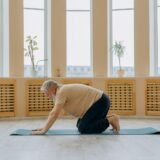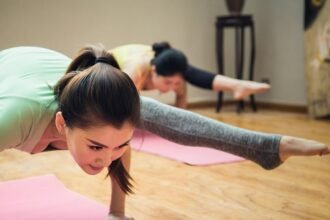


Sitting for eight hours a day stiffens your hip flexors, deactivates your glutes, and rounds your thoracic spine. You do not need an expensive gym membership or two hours of free time to reverse this postural fatigue. Help relieve your daily desk stiffness in 15 minutes with zero special tools.
- Phase 1: Baseline Preparation & Environmental Setup
- Phase 2: The Cervical Spine and Neck Reset
- Phase 3: Thoracic Spine Openers for Rounded Shoulders
- Phase 4: Decompressing the Hip Flexors
- Phase 5: Hamstring Lengthening and Posterior Chain Activation
- Phase 6: Glute Activation and Pelvic Bridge Flows
- Phase 7: Ankle Mobility and Calf Openers
- Phase 8: Scapular Wall Slides for Postural Endurance
- Phase 9: Integration into Your Daily Workflow
- Frequently Asked Questions
- Estimated Time: Exactly 15 minutes daily.
- Difficulty Level: Beginner friendly, scalable for all fitness levels.
- Required Tools / Items: A firm yoga mat, a sturdy wall, and an open floor space of six by six feet.
Phase 1: Baseline Preparation & Environmental Setup
Before touching your toes or moving a single joint, clear your physical space to focus fully on proper movement execution. Move your chair completely out of the way and roll out a 6mm thick PVC yoga mat on a hard, flat floor. Soft carpets introduce instability when balancing on one leg during dynamic stretches.
Set a visual timer on your phone for 15 minutes and place it at eye level at the top of your mat. Silence all notifications so your brain shifts fully away from email triage and into physical movement mode. Wear flexible clothing like cotton sweatpants or athletic shorts that allow a full range of motion without binding at the waist.
Take three deep diaphragmatic breaths through your nose, expanding your lower ribs for four seconds before exhaling completely for six seconds. This breath pattern helps promote relaxation and stress reduction. You can pair this breathing ritual with aromatherapy patches vs diffusers for anxiety: which actually lowers cortisol faster to enhance your relaxation response.
Phase 2: The Cervical Spine and Neck Reset
Hours of looking down at a laptop screen or smartphone can strain your suboccipital muscles and pull your head forward. Stand tall with your feet shoulder-width apart, arms relaxed by your sides, and gaze fixed straight ahead. Keep your shoulders relaxed and pulled down away from your ears throughout this sequence.
- Retract the chin: Pull your chin straight backward to align your neck, without tilting your head up or down. Hold this position gently for three seconds.
- Execute cervical rotation: Slowly turn your head to look over your right shoulder, holding for two seconds at the point of mild tension. Return to center and repeat on the left side. Perform 10 controlled repetitions per direction.
- Perform lateral flexion: Drop your right ear toward your right shoulder until you feel a gentle stretch down the left side of your neck. Hold for five seconds, then switch sides. Complete 5 slow rounds.
Never force your neck into painful ranges of motion. If you experience sharp pain, discomfort, or tingling down your arms, stop immediately and consult a qualified healthcare professional.

Phase 3: Thoracic Spine Openers for Rounded Shoulders
Your upper back frequently locks into a flexed posture when typing at a keyboard, restricting shoulder mobility. Drop down onto your hands and knees on your mat with your wrists positioned directly under your shoulders and your knees under your hips.
- Thread the needle: Inhale as you reach your right arm straight up toward the ceiling, twisting your upper torso to follow your hand with your eyes. Exhale as you sweep that same right arm underneath your left armpit, resting your right shoulder and right temple gently on the floor.
- Hold the rotation: Breathe deeply into your upper back for five full seconds, feeling your shoulder blades move freely.
- Switch sides: Unwind, return to the tabletop position, and repeat the movement with your left arm. Complete 6 fluid repetitions per side.
Keep your abdominal muscles lightly engaged during the twist to protect your lower back. The rotation should originate primarily from your mid-back.
Phase 4: Decompressing the Hip Flexors
Prolonged sitting keeps your hip flexors in a shortened position, which can strain your lower back and hip joints. Step your right foot forward into a deep lunge position, then lower your left knee gently to the floor. Place both hands on top of your right thigh for stability.
- Engage the posterior tilt: Gently squeeze your left glute muscle and tuck your tailbone slightly under. You should feel a stretch running down the front of your left hip and thigh.
- Shift weight forward: Keeping your torso completely upright, glide your hips forward slightly. Avoid arching your lower back.
- Hold and breathe: Maintain this stretch for 30 seconds while taking slow, deep breaths. Step back to tabletop and switch legs, performing 3 sets per side.
If kneeling on a hard floor causes discomfort in your kneecap, fold the edge of your yoga mat over to create additional cushioning.
Phase 5: Hamstring Lengthening and Posterior Chain Activation
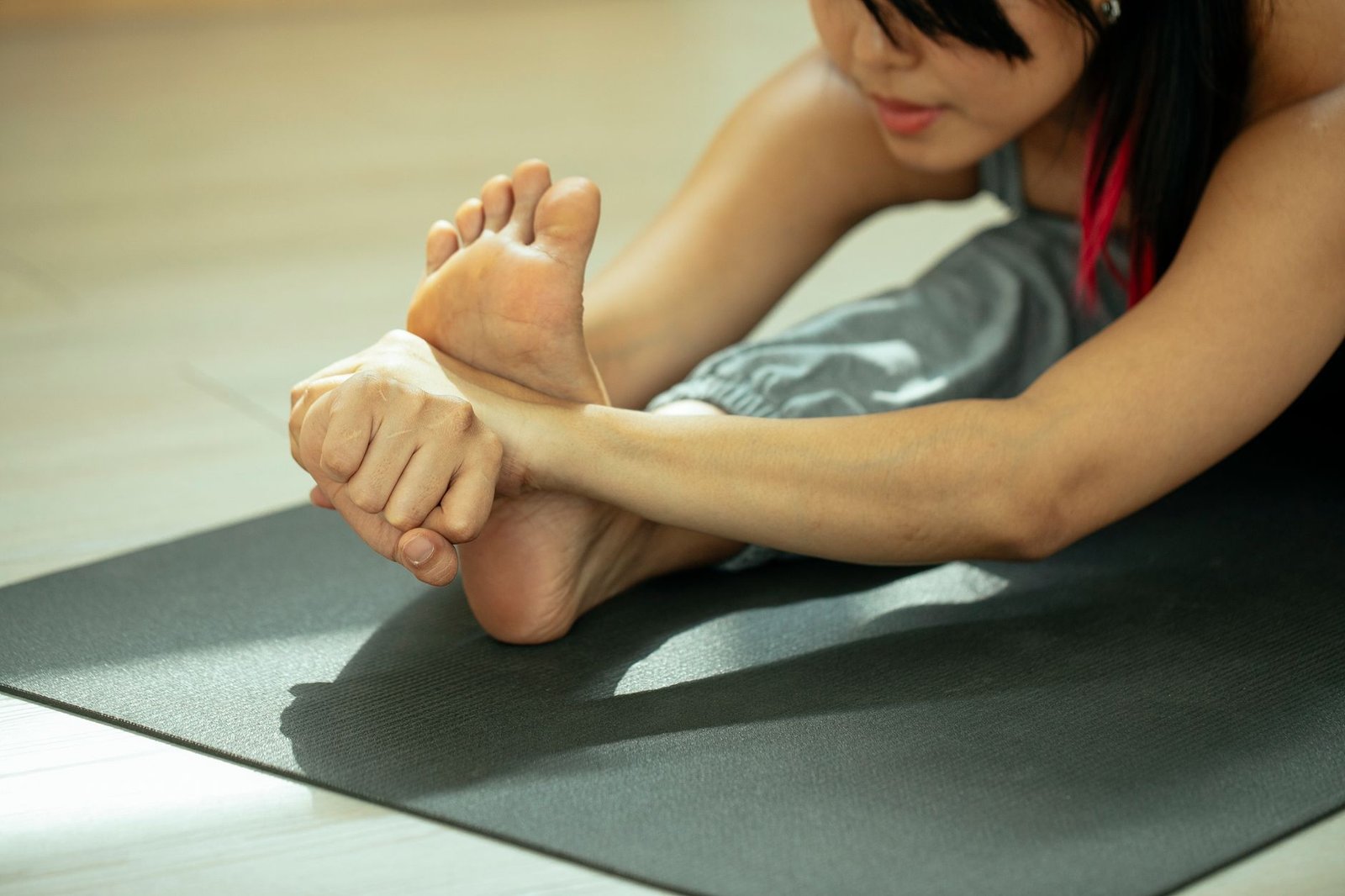
Tight hamstrings can tilt your pelvis backward and flatten your natural lumbar curve, contributing to lower back tightness upon standing. Sit on the edge of your mat with your right leg extended straight out in front of you and your left knee bent so the sole of your left foot touches your inner right thigh.
- Hinge from the hips: Sit up tall, drawing your shoulders back. Pivot forward directly from your hip crease, keeping your spine straight. Avoid rounding your lower back to reach your toes.
- Apply tension: Reach your hands gently toward your right shin or foot until you feel a moderate stretch along the back of your right leg.
- Hold and switch: Hold the position for 30 to 45 seconds without bouncing. Return to an upright seated position, switch leg configurations, and repeat 3 times per leg.
If your spine rounds automatically when sitting on the floor, sit on a yoga block or a small rolled towel to elevate your hips slightly above your knees.
Phase 6: Glute Activation and Pelvic Bridge Flows
Sitting for long durations reduces glute engagement, requiring lower back muscles to compensate during basic standing movements. Lie flat on your back on your mat with your knees bent and your feet flat on the floor, positioned hip-width apart and roughly six inches away from your glutes.
- Set your core: Press your lower back comfortably flat against the floor by lightly engaging your core muscles.
- Drive through the heels: Push your heels into the mat and squeeze your glutes to lift your hips toward the ceiling until your body forms a straight line from your shoulders to your knees.
- Pause and lower: Hold the top position for a strict two-second contraction, then lower your hips slowly back to the starting floor position over a three-second count. Perform 15 smooth repetitions.
Avoid lifting your hips so high that your back arches excessively. Focus on generating movement power directly from your glutes and hamstrings.
Phase 7: Ankle Mobility and Calf Openers
Stiff ankles alter your natural walking gait and increase load on your knees and hips during daily activities. Face a sturdy interior wall and stand roughly two feet away from it with both feet planted flat on the floor.
- Step into position: Take a small step forward with your right foot, keeping your heel firmly planted on the floor.
- Drive the knee forward: Bend your right knee and track it directly forward toward the wall, aiming to touch the wall with your knee while keeping your right heel flat on the floor.
- Pulse and repeat: If your knee touches the wall easily, step your foot back an inch further. Perform 15 dynamic pulses on the right leg, then switch to the left leg. Complete 2 sets per side.
To complement your daily mobility work with regular cardiovascular exercise, explore training tips in is zone 2 cardio overrated for fat loss? a data-driven reality check to optimize your overall fitness plan.
Phase 8: Scapular Wall Slides for Postural Endurance
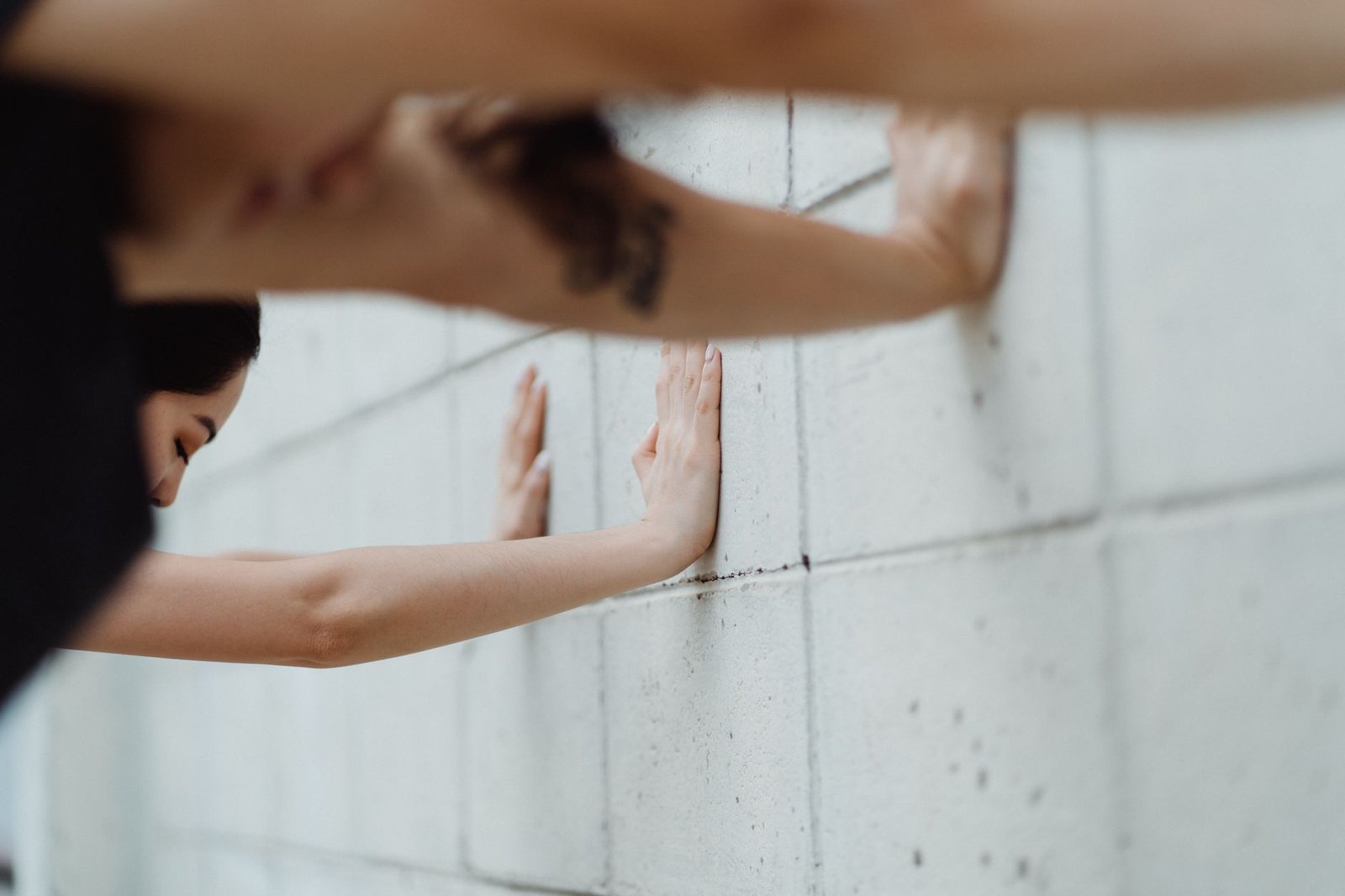
Your mid-back postural support muscles weaken when slouching over a desk. Stand with your back against a blank wall, allowing your heels, glutes, upper back, and the back of your head to make comfortable contact with the surface.
- Set arm position: Raise your arms into a field goal position, with your elbows bent at 90 degrees and the backs of your hands hovering or resting close to the wall.
- Slide upward: Slowly slide your arms up the wall as high as comfortable without arching your lower back or forcing your shoulders into discomfort.
- Lower with control: Return your arms down to the starting position. Perform 12 slow, deliberate repetitions.
You may feel fatigue in your upper back muscles during this exercise. This muscle engagement helps condition key postural stabilizers.
Phase 9: Integration into Your Daily Workflow
Consistency is key when addressing the physical impact of a sedentary job routine. Schedule your 15-minute mobility session at the same time each day, such as right after finishing your workday or before starting your morning routine.
Treat this movement session as a valuable routine for your long-term physical well-being. If 15 consecutive minutes is challenging on a busy day, split the exercises into three 5-minute movement sessions spread throughout your day.
Track your physical comfort over time by observing improved hamstring flexibility, easier walk stance, and reduced morning stiffness. For general recovery routines, pairing dynamic mobility with somatic exercises for stubborn nervous system dysregulation vs traditional HIIT for cortisol management can support balanced fitness performance.
If you feel discomfort in your lower back during the hip flexor stretch, you may be leaning too far forward or arching your lower spine. Reduce your forward movement, engage your core gently, squeeze your glutes, and maintain an upright torso.
Avoid stretching cold muscles aggressively. Spend two minutes marching gently in place or doing light arm swings to warm up your body before practicing deeper mobility stretches.
Frequently Asked Questions
Can I do this routine every day?
Yes. These low-impact mobility exercises use light bodyweight movement, making daily practice safe and practical for general mobility maintenance.
What if I cannot touch my toes during the hamstring stretch?
Reach only as far as comfortable. Focus on keeping your spine straight and hinging at your hips, even if your hands only reach your shins or knees.
Should these stretches cause discomfort?
You should feel light muscular tension, but never sharp, shooting, or joint pain. If an exercise causes joint pain or intense discomfort, stop immediately and modify your technique or skip the movement.
Can I perform this routine in work clothes?
Flexible athletic clothing is recommended. Stiff pants or fitted shirts can limit your range of motion and prevent proper exercise positioning.