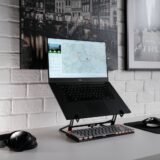


Modern desk-bound occupations enforce a physiological phenotype defined by chronic muscular inactivity, suppressed metabolic rate, and severe mitochondrial down-regulation. When human skeletal muscle remains motionless for prolonged hours, lipoprotein lipase activity drops by up to ninety percent, halting local triglyceride uptake and stalling systemic fat oxidation. Landmark epidemiological studies published in the New England Journal of Medicine and The Lancet demonstrate that interrupting prolonged sitting with low-intensity ambulation dramatically alters circulating lipid profiles and glucose homeostasis. For sedentary individuals struggling to find hours for traditional exercise, integrating a compact motorized treadmill beneath a standing desk offers a practical entry point. Executing a structured 15-minute under-desk walking pad routine introduces a reliable stimulus to reactivate dormant muscle beds, elevate core energy expenditure, and preserve lean tissue mass without inducing physical exhaustion. This protocol leverages low-impact movement to counteract the insidious metabolic penalties of office work, serving as a gateway habit for sustainable fat loss.
- Understanding the Sedentary Trap and Metabolic Suppression
- The Physiology of Non-Exercise Activity Thermogenesis (NEAT)
- Biochemical Cascades: How Low-Intensity Walking Triggers Fat Oxidation
- Equipment Selection: Choosing the Right Walking Pad for Office Integration
- Ergonomic Alignment and Desk Configuration for Safe Walking
- Step-by-Step 4-Week Progressive Adaptation Blueprint for Sedentary Beginners
- Week 1: Establishing the Baseline Habit at 1.0 to 1.2 MPH
- Week 2: Expanding Duration to 15 Minutes at 1.3 to 1.5 MPH
- Week 3: Implementing Split Sessions (Two 10-Minute Bouts)
- Week 4: Consolidating the Sustainable Daily Routine
- Cognitive Performance and Typing Accuracy While Walking
- Nutritional Timing to Amplify Fat Loss During Walking Bouts
- Overcoming Common Obstacles and Adherence Barriers
- Tracking Progress Beyond the Scale: Biomarkers of Metabolic Health
- Frequently Asked Questions
- Can a 15-minute walking pad routine really burn noticeable fat for sedentary beginners?
- What is the ideal walking speed for typing and working without losing focus?
- How do I prevent lower back pain while walking and working at a standing desk?
- Should I walk before meals or after meals for optimal fat loss results?
- What should I do if my walking pad starts slipping or making unusual noises?
A daily 15-minute walking pad session at a modest pace of 1.2 to 1.8 miles per hour effectively breaks sedentary streaks, increases non-exercise activity thermogenesis (NEAT), and improves insulin sensitivity. Beginners should start with single five-minute intervals and scale upward, ensuring proper ergonomic alignment to protect joint health. When combined with adequate dietary protein, this routine aids sustainable body composition improvements without requiring intense gym sessions.
- Primary Mechanism / Finding: Activating skeletal muscle via low-speed walking restores lipoprotein lipase activity and increases daily caloric expenditure by 50 to 100 calories per session.
- Optimal Protocol / Top Pick: Three daily five-minute bouts or one continuous 15-minute block at 1.5 miles per hour directly following carbohydrate-containing meals.
- Practical Alternative: Manual under-desk treadmills paired with ergonomic anti-fatigue mats and supportive footwear for individuals operating on tight budgets.
- Critical Pitfall: Walking at an excessive speed or improper desk height, which induces forward head posture, destabilizes the lumbar spine, and causes repetitive strain injuries.
Understanding the Sedentary Trap and Metabolic Suppression
Human physiology evolved under conditions of constant physical activity, requiring continuous muscular contraction to maintain metabolic health and vascular elasticity. When individuals transition into sedentary office roles, the cessation of lower-limb movement signals the body to conserve energy by dampening key metabolic enzymes. Lipoprotein lipase, an essential enzyme anchored to the capillary endothelium that clears triglycerides from the bloodstream, experiences a precipitous drop in functional activity. This enzymatic downregulation reduces the clearance of circulating fats, leading to elevated postprandial lipemia and an increased risk of ectopic fat accumulation within hepatic and cardiac tissues.
Furthermore, prolonged sitting induces sustained static tension in the hip flexors, particularly the psoas and iliacus muscles, while rendering the gluteal complex completely dormant. This muscular imbalance creates reciprocal inhibition of the gluteus maximus, impairing subsequent stabilization during standing and locomotion. Over months and years, this state shifts body composition away from metabolically active lean mass toward visceral adipose tissue deposition. Breaking this cycle requires intentional, frequent muscular contractions that do not necessarily demand high cardiovascular strain, making low-intensity walking pads an ideal intervention.
By engaging the largest muscle groups in the body—the quadriceps, hamstrings, and calves—even slow ambulation stimulates glucose transporter type 4 (GLUT4) translocation to the muscle cell membrane. This process occurs largely independently of insulin signaling, operating through muscular contraction-mediated calcium flux and AMP-activated protein kinase pathways. Consequently, introducing micro-bouts of walking throughout the workday helps clear glucose from the bloodstream, protecting vascular integrity and stabilizing systemic energy levels. Recognizing these foundational biological responses provides the rationale for implementing a structured walking routine during standard office hours.

The Physiology of Non-Exercise Activity Thermogenesis (NEAT)
Non-exercise activity thermogenesis, commonly termed NEAT, represents the energy expended for everything we do that is not sleeping, eating, or sports-like exercise. This includes walking to work, typing, fidgeting, maintaining posture, and performing household chores. Controlled research studies highlighted in scientific literature emphasize that NEAT is the most variable component of total daily energy expenditure, fluctuating by up to 2,000 calories per day between two individuals of identical body size. Sedentary office workers exhibit severely compressed NEAT levels, which directly contributes to gradual fat accumulation despite regular intentional workouts.
When an individual introduces a 15-minute under-desk walking pad session, they directly augment their daily NEAT baseline. Although 15 minutes of slow walking may seem modest, compounding this habit across multiple daily intervals yields a significant accumulation of energy expenditure over weekly and monthly horizons. This gentle energy burn bypasses the physiological compensation mechanisms often triggered by intense, prolonged endurance training. High-intensity exercise frequently stimulates compensatory hyperphagia, driving individuals to consume excess calories unconsciously, whereas low-intensity NEAT enhancement rarely provokes such ravenous compensatory hunger.
Maximizing NEAT through micro-movements also preserves circulating catecholamine sensitivity and supports autonomic nervous system balance. Pairing movement with complementary dietary strategies, such as following a High-Protein GLP-1 Diet Plan: 7-Day Meal Prep to Prevent Muscle Loss, ensures that the energy deficit created by increased physical activity translates strictly into adipose tissue reduction rather than lean muscle catabolism. Understanding how NEAT operates empowers individuals to view movement not as a scheduled chore, but as an ongoing physiological requirement.
Biochemical Cascades: How Low-Intensity Walking Triggers Fat Oxidation
The human body relies on a dynamic mixture of carbohydrate and lipid substrates to fuel cellular respiration, with the proportional utilization shifting based on exercise intensity and duration. At rest and during low-intensity movement—such as walking at 1.5 miles per hour—the respiratory exchange ratio favors fat oxidation. Adipose tissue lipolysis is stimulated by subtle increases in circulating catecholamines and localized hormone-sensitive lipase activation, releasing free fatty acids into the bloodstream to be transported to active skeletal muscle mitochondria.
Within the muscle cell, these free fatty acids are transported across the mitochondrial membrane via carnitine palmitoyltransferase-1, where they undergo beta-oxidation to generate adenosine triphosphate. Unlike high-intensity sprinting, which relies predominantly on glycolytic pathways and stored muscle glycogen, low-intensity walking operates well within the oxidative threshold. This means the primary fuel source is derived from stored triglycerides, making walking pads exceptionally efficient tools for direct fat utilization without inducing systemic physical fatigue or elevating cortisol to detrimental extremes.
Moreover, regular engagement in low-intensity ambulation upregulates mitochondrial biogenesis markers, including peroxisome proliferator-activated receptor gamma coactivator 1-alpha. This molecular upregulation increases both the density and oxidative capacity of mitochondria within slow-twitch Type I muscle fibers. Over time, enhanced mitochondrial function elevates baseline metabolic rate, enabling the body to oxidize lipids more efficiently even during periods of rest. For individuals exploring structured movement protocols, comparing options via a 15-Minute Low-Impact Walking Pad Routine for Desk Workers to Burn 200 Calories offers valuable insights into maximizing caloric output safely.
Equipment Selection: Choosing the Right Walking Pad for Office Integration
Selecting an appropriate under-desk walking pad requires careful evaluation of mechanical specifications, motor horsepower, deck dimensions, and noise output. Unlike bulky gym treadmills designed for running at high speeds, under-desk units are engineered specifically for low-speed ambulation while maintaining a low profile that fits under standard adjustable standing desks. A continuous horsepower motor rating of at least 2.0 HP ensures that the belt moves smoothly under load without stalling or stuttering when the user applies downward foot pressure while typing.
Noise mitigation is another critical factor for shared office environments or multi-story residential buildings. High-quality walking pads utilize multi-layered shock absorption systems, comprising rubber dampening cushions and sound-insulating belt materials that minimize decibel output during footstrikes. Units operating below 50 decibels allow users to participate in conference calls and focus on cognitive tasks without distracting audio interference. Furthermore, deck width and length must accommodate a natural stride length without forcing the user to shorten their gait awkwardly, which can induce hip and knee strain.
Portability features, including integrated front transport wheels and lightweight construction materials, make it simple to stow the device beneath a sofa or upright against a wall when not in use. Some advanced models include remote controls, automated speed adjustments linked to user foot placement, and smartphone app integration to track steps, distance, and estimated caloric burn. Investing in a reliable, durable device prevents mechanical failures and ensures long-term adherence to daily walking routines.
Place a high-density silicone lubrication pad beneath the walking belt every three months according to manufacturer guidelines. Proper lubrication drastically reduces friction, lowers motor strain, prevents belt slipping, and extends the lifespan of your office walking pad.
Ergonomic Alignment and Desk Configuration for Safe Walking
Maintaining proper ergonomic alignment while walking and working simultaneously prevents repetitive strain injuries, cervical spine tension, and lower back fatigue. The primary error made by sedentary beginners is positioning the computer monitor too low, which forces the cervical spine into a constant forward flexion angle. Over a 15-minute walking session, this posture places immense mechanical stress on the suboccipital muscles and thoracic erectors, leading to tension headaches and postural degradation.
To establish an optimal workstation, the top third of the computer monitor must align with eye level, and the keyboard should be positioned so that elbows rest at a 90-degree angle with shoulders relaxed downward. Wrist supports or ergonomic keyboard trays prevent excessive wrist extension caused by typing while in motion. Additionally, keyboard sensitivity and mouse DPI settings should be adjusted to accommodate subtle arm movements, as erratic cursor control while walking increases cognitive frustration and muscle tension.
Footwear selection plays an equally vital role in protecting joint integrity. Walking barefoot or in flat, unsupportive dress shoes on a motorized belt transmits direct shock waves through the calcaneus, tibia, and lumbar spine. Beginners must wear supportive athletic shoes with adequate cushioning and arch support during all walking pad sessions. Integrating practices from Somatic Exercises for Nervous System Regulation: A Daily Protocol for Chronic Stress can also help release upper body bracing and promote fluid movement patterns throughout the workday.
Step-by-Step 4-Week Progressive Adaptation Blueprint for Sedentary Beginners
Sedentary individuals cannot transition instantly from total physical inactivity to daily multi-session walking regimens without risking muscular fatigue, shin splints, or psychological burnout. A systematic, progressive adaptation blueprint allows connective tissues, tendons, and cardiorespiratory systems to remodel safely in response to the new mechanical stimulus. The following four-week framework is designed specifically for deconditioned beginners entering the world of under-desk movement.

Week 1: Establishing the Baseline Habit at 1.0 to 1.2 MPH
During the first week, the primary objective is neural adaptation and habit formation rather than aggressive caloric burning. Users should execute a single 10-minute walking session per day at a very slow speed of 1.0 to 1.2 miles per hour, focusing entirely on maintaining an upright posture and stable stride. Stop immediately if unusual foot pain or lower back tightness occurs, allowing the body adequate recovery time between sessions.
Week 2: Expanding Duration to 15 Minutes at 1.3 to 1.5 MPH
In week two, extend the continuous duration to the full 15-minute protocol while nudging the speed upward to 1.3 or 1.5 miles per hour. By this stage, typing while walking should feel progressively more natural, and cognitive distraction should noticeably diminish. Introduce this session approximately 30 minutes after your largest meal of the day to maximize postprandial blood glucose clearance.
Week 3: Implementing Split Sessions (Two 10-Minute Bouts)
Week three introduces volume expansion by splitting the daily movement into two separate bouts: one 10-minute session in the morning and a second 10-minute session in the afternoon. This frequency interrupts prolonged sedentary blocks twice daily, keeping metabolic enzyme activity elevated across both the morning and afternoon working windows without causing localized foot fatigue.
Week 4: Consolidating the Sustainable Daily Routine
By week four, the neuromuscular pathways are fully conditioned, and the habit is securely integrated into daily professional workflows. Execute a consistent 15-minute session at 1.5 to 1.8 miles per hour daily, or maintain the dual 10-minute protocol depending on daily work demands. Monitor progress through total weekly step counts and sustained energy levels rather than scale weight fluctuations alone.
Discontinue walking pad use immediately and consult a physician if you experience sharp joint pain, severe shin splints, chest discomfort, dizziness, or sudden shortness of breath. Individuals with advanced peripheral neuropathy or severe balance disorders should only use walking pads equipped with full safety handrails.
Cognitive Performance and Typing Accuracy While Walking
A common apprehension among office professionals is that walking while working will impair cognitive function, reduce typing speed, and diminish work quality. Extensive human motor control and neuroscientific research demonstrate that low-intensity ambulation actually enhances executive function, attentional focus, and creative problem-solving by increasing cerebral blood flow and upregulating neurotrophic factors like brain-derived neurotrophic factor.
When walking speeds remain strictly within the range of 1.2 to 1.8 miles per hour, the neural resources required for balance and locomotion are largely automated, leaving cortical processing capacity undisturbed. However, highly complex tasks involving intricate spreadsheet analysis, financial modeling, or detailed code writing may present temporary challenges during initial sessions. Beginners should reserve their 15-minute walking pad intervals for tasks that require moderate cognitive engagement, such as attending conference calls, clearing emails, reading research reports, or participating in brainstorming sessions.
Over time, neuroplastic adaptation refines dual-tasking capabilities, allowing complex professional workflows to merge seamlessly with physical movement. Typing accuracy stabilizes as the vestibular system adapts to the subtle linear motion of the walking belt. Embracing this dual-task methodology transforms static, sedentary work hours into dynamic opportunities for health optimization without compromising career productivity.
Nutritional Timing to Amplify Fat Loss During Walking Bouts
While a 15-minute walking pad routine creates a valuable metabolic stimulus, pairing this movement with strategic nutritional timing significantly accelerates adipose tissue oxidation. Performing walking sessions in a fasted state—such as first thing in the morning before breakfast—elevates relative fat oxidation rates due to low circulating insulin concentrations. During fasting windows, hormone-sensitive lipase activity is uninhibited, allowing stored triglycerides to be mobilized and oxidized more readily as primary fuel.
Alternatively, executing the 15-minute routine immediately following carbohydrate-containing meals leverages the insulin-independent GLUT4 translocation mechanism discussed earlier. This postprandial strategy blunts the sharp glycemic spikes that typically follow carbohydrate ingestion, shuttling glucose directly into active skeletal muscle cells to replenish glycogen stores rather than allowing excess circulating glucose to be converted into de novo lipogenesis fat deposits. Avoiding high-sugar snacks immediately prior to walking ensures that the body prioritizes stored body fat rather than recently ingested dietary sugars for fuel.
Hydration status also governs cellular fat oxidation efficiency. Mild dehydration decreases blood volume, reduces cardiac output, and elevates perceived exertion, making even a slow walk feel unnecessarily fatiguing. Consuming 500 milliliters of water containing balanced electrolytes prior to stepping onto the walking pad maintains optimal vascular volume and supports smooth enzymatic functioning across all metabolic pathways.

Overcoming Common Obstacles and Adherence Barriers
Implementing a new health habit within a demanding corporate environment invariably introduces logistical and psychological hurdles. The most frequent barrier reported by beginners is schedule fragmentation and the perceived friction of setting up equipment during busy workdays. To eliminate this barrier, keep the walking pad plugged in, unobstructed, and ready for immediate activation beneath the desk, reducing initiation friction to zero.
Another common challenge is physical discomfort, specifically mild lower back stiffness or foot fatigue during the first week of adaptation. This discomfort typically stems from attempting too much volume too quickly or wearing improper footwear. Adhering strictly to the progressive adaptation blueprint, taking scheduled micro-breaks, and investing in cushioned walking shoes resolves these issues rapidly. Environmental distractions, such as background noise or cable management hazards, must also be systematically addressed by securing power cords away from footpaths and utilizing wireless peripherals.
Psychological resistance, including self-consciousness or fear of standing out in open-plan offices, can be mitigated by communicating transparently with colleagues and managers regarding the health imperatives of breaking sedentary routines. Many forward-thinking workplaces actively encourage ergonomic and active workstations as part of corporate wellness initiatives. By framing the 15-minute walking routine as a non-negotiable professional health appointment, adherence becomes automatic and resilient against daily disruptions.
Tracking Progress Beyond the Scale: Biomarkers of Metabolic Health
Relying solely on bathroom weight scales to measure the success of an under-desk walking routine often leads to frustration, as daily water retention fluctuations mask true adipose tissue loss. Because 15-minute walking sessions simultaneously burn fat and stimulate modest improvements in muscle tone, body composition changes may manifest as clothing fit improvements rather than rapid scale drops. Tracking alternative clinical and physiological biomarkers provides a more accurate reflection of metabolic restoration.
Key metrics to monitor include resting heart rate, waist-to-hip ratio, fasting blood glucose readings, and subjective energy consistency throughout the workday. Reductions in resting heart rate over an eight-week period indicate improved cardiorespiratory efficiency and enhanced autonomic nervous system regulation. Furthermore, subjective improvements in sleep latency and deep sleep duration—often tracked via wearable biometric devices—point to reduced systemic inflammation and better neuroendocrine balance.
Maintaining a simple daily movement log that records total step counts, walking duration, and subjective cognitive focus helps reinforce the habit loop. Celebrating these micro-victories builds positive psychological momentum, encouraging long-term consistency. By viewing health transformation through a multi-dimensional lens, beginners can appreciate the profound systemic benefits of routine, low-impact movement.
Frequently Asked Questions
Can a 15-minute walking pad routine really burn noticeable fat for sedentary beginners?
Yes, when executed consistently, a daily 15-minute walking pad session creates a meaningful cumulative energy deficit and reactivates dormant lipoprotein lipase enzymes within skeletal muscle tissue. While 15 minutes of low-intensity walking burns approximately 50 to 80 calories directly during the session, its primary power lies in resetting baseline metabolic suppression caused by prolonged sitting. By breaking sedentary streaks multiple times a day, individuals significantly increase their daily non-exercise activity thermogenesis, improve insulin sensitivity, and enhance mitochondrial fat oxidation pathways over time.
What is the ideal walking speed for typing and working without losing focus?
The optimal speed for most sedentary beginners ranges between 1.2 and 1.8 miles per hour. At this gentle pace, the motor patterns required for bipedal locomotion are largely automated by the cerebellum and spinal cord, leaving cortical brain regions fully available for cognitive tasks such as writing, reading, and attending meetings. Speeds exceeding 2.0 miles per hour often introduce vertical oscillation and arm movement that disrupt fine motor skills like precise mouse control and rapid keyboard typing.
How do I prevent lower back pain while walking and working at a standing desk?
Lower back discomfort during walking pad use typically stems from improper monitor height, inadequate footwear, or standing with an excessive anterior pelvic tilt. Ensure your computer monitor is positioned at eye level to prevent forward head posture, and wear supportive athletic shoes with proper cushioning rather than walking barefoot or in stiff dress shoes. Additionally, engage your transverse abdominis lightly, keep your spine neutral, and limit initial walking bouts to 10 or 15 minutes until your spinal supporting muscles adapt to the motion.
Should I walk before meals or after meals for optimal fat loss results?
Both timings offer distinct physiological advantages depending on your metabolic goals. Walking immediately after carbohydrate-containing meals leverages contraction-mediated glucose uptake, helping to blunt postprandial blood glucose spikes and shuttling circulating energy directly into muscle cells without requiring large insulin responses. Conversely, walking in a fasted state early in the morning taps into uninhibited hormone-sensitive lipase activity, maximizing relative fat oxidation rates. Experiment with both to see which timing integrates most smoothly into your daily workflow.
What should I do if my walking pad starts slipping or making unusual noises?
Unusual noises or belt slipping indicate that the walking belt has either lost proper tension or requires lubrication beneath the deck. Consult your user manual to locate the rear roller adjustment bolts and use the provided Allen wrench to make micro-adjustments, ensuring the belt remains centered. Apply a thin layer of 100 percent silicone treadmill lubricant beneath the walking belt every two to three months to eliminate friction, prevent motor overheating, and ensure smooth, quiet operation.