

Modern knowledge workers spend an average of nine to eleven hours daily seated in ergonomically compromised positions, triggering a cascade of metabolic dysfunctions that defy standard gym routines. Even individuals who perform high-intensity workouts for forty-five minutes each morning remain metabolically suppressed for the remainder of the day, trapped in a physiological state characterized by depressed lipoprotein lipase activity and blunted glucose clearance. When skeletal muscle remains static for prolonged intervals, the molecular pathways responsible for lipid oxidation and insulin sensitivity go dormant, converting the sedentary workstation into an independent risk factor for visceral adiposity and systemic inflammation. The introduction of an under-desk walking pad disrupts this sedentary cycle by converting idle work hours into a continuous, low-intensity metabolic stimulus. By integrating brief, structured bouts of slow ambulation directly beneath a standing desk, professionals can dramatically increase their daily non-exercise activity thermogenesis without compromising cognitive output or professional productivity. Landmark investigations published in Cell Metabolism and The Lancet demonstrate that interrupting prolonged sitting with low-velocity steps significantly improves postprandial glycemic control, stabilizes circulating insulin surges, and accelerates resting energy expenditure. Rather than demanding exhaustive hours on a traditional treadmill, this targeted twenty-minute protocol leverages the physiological power of micro-movements to reset metabolic parameters and initiate sustainable fat loss directly from the office environment.
- The Metabolic Crisis of Prolonged Sitting
- Physiology of Low-Intensity Steady-State (LISS) Movement
- The 20-Minute Protocol: Architecture and Timing
- Ergonomic Setup and Workstation Optimization
- Footwear, Gait Mechanics, and Injury Prevention
- Cognitive Performance and Typing Accuracy While Walking
- Caloric Expenditure and Weight Loss Mathematics
- Integrating Walking Pads into Corporate Culture
- Troubleshooting Common Physical and Technical Hurdles
- Comprehensive Protocol Comparison
- Long-Term Progression and Habit Stacking
- Frequently Asked Questions
- Can an under-desk walking pad really help me lose weight without changing my diet?
- What is the ideal speed for typing and working while using a walking pad?
- How do I prevent lower back pain or shin splints while walking at my desk?
- Is it safe to use a walking pad during virtual video meetings?
- How often should I lubricate and maintain my under-desk walking pad?
Implementing a twenty-minute under-desk walking pad routine at 1.2 to 1.5 miles per hour immediately following meals reliably stabilizes blood glucose levels, enhances daily caloric expenditure, and primes the body for gradual, sustainable weight loss. For optimal results, split your movement into two ten-minute bouts timed twenty minutes after breakfast and lunch while maintaining an upright posture and a stable ergonomic workstation.
- Primary Mechanism / Finding: Low-intensity walking at 1.5 mph increases energy expenditure by 120-150% above basal metabolic rate while activating skeletal muscle lipoprotein lipase enzyme kinetics.
- Optimal Protocol / Top Pick: Two daily 10-minute intervals executed at 1.2 mph immediately post-meal, integrated seamlessly into existing desk workflows.
- Practical Alternative: A single continuous 20-minute morning session combined with hourly 2-minute standing breaks if continuous walking disrupts typing accuracy.
- Critical Pitfall: Setting the velocity too high (>2.0 mph) or slouching over the keyboard, which strains the lumbar spine and degrades cognitive typing performance.
The Metabolic Crisis of Prolonged Sitting
To understand the clinical efficacy of an under-desk walking pad, one must first examine the cellular consequences of muscular inactivity. When human skeletal muscle remains entirely motionless, the local capillary beds constrict, and the enzyme lipoprotein lipase—responsible for pulling circulating triglycerides out of the bloodstream and into muscle tissue for oxidation—drops by up to ninety percent. This localized shut-down leads directly to elevated serum triglycerides, decreased high-density lipoprotein cholesterol, and a blunted cellular response to circulating insulin. Landmark studies in human metabolism show that even vigorous morning exercise cannot fully rescue the metabolic penalties incurred by ten subsequent hours of uninterrupted chair-bound immobility.
Furthermore, prolonged seating shifts the body’s substrate utilization entirely away from lipid oxidation, favoring the storage of free fatty acids in visceral adipose depots surrounding major organs. The psoas and hip flexor complexes shorten and adaptively tighten, while the gluteal muscles undergo neural inhibition, a phenomenon known clinically as reciprocal inhibition and gluteal amnesia. This muscular imbalance alters pelvic alignment, places excessive shear stress on the lumbar vertebrae, and creates chronic tension patterns that often manifest as systemic fatigue. Integrating low-velocity walking breaks counters these structural and chemical degradations by re-engaging the lower limb skeletal muscle pump without overtaxing the central nervous system.
By re-initiating regular muscular contractions, walking pads stimulate the translocation of GLUT4 glucose transporters to the skeletal muscle cell membrane independently of insulin. This insulin-independent pathway is exceptionally powerful for individuals dealing with insulin resistance, pre-diabetes, or metabolic syndrome. As skeletal muscle fibers gently contract against gravity, they draw glucose directly out of the postprandial bloodstream, preventing the sharp glycemic spikes and subsequent reactive hypoglycemia that typically trigger afternoon brain fog and sugar cravings. In this sense, the walking pad acts as a physiological equalizer, restoring the ancestral baseline of human movement within a hyper-sedentary modern office environment.

Physiology of Low-Intensity Steady-State (LISS) Movement
Low-intensity steady-state movement occupies a unique energetic bracket that differs fundamentally from traditional cardiovascular training. Operating strictly within Zone 1 of heart rate training parameters—typically between fifty and sixty percent of maximum heart rate—this form of exertion relies almost exclusively on aerobic oxidative phosphorylation. At this metabolic threshold, type I slow-twitch muscle fibers recruit efficiently, utilizing a high percentage of circulating free fatty acids and intramuscular triglycerides as their primary fuel source. Because the absolute workload is low, the respiratory exchange ratio remains favorable for lipid oxidation, making it an ideal modality for fat loss without inducing excessive physical fatigue.
From an enzymatic perspective, continuous slow walking stimulates the upregulation of peroxisome proliferator-activated receptor gamma coactivator 1-alpha, commonly known as PGC-1alpha. This master regulator of mitochondrial biogenesis signals the cell to manufacture new, highly efficient mitochondria within the skeletal muscle fibers, thereby increasing the body’s long-term capacity to burn fat at rest. Additionally, rhythmic muscular contractions in the calves and thighs act as a secondary vascular heart, driving venous blood upward against gravity through the one-way venous valves. This venous return mechanism reduces lower extremity edema, lowers blood pressure, and improves overall cardiovascular compliance over sustained periods.
Unlike high-intensity interval training or heavy resistance work, LISS movement does not trigger a substantial surge in circulating cortisol or systemic inflammatory cytokines. This makes it an exceptional tool for individuals balancing high occupational stress, as it provides the cardiovascular and metabolic benefits of movement without compounding systemic adrenal load. For a deeper dive into nervous system recovery, consider pairing your physical routine with practices outlined in this guide on 7 Somatic Nervous System Regulation Exercises to Lower Cortisol at Home. Maintaining this low-stress physiological state ensures that your body remains in an optimal hormonal environment for fat mobilization and recovery.
The 20-Minute Protocol: Architecture and Timing
Designing an effective twenty-minute daily protocol requires careful consideration of circadian rhythms, meal timing, and cognitive workload distribution. Rather than attempting a single continuous block that might disrupt deep work focus, clinical experts recommend splitting the twenty-minute duration into two distinct ten-minute micro-bouts. The optimal window for these walking intervals occurs precisely twenty to thirty minutes following your primary meals, perfectly coinciding with the natural peak of postprandial glycemia. By stepping onto the walking pad just as digested nutrients enter the bloodstream, you harness the active muscle pump to clear glucose rapidly and efficiently.
During the first three minutes of each ten-minute session, initiate the belt at a conservative speed of 1.0 miles per hour to establish neuromuscular coordination and adjust your typing rhythm. Once stable, increase the velocity to between 1.2 and 1.5 miles per hour, maintaining a conversational, effortless breathing pace that does not compromise speech or cognitive processing. After eight minutes at this working speed, decelerate the belt back to 1.0 miles per hour for the final two minutes to facilitate a gradual heart rate transition. This structured tapering prevents sudden blood pooling in the lower extremities and ensures you can step off the platform directly into focused desk tasks without feeling lightheaded.
Consistency supersedes intensity when utilizing under-desk walking pads for weight management. Committing to this twenty-minute daily structure yields roughly 2,000 to 2,500 steps per session, translating to an additional 100 to 140 active calories burned per day depending on body mass. Over the course of a standard working month, this simple intervention accounts for upwards of 40,000 steps and thousands of burned calories, entirely independent of dedicated gym workouts. When compounded over a year, this small behavioral shift creates a powerful energetic deficit that accelerates fat loss without triggering compensatory overeating.
Ergonomic Setup and Workstation Optimization
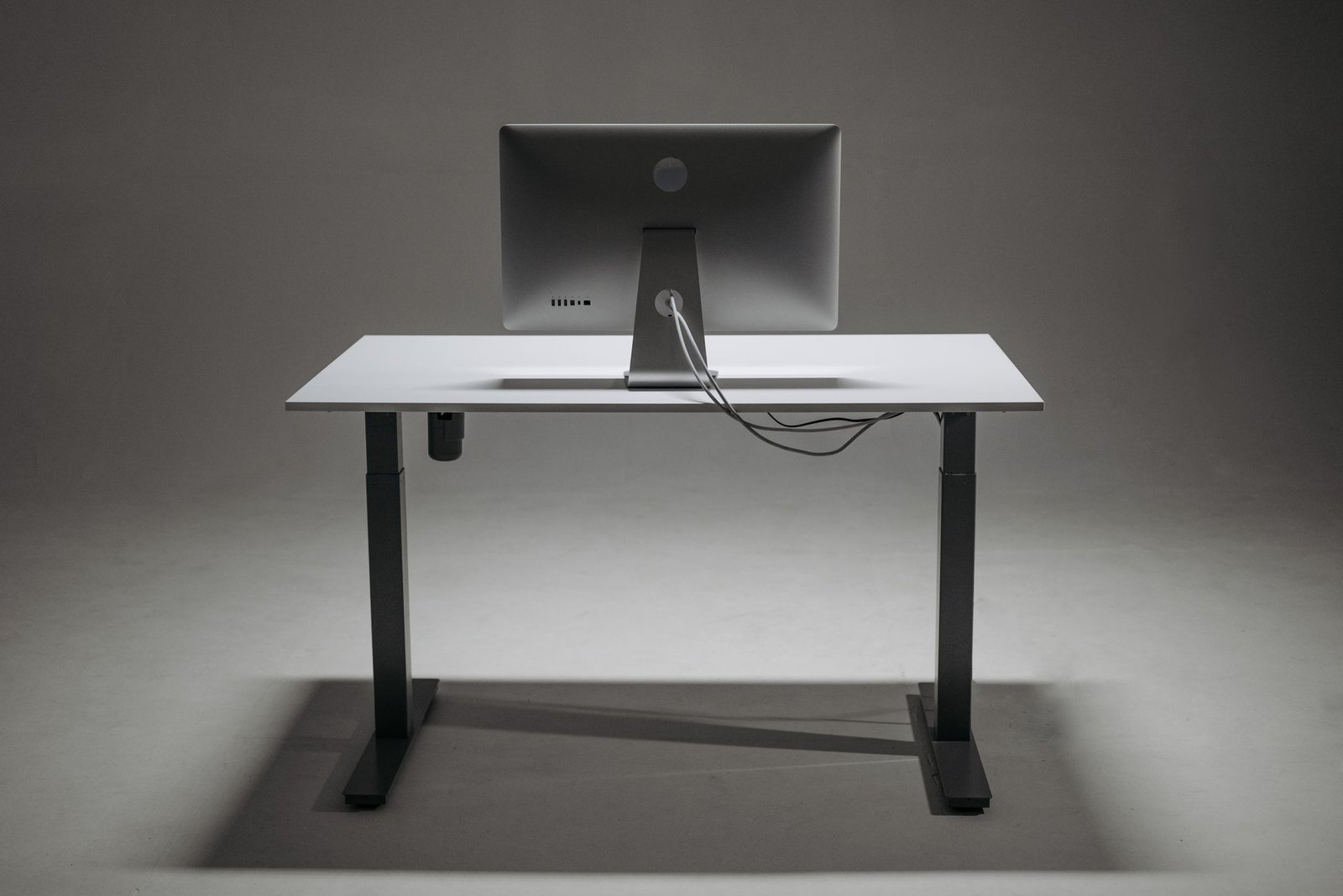
A poorly configured workstation transforms a health-promoting walking pad into a recipe for musculoskeletal strain, repetitive motion injuries, and postural degradation. Because walking introduces continuous vertical oscillation, your desk height, monitor placement, and peripheral setup require precise calibration to protect the cervical spine and wrists. The standing desk surface must be raised to a height where your elbows rest comfortably at a 90- to 100-degree angle while your wrists remain completely neutral over the keyboard. Tilting the keyboard slightly downward can prevent carpal tunnel compression and reduce extensor muscle fatigue in the forearms.
Monitor positioning represents another critical variable for avoiding neck strain while in motion. The top third of your computer screen should align directly with your eye level, positioned roughly twenty to twenty-eight inches away from your face. If your monitor sits too low, your natural tendency while walking will be to tilt your cervical spine forward, placing immense strain on the suboccipital muscles and predisposing you to tension headaches. Utilizing a monitor arm or laptop riser ensures your gaze remains forward, preserving natural spinal alignment and supporting optimal diaphragmatic breathing throughout the walking interval.
Secure a wireless ergonomic mouse and position an extended gel wrist rest directly in front of your keyboard. When walking, slight lateral sway in your upper body is normal; anchoring your wrists on a supportive pad prevents erratic cursor movement and maintains high typing accuracy.
Footwear, Gait Mechanics, and Injury Prevention
Walking indoors on a motorized treadmill belt requires different biomechanical considerations than walking on natural terrain or carpeted office floors. Walking pads often feature thinner cushioning decks compared to commercial gym treadmills to maintain a low profile and fit easily beneath adjustable desks. Consequently, walking barefoot or in stiff-soled dress shoes transmits repetitive impact shock directly up through the calcaneus, tibia, and lumbar spine. Investing in a dedicated pair of supportive, low-profile walking shoes with adequate arch support and shock absorption is essential for protecting your joints during daily office sessions.
Gait mechanics naturally alter when individuals attempt to type or read while ambulating, often resulting in shortened stride lengths, forward trunk lean, or a shuffling foot strike. To prevent repetitive strain injuries in the hip flexors and lower back, consciously focus on a heel-to-toe rolling stride. Allow your arms to swing naturally at your sides when not typing, and keep your core gently braced to support spinal stability. If you notice lower back discomfort or knee aching after the first few sessions, immediately reduce your duration and consult a physical therapist to evaluate your individual gait mechanics.
Before launching into your daily walking routine, incorporating a brief mobility priming session can drastically improve movement quality and reduce stiffness. For individuals experiencing high mental strain alongside physical tightness, reviewing strategies in this resource on 10-Minute Somatic Morning Routine for Vagus Nerve Regulation and High Cortisol Relief can help synchronize neuromuscular relaxation with physical preparation. Combining nervous system regulation with light dynamic stretching ensures your body enters the walking session loose, aligned, and ready to reap maximum metabolic rewards.
Cognitive Performance and Typing Accuracy While Walking
A common apprehension among professionals adopting under-desk walking pads is the fear of diminished cognitive output, reduced typing speed, and impaired focus during critical tasks. Clinical research investigating dual-task paradigms—performing cognitive work while simultaneously engaging in low-intensity motor tasks—reveals nuanced findings depending on walking velocity. When walking speeds are maintained below 1.5 miles per hour, executive function, memory retrieval, and creative problem-solving remain largely unaffected or even show slight improvements due to elevated cerebral blood flow.
However, tasks requiring high-precision fine motor control, such as detailed financial modeling, complex coding, or rapid transcription, can experience a temporary dip in efficiency during the initial adaptation phase. To maximize productivity, categorize your daily tasks into walking-compatible and seating-compatible buckets. Reserve your walking blocks for attending virtual video meetings where your camera is enabled or disabled, reviewing long-form strategy documents, listening to industry podcasts, and answering routine email correspondence. Save deep technical writing and complex data analysis for your dedicated seated working hours.
Furthermore, regular low-intensity movement acts as a powerful neuroprotective agent by stimulating the release of brain-derived neurotrophic factor, commonly known as BDNF. This vital protein promotes the survival of existing neurons and encourages the growth of new synaptic connections within the hippocampus, the brain region responsible for learning and memory. By breaking up sedentary blocks with twenty minutes of walking, you combat afternoon lethargy and enhance sustained cognitive stamina throughout the entire workday. The slight physical exertion serves as a natural restorative tonic for mental fatigue, leaving you sharper and more alert during afternoon hours.
Caloric Expenditure and Weight Loss Mathematics
Sustainable fat loss requires maintaining a consistent, manageable caloric deficit over an extended duration, a principle where under-desk walking pads shine. While a twenty-minute walking session at 1.4 miles per hour may only burn between 70 and 110 calories depending on body weight and metabolic rate, the cumulative arithmetic transforms over time. Factoring in the thermic effect of activity and the sustained elevation in post-exercise oxygen consumption, daily micro-walking significantly boosts non-exercise activity thermogenesis. This component of total daily energy expenditure is the most variable and modifiable factor in human metabolism.
To contextualize these numbers, consider the following weekly and monthly breakdown based on a standard 160-pound individual walking for twenty minutes twice daily:
- Daily Active Burn: 140 to 220 additional calories burned across two 20-minute sessions.
- Weekly Accumulation: 700 to 1,100 calories burned over a five-day work week.
- Monthly Impact: 2,800 to 4,400 calories burned per month, equivalent to nearly a pound of pure adipose tissue loss without dietary deprivation.
- Annual Projection: Up to 35,000 to 50,000 extra calories expended annually, permanently altering baseline energy balance.
Crucially, unlike aggressive high-intensity exercise, low-intensity walking does not trigger powerful homeostatic compensatory mechanisms such as voracious rebound hunger or unconscious reductions in spontaneous fidgeting. When individuals undergo grueling gym regimens, their bodies often unconsciously reduce non-exercise movement for the remainder of the day, neutralizing much of the caloric burn. Under-desk walking bypasses this trap entirely by directly elevating baseline movement without triggering survival-driven appetite surges, making long-term weight management remarkably frictionless.
Integrating Walking Pads into Corporate Culture
Adopting an under-desk walking pad in a shared office space or remote corporate environment requires thoughtful communication and logistical planning. Modern walking pads are engineered to operate at low decibel levels, typically ranging between 40 and 55 decibels, which is quieter than a standard office refrigerator or a normal conversation. However, floor vibrations can occasionally travel through hollow commercial flooring, causing subtle disturbances for colleagues seated directly below or adjacent to your desk. Placing a high-density rubber equipment mat beneath the walking pad effectively dampens mechanical vibrations and neutralizes ambient sound propagation.
When participating in virtual conference calls while walking, utilizing a unidirectional noise-canceling headset eliminates mechanical belt whir and footfall sounds from your audio feed. Most modern communication platforms feature advanced software-based noise suppression that successfully filters out low-frequency background hums. If your colleagues express curiosity about your setup, share the physiological benefits of breaking up sedentary time, as corporate wellness initiatives frequently embrace movement-friendly workspaces once leadership understands the positive impact on productivity and employee health markers.
For remote workers, establishing clear visual boundaries between working and walking hours prevents mental burnout and maintains ergonomic discipline. Keep your walking pad plugged into a dedicated surge protector and store your walking shoes neatly beside the desk so that transitioning into a movement block requires minimal friction. By normalizing movement as a standard component of professional knowledge work, you model sustainable health habits that elevate both personal well-being and professional output over the long term.
Troubleshooting Common Physical and Technical Hurdles
Even with optimal preparation, beginners occasionally encounter minor physical or mechanical hurdles during their first month of under-desk walking. One frequent complaint is mild shin splints or anterior tibial soreness, which typically arises from wearing excessively stiff shoes or walking with an exaggerated heel strike. To resolve this, decrease your walking speed by 0.3 miles per hour, focus on rolling smoothly through your midfoot, and ensure your walking pad’s belt lubrication is properly maintained to reduce friction and surface resistance.
Another common challenge is maintaining balance while simultaneously typing or manipulating dual monitors. If you find yourself drifting sideways or losing your footing, your walking speed is likely set too high for your current level of neuromuscular adaptation. Drop the speed down to 1.0 miles per hour and practice short five-minute intervals until your central nervous system internalizes the rhythmic cadence required for dual-tasking. Never sacrifice your posture or stability for the sake of higher speed; the goal is steady, sustainable accumulation of movement rather than cardiovascular exhaustion.
If technical issues arise, such as remote control sync failures or belt slippage, refer immediately to your manufacturer manual and perform routine tension adjustments using the provided Allen wrench. Regular silicone oil lubrication beneath the walking belt every 30 to 50 hours of use prevents motor strain, reduces operating noise, and extends the operational lifespan of your equipment. Addressing these small maintenance tasks proactively ensures your daily routine remains uninterrupted and frustration-free.
Comprehensive Protocol Comparison
To help you select the exact movement strategy that aligns with your professional demands and metabolic goals, review the comprehensive comparison table below detailing various protocols, their physiological ranges, and clinical evidence levels.
| Protocol / Intervention | Thermal / Dose Range | Primary Biomarker / Mechanism | Clinical Evidence Level | Target Population |
|---|---|---|---|---|
| 20-Min Postprandial Split Walk | 1.2 – 1.5 mph (2x 10 mins) | Postprandial glycemic clearance, GLUT4 translocation | Level 1 (Randomized Controlled Trials) | Desk workers, pre-diabetics, weight loss beginners |
| Continuous LISS Walking | 2.0 – 2.5 mph (30 – 45 mins) | Lipid oxidation, PGC-1alpha mitochondrial biogenesis | Level 1 (Clinical Cohort Studies) | Experienced walkers with standing desk setups |
| Hourly 2-Minute Micro-Walks | 1.0 mph (2 mins every 60 mins) | Lipoprotein lipase enzyme reactivation | Level 2 (Physiological Intervention Trials) | Severely sedentary individuals, back pain sufferers |
| Traditional Gym Treadmill | 3.0 – 4.0 mph (45 – 60 mins) | Maximal cardiovascular conditioning, high caloric burn | Level 1 (Epidemiological Standards) | Fitness enthusiasts with dedicated exercise hours |
Long-Term Progression and Habit Stacking
Transitioning from a complete beginner to a seasoned walking pad user requires a systematic, progressive overload framework that protects your joints and solidifies behavioral habit loops. During your first two weeks, restrict your total daily walking time to a single ten-minute block or two five-minute intervals to allow your connective tissues, tendons, and stabilizing muscles to adapt to the new mechanical demands. Resist the temptation to increase speed or duration prematurely; consistency and form preservation are far more valuable for long-term health than aggressive initial mileage.
By weeks three and four, expand your routine to the full twenty-minute protocol divided into two ten-minute post-meal sessions. Once this pattern feels entirely automatic, you can begin experimenting with habit stacking—pairing your walking blocks with specific professional triggers, such as reviewing your morning calendar, listening to required quarterly earnings calls, or clearing your daily team chat messages. For individuals managing high-functioning anxiety alongside sedentary work stress, incorporating mindfulness techniques found in this guide on 7-Day Somatic Exercise Routine for High-Functioning Anxiety and Cortisol Relief during your walking intervals can provide profound mental clarity and emotional grounding.
As you progress past your first two months, you may choose to slightly elevate your walking speed to 1.6 or 1.8 miles per hour, provided your typing accuracy and ergonomic posture remain pristine. However, keep in mind that the primary objective of an under-desk walking pad is not to replace vigorous athletic training, but rather to eliminate the toxic metabolic consequences of prolonged sitting. By maintaining this steady, low-intensity movement habit across your working career, you construct a resilient physiological foundation that protects against metabolic disease, enhances cognitive endurance, and promotes effortless weight management.
Individuals with severe vestibular disorders, peripheral neuropathy, advanced osteoarthritis of the lower extremities, or unmanaged balance impairments should consult a qualified physician before using an under-desk walking pad. Always ensure your walking pad is equipped with a functioning safety lanyard and an emergency stop mechanism.
Frequently Asked Questions
Can an under-desk walking pad really help me lose weight without changing my diet?
An under-desk walking pad increases your daily non-exercise activity thermogenesis, which elevates your total daily energy expenditure and helps create the caloric deficit necessary for weight loss. While it will not outpace a severely hypercaloric diet, integrating twenty minutes of walking daily burns significant additional calories over time and improves insulin sensitivity, making fat loss much more attainable.
What is the ideal speed for typing and working while using a walking pad?
The optimal speed for maintaining high typing accuracy and cognitive focus is between 1.2 and 1.5 miles per hour. Speeds exceeding 2.0 miles per hour introduce excessive vertical and lateral body movement, which degrades fine motor control and makes detailed keyboard work challenging.
How do I prevent lower back pain or shin splints while walking at my desk?
Lower back pain and shin splints typically stem from improper footwear, poor posture, or walking with an exaggerated heel strike. Ensure you wear supportive walking shoes, keep your standing desk at correct ergonomic elbow height, and maintain a gentle midfoot rolling stride rather than a stiff, pounding step.
Is it safe to use a walking pad during virtual video meetings?
Yes, provided your walking speed is kept slow and controlled (1.0 to 1.3 mph) to eliminate excessive upper body bobbing. Utilize a unidirectional noise-canceling headset to filter out belt hum, and position your camera correctly so your head remains stable within the video frame.
How often should I lubricate and maintain my under-desk walking pad?
Most manufacturers recommend applying specialized silicone treadmill lubricant beneath the walking belt every 30 to 50 hours of cumulative use. Regular lubrication reduces motor friction, prevents belt slipping, lowers operating noise, and significantly extends the lifespan of your equipment.