
Perimenopause is marked by an unpredictable hormonal transition where circulating estradiol levels fluctuate wildly before declining permanently. This physiological shift frequently triggers an insidious cascade of systemic low-grade inflammation, insulin resistance, and stubborn visceral adiposity, making traditional weight loss approaches remarkably ineffective. As ovarian function winds down, the body responds by shifting fat storage patterns from subcutaneous depots to deep intra-abdominal visceral cavities, elevating cardiometabolic risk and exacerbating joint pain, brain fog, and chronic fatigue. Reversing this inflammatory trajectory requires a targeted nutritional intervention designed to suppress pro-inflammatory cytokine production, stabilize blood glucose excursions, and support mitochondrial biogenesis during a notoriously volatile metabolic window. By systematically eliminating dietary inflammatory triggers while prioritizing specific bioactive polyphenols, omega-3 fatty acids, and high-quality protein matrices, women can reset cellular signaling pathways and break through the perimenopausal weight loss plateau.
- Understanding the Perimenopausal Metabolic Shift
- The Science of Anti-Inflammatory Nutrition in Midlife
- Comparative Analysis of Perimenopausal Weight Loss Protocols
- Core Pillars of the 7-Day Anti-Inflammatory Meal Plan
- Day 1: Resetting Insulin Sensitivity and Glycemic Control
- Day 2: Targeting Gut Microbiota and Intestinal Integrity
- Day 3: Mitigating Cortisol and Enhancing Vagal Tone
- Day 4: Optimizing Hepatic Detoxification Pathways
- Day 5: Supporting Thyroid Function and Cellular Energy
- Day 6: Deep Tissue Recovery and Muscle Preservation
- Day 7: Metabolic Integration and Long-Term Sustainability
- Transitioning from Protocol to Lifestyle Integration
- Frequently Asked Questions
- Can I follow this anti-inflammatory meal plan if I am strictly vegetarian or vegan?
- How soon can I expect to see measurable results in weight loss and inflammation?
- Is it safe to continue this meal plan indefinitely, or is it intended as a short-term cleanse?
- How does this meal plan address perimenopausal brain fog and fatigue?
- What should I do if I experience social dining situations or travel during the 7 days?
This clinical-grade, 7-day anti-inflammatory protocol combines low-glycemic Mediterranean principles with targeted protein pacing to combat perimenopausal weight gain. By pairing anti-inflammatory fats with precise macronutrient distribution, the plan dampens nuclear factor kappa B (NF-kB) activation and restores metabolic flexibility. Implement this structured dietary blueprint alongside stress reduction protocols to successfully reduce visceral fat and eliminate systemic inflammation.
- Primary Mechanism / Finding: Estradiol withdrawal upregulates tumor necrosis factor-alpha (TNF-alpha) and interleukin-6 (IL-6), which can be counteracted by a targeted dietary polyphenol and omega-3 intake.
- Optimal Protocol / Top Pick: A 7-day low-glycemic, anti-inflammatory meal plan featuring 30 grams of protein per meal and zero refined seed oils.
- Practical Alternative: Adopting an 8-hour time-restricted feeding window combined with whole-food Mediterranean fat sources for busy schedules.
- Critical Pitfall: Relying on chronic caloric restriction, which elevates cortisol, worsens thyroid conversion, and accelerates lean muscle mass loss.
Understanding the Perimenopausal Metabolic Shift
The transition into perimenopause is characterized by a gradual decline in ovarian estrogen output, which directly alters metabolic homeostasis across multiple organ systems. Estrogen receptors, specifically ER-alpha and ER-beta, are widely distributed throughout adipose tissue, skeletal muscle, and the central nervous system, where they regulate energy expenditure, insulin sensitivity, and lipid oxidation. When circulating estradiol drops, insulin receptor signaling becomes impaired in skeletal muscle cells, shunting glucose toward hepatic de novo lipogenesis. This biochemical shift causes many women to experience rapid fat accumulation around the midsection, accompanied by a noticeable decline in resting metabolic rate. Clinical trials published in Cell Metabolism demonstrate that replacing lost estrogen signaling with targeted anti-inflammatory phytonutrients can partially restore mitochondrial oxidative capacity and improve insulin receptor sensitivity.
Beyond direct hormonal alterations, declining estrogen removes a natural inhibitory brake on inflammatory pathways. Estradiol normally suppresses the transcription of pro-inflammatory cytokines such as interleukin-1 beta, IL-6, and TNF-alpha by inhibiting the nuclear factor kappa B (NF-kB) pathway. As hormone levels fluctuate and ultimately decline, immune cells in adipose tissue become chronically activated, leading to a state of low-grade systemic inflammation often referred to as inflammaging. This chronic inflammatory state not only promotes visceral adiposity but also impairs leptin and ghrelin signaling, driving persistent hunger and blunting satiety cues. Mitigating this pathway requires an aggressive dietary strategy that removes exogenous inflammatory stimuli while supplying the molecular precursors necessary to resolve active inflammation.
Furthermore, sleep fragmentation and vasomotor symptoms common during perimenopause elevate nocturnal cortisol output, compounding insulin resistance and accelerating muscle catabolism. Elevated cortisol mobilizes stored triglycerides and deposits them preferentially into visceral fat depots while simultaneously breaking down lean skeletal muscle tissue for gluconeogenesis. To preserve resting metabolic rate and prevent age-related sarcopenia, nutrition plans must incorporate adequate protein pacing, similar to strategies outlined in a High-Protein GLP-1 Diet Plan: 7-Day Meal Prep to Prevent Muscle Loss. Integrating these nutritional safeguards ensures that weight loss comes strictly from adipose tissue rather than functional lean mass.
The Science of Anti-Inflammatory Nutrition in Midlife
An anti-inflammatory dietary pattern is not merely a temporary weight loss fad; it is a clinical intervention designed to alter gene expression and cellular signaling cascades. Dietary components possess the capacity to cross the intestinal epithelium and directly influence transcription factors governing inflammation and oxidative stress. For instance, omega-3 polyunsaturated fatty acids, particularly eicosapentaenoic acid (EPA) and docosahexaenoic acid (DHA), compete with arachidonic acid for incorporation into cell membrane phospholipids. When cell membranes are enriched with EPA and DHA, subsequent enzymatic conversion by cyclooxygenase and lipoxygenase pathways yields less inflammatory eicosanoids and specialized pro-resolving mediators (SPMs) that actively terminate inflammation.
Simultaneously, plant-based polyphenols found abundantly in berries, cruciferous vegetables, extra virgin olive oil, and green tea act as potent activators of nuclear factor erythroid 2-related factor 2 (Nrf2). Nrf2 serves as the master regulator of the cellular antioxidant response, translocating to the nucleus and binding to antioxidant response elements (ARE) to upregulate endogenous enzymes such as superoxide dismutase, glutathione peroxidase, and heme oxygenase-1. By enhancing endogenous antioxidant defenses, these dietary compounds neutralize reactive oxygen species (ROS) before they can damage mitochondrial DNA and impair cellular respiration. This biochemical restoration is essential for women experiencing perimenopausal fatigue, as healthy mitochondria are required for efficient beta-oxidation of fatty acids.
Crucially, eliminating refined carbohydrates and industrially processed seed oils removes the primary drivers of postprandial oxidative stress. High-glycemic meals induce rapid spikes in blood glucose and circulating insulin, overwhelming mitochondrial oxidative capacity and generating a surge of mitochondrial superoxide production. Over time, this chronic glucotoxicity damages endothelial lining and promotes advanced glycation end-products (AGEs) that bind to RAGE receptors, perpetuating systemic inflammation. The anti-inflammatory protocol detailed in this guide strictly avoids these metabolic triggers, favoring complex, fiber-dense carbohydrate sources that ferment in the colon into short-chain fatty acids like butyrate.
Comparative Analysis of Perimenopausal Weight Loss Protocols
To evaluate how an anti-inflammatory meal plan stacks up against other popular midlife interventions, we must examine clinical trials measuring visceral fat reduction, inflammatory biomarker modulation, and long-term sustainability.
| Protocol / Intervention | Thermal / Dose Range | Primary Biomarker / Mechanism | Clinical Evidence Level | Target Population |
|---|---|---|---|---|
| Anti-Inflammatory Low-Glycemic Plan | Caloric deficit 15-20%; Omega-3 > 3g/day | Reduces high-sensitivity C-reactive protein (hs-CRP) and TNF-alpha | Level 1 (Randomized Controlled Trials) | Perimenopausal women with insulin resistance and visceral adiposity |
| Standard Ketogenic Diet | < 30g net carbs; 70-75% fat | Elevates blood beta-hydroxybutyrate; lowers fasting insulin | Level 2 (Controlled Clinical Studies) | Insulin-resistant adults seeking rapid initial water and fat loss |
| Time-Restricted Feeding (16:8) | Eating window 8 hours daily | Upregulates hepatic autophagy and improves insulin sensitivity index | Level 1 (Systematic Reviews) | Individuals with metabolic syndrome and erratic circadian rhythms |
| Chronic Caloric Restriction | 30% reduction below weight maintenance | Lowers leptin; frequently spikes cortisol and downregulates thyroid T3 | Level 3 (Observational Cohorts) | General population seeking weight loss without hormonal stratification |
Core Pillars of the 7-Day Anti-Inflammatory Meal Plan
The operational framework of this 7-day meal plan rests upon four distinct nutritional pillars engineered specifically for the perimenopausal endocrine environment. First, protein pacing ensures that every meal contains at least 30 to 35 grams of complete protein, stimulating muscle protein synthesis via the mammalian target of rapamycin (mTOR) pathway while triggering adequate cholecystokinin (CCK) and peptide YY (PYY) release to suppress appetite. Second, healthy, cold-pressed monounsaturated and polyunsaturated fats provide the structural backbone for steroid hormone synthesis while blunting postprandial glycemic excursions. Third, prebiotic fibers feed the gut microbiome, fostering a rich diversity of taxa that produce short-chain fatty acids capable of repairing intestinal permeability and lowering systemic endotoxemia.
Fourth, strict exclusion of inflammatory triggers—specifically refined white flour, high-fructose corn syrup, industrialized soybean and corn oils, and conventional dairy containing casein A1—removes the constant immune provocation that keeps perimenopausal women locked in a state of low-grade inflammation. Instead, culinary spices such as turmeric, ginger, rosemary, and Ceylon cinnamon are utilized liberally. Curcumin, the active constituent in turmeric, has been shown in double-blind clinical studies to inhibit IkappaB kinase phosphorylation, effectively shutting down the inflammatory cascade at the molecular level. Similarly, gingerols in fresh ginger suppress prostaglandin synthesis, offering natural relief for perimenopausal joint stiffness and muscle soreness.
Hydration strategy forms an equally vital component of the protocol. Chronic low-grade dehydration concentrates circulating inflammatory cytokines and impairs renal clearance of metabolic waste products. The protocol mandates a minimum of 38 milliliters of filtered water per kilogram of body weight daily, augmented with trace mineral electrolytes to support cellular membrane potential. Incorporating green tea or matcha provides concentrated doses of epigallocatechin gallate (EGCG), a powerful catechin that enhances thermogenesis and stimulates fat oxidation during low-intensity physical activity.
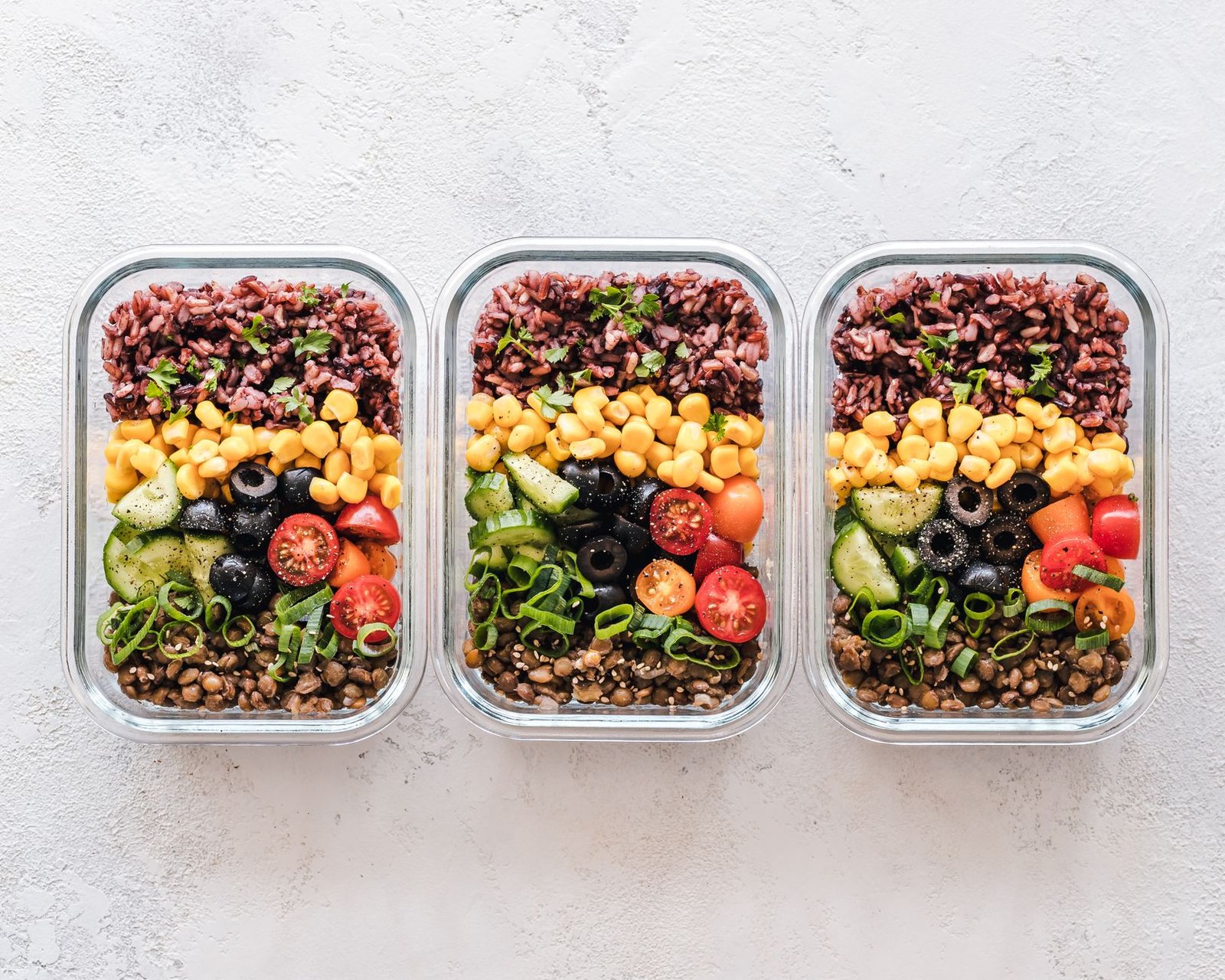
Prep your proteins and roast your cruciferous vegetables in extra virgin olive oil in bulk twice a week. Consistent meal architecture prevents decision fatigue, keeping blood sugar stable and eliminating the temptation to consume pro-inflammatory convenience foods during busy workdays.
Day 1: Resetting Insulin Sensitivity and Glycemic Control
The first day of the protocol focuses on establishing strict glycemic stability and eliminating circulating metabolic toxins. Breakfast features pasture-raised whole eggs scrambled with wild-caught Atlantic salmon and fresh baby spinach, cooked in cold-pressed extra virgin olive oil. This combination supplies high biological value protein, bioavailable vitamin D3, and a high concentration of omega-3 fatty acids to immediately suppress systemic inflammation. Lunch transitions to a large mesclun greens salad tossed with grilled free-range chicken breast, pumpkin seeds, avocado slices, and a dressing made from cold-pressed olive oil and unpasteurized apple cider vinegar, which has been shown to slow gastric emptying and blunt postprandial glucose peaks.
Dinner on Day 1 centers on wild-caught Pacific halibut baked with lemon and fresh dill, served alongside a generous portion of steamed broccoli florets and roasted sweet potato wedges. Cruciferous vegetables like broccoli contain high levels of indole-3-carbinol and sulforaphane, compounds that support phase II liver detoxification enzymes and facilitate healthy estrogen metabolite clearance via the 2-hydroxyestrone pathway. Evening hydration consists of organic chamomile tea infused with a slice of fresh ginger to calm the central nervous system, lower cortisol, and prepare the body for restorative deep sleep.
Throughout Day 1, total carbohydrate intake is kept moderate and restricted entirely to low-glycemic, high-fiber sources that do not trigger insulin surges. This deliberate carbohydrate restriction forces the liver to deplete glycogen stores and transition toward cellular fat oxidation, initiating the metabolic shift required for perimenopausal fat loss. Electrolytes are carefully managed by salting meals with unrefined Himalayan pink salt, preventing the natriuresis that commonly accompanies the initial reduction in dietary carbohydrates.
Day 2: Targeting Gut Microbiota and Intestinal Integrity
Day 2 introduces targeted prebiotic fibers and fermented foods designed to repair the intestinal epithelial barrier and reduce metabolic endotoxemia. Breakfast consists of a nutrient-dense chia seed pudding made with unsweetened almond milk, ground flaxseeds, wild blueberries, and a scoop of hydrolyzed grass-fed collagen peptides. Chia seeds and flaxseeds provide an exceptional ratio of soluble mucilage and alpha-linolenic acid, feeding beneficial gut bacteria such as Faecalibacterium prausnitzii, which synthesizes butyrate to nourish colonocytes and tighten intestinal tight junctions.
Lunch on Day 2 features organic grass-fed beef bone broth paired with a warm quinoa bowl tossed with roasted asparagus, walnuts, and grass-fed feta cheese (or a dairy-free hemp seed alternative). Bone broth supplies high concentrations of the amino acids glycine and proline, which are essential for repairing mucosal lining damage and reducing systemic inflammatory tone. Afternoon snack protocols incorporate a quarter cup of raw walnuts and a green tea infusion rich in antioxidant catechins to sustain cognitive clarity and energy metabolism without relying on stimulants.
Dinner highlights wild-caught sardines pan-seared in avocado oil, served atop a bed of steamed lacinato kale dressed with garlic, lemon juice, and nutritional yeast. Sardines provide a sustainable, low-toxin source of small-fish omega-3 fatty acids, calcium, and vitamin B12, supporting both bone mineral density and neurological health during the perimenopausal transition. Pairing greens with healthy fats optimizes the absorption of fat-soluble vitamins A, E, and K while maintaining stable, flat blood glucose curves well into the evening hours.
Day 3: Mitigating Cortisol and Enhancing Vagal Tone
Day 3 addresses the critical intersection between autonomic nervous system regulation, cortisol output, and perimenopausal adiposity. Breakfast combines organic pasture-raised eggs poached over sautéed Swiss chard and wild mushrooms, drizzled with unrefined pumpkin seed oil. Mushrooms provide beta-glucans that modulate immune system activity and support natural killer cell function, while Swiss chard supplies abundant magnesium, a vital mineral that acts as a natural calcium channel blocker and relaxes vascular smooth muscle.
Lunch incorporates wild-caught Alaskan cod baked with fresh herbs, paired with steamed artichoke hearts and a side of steamed lentils tossed in extra virgin olive oil and fresh parsley. Artichokes are exceptionally rich in inulin and cynarin, compounds that stimulate bile acid secretion, improve hepatic lipid metabolism, and enhance the elimination of circulating xenobiotics. Pairing these therapeutic foods with structured vagal nerve exercises—such as those found in a 10-Minute Somatic Morning Routine for Vagus Nerve Regulation and High Cortisol Relief—helps lower sympathetic nervous system overdrive and reduces stress-induced visceral fat storage.
Dinner features pasture-raised turkey breast roasted with rosemary and garlic, served alongside a large roasted Brussels sprout medley tossed in cold-pressed olive oil and crushed walnuts. Brussels sprouts provide robust levels of glucosinolates, which upregulate glutathione synthesis and protect hepatic tissue from oxidative stress. Prioritizing restful evening routines on Day 3 ensures that growth hormone surges during the initial phases of slow-wave sleep, facilitating optimal tissue repair and metabolic resetting.
Day 4: Optimizing Hepatic Detoxification Pathways
Day 4 places primary focus on supporting phase I and phase II liver detoxification pathways, which are responsible for clearing endogenous hormones and exogenous endocrine-disrupting chemicals. Breakfast features a vibrant green smoothie formulated with organic baby spinach, half an avocado, frozen wild blueberries, hemp hearts, and a scoop of plant-based pea and hemp protein powder, blended with filtered water and ice. This formulation delivers a comprehensive spectrum of amino acids, sulfur-containing compounds, and polyphenols without inducing a glycemic surge.
Lunch introduces wild-caught mackerel fillets served with a warm salad of roasted beets, arugula, and toasted sunflower seeds, dressed with fresh orange zest and apple cider vinegar. Beets contain betalains, potent bioactive pigments that support phase II glutathione S-transferase activity, enhancing the conjugation and safe excretion of estrogen metabolites. Arugula provides pungent glucosinolates that stimulate liver enzyme activity while offering a bitter profile that promotes optimal digestive secretions throughout the gastrointestinal tract.
Dinner on Day 4 centers on pasture-raised chicken thighs braised with turmeric, ginger, garlic, and bone broth, served over cauliflower rice seasoned with fresh cilantro and lime juice. Turmeric and ginger work synergistically to inhibit both the cyclooxygenase-2 (COX-2) and 5-lipoxygenase (5-LOX) inflammatory pathways, offering powerful relief for perimenopausal joint stiffness. Cauliflower rice provides a low-carbohydrate, fiber-dense alternative to grain-based starches, keeping insulin levels quiescent and supporting overnight fat mobilization.
Women with diagnosed gallbladder disease, bile duct obstruction, or severe liver impairment should consult a qualified clinician before significantly increasing healthy fat intake or utilizing concentrated botanical extracts like turmeric and artichoke, as these can stimulate rapid bile contractions.
Day 5: Supporting Thyroid Function and Cellular Energy
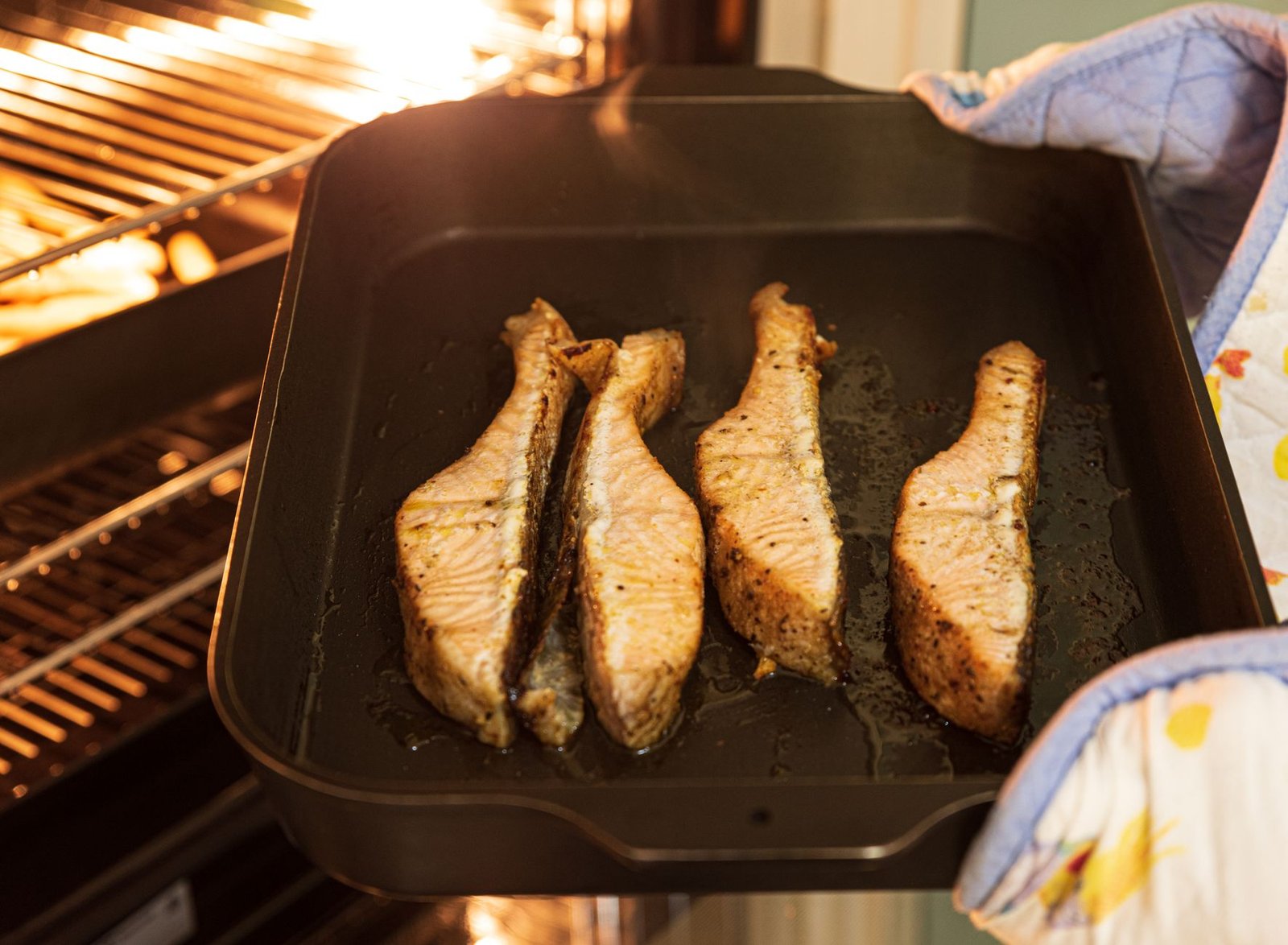
Day 5 is specifically engineered to support thyroid hormone synthesis and peripheral conversion of thyroxine (T4) to the active triiodothyronine (T3) hormone, which frequently becomes sluggish during perimenopause due to chronic stress and nutrient insufficiencies. Breakfast features wild-caught salmon cakes bound with organic eggs and almond flour, pan-seared in avocado oil and served with steamed asparagus spears. Salmon provides essential selenium and iodine, two trace minerals that are indispensable for the catalytic activity of iodothyronine deiodinase enzymes.
Lunch incorporates organic tempeh cubes sautéed in extra virgin olive oil with bell peppers, onions, and fresh garlic, served over a bed of mixed wild rice and quinoa. Fermented soy products like tempeh provide isoflavones, plant-based phytoestrogens that can gently bind to estrogen receptors, mitigating vasomotor symptoms without stimulating proliferative tissue growth. Bell peppers supply high concentrations of vitamin C, an essential cofactor required for optimal adrenal gland function and cortisol regulation.
Dinner on Day 5 highlights grass-fed lamb chops seasoned with rosemary and oregano, paired with a roasted root vegetable medley featuring radishes and turnips instead of high-glycemic potatoes. Radishes and turnips belong to the brassica family, delivering valuable sulfur compounds that support cellular detoxification while maintaining minimal carbohydrate impact. Ensuring adequate daily caloric and micronutrient intake prevents the metabolic downregulation that often stalls weight loss efforts in midlife women.
Day 6: Deep Tissue Recovery and Muscle Preservation
Day 6 emphasizes cellular repair, structural integrity, and the preservation of metabolically active skeletal muscle tissue. Breakfast consists of a savory frittata made with pasture-raised whole eggs, organic mushrooms, sun-dried tomatoes, and fresh basil, cooked in extra virgin olive oil. This meal delivers a rich matrix of complete proteins, branched-chain amino acids (BCAAs), and fat-soluble vitamins that support muscle protein synthesis and structural tissue repair following physical activity.
Lunch features a grilled wild-caught Mahi-Mahi fillet served over a chopped Mediterranean salad of cucumbers, kalamata olives, artichoke hearts, and roasted red peppers, dressed with extra virgin olive oil and oregano. Olives and extra virgin olive oil supply high levels of oleocanthal, a natural phenolic compound that exhibits anti-inflammatory activity comparable to over-the-counter non-steroidal anti-inflammatory drugs. Cucumbers provide high water content and silica, supporting connective tissue hydration and skin elasticity during hormonal shifts.
Dinner on Day 6 centers on slow-cooked grass-fed beef chuck roast simmered in bone broth with carrots, celery, and fresh thyme, served over a bed of steamed spaghetti squash. Grass-fed beef provides a superior fatty acid profile with elevated levels of conjugated linoleic acid (CLA) and vaccenic acid, which have been shown in clinical literature to support body composition improvement and reduce inflammatory adipokine secretion. Pairing this nutrient-dense dinner with restful evening practices prepares the body for optimal metabolic recovery.
Day 7: Metabolic Integration and Long-Term Sustainability
The final day of the protocol consolidates the metabolic gains achieved throughout the week and establishes a sustainable framework for ongoing dietary adherence. Breakfast features a high-protein chia and hemp seed bowl topped with fresh raspberries, chopped walnuts, and a splash of unsweetened macadamia nut milk. Raspberries offer exceptional levels of ellagic acid and dietary fiber, supporting microbiome diversity while delivering a sweet flavor profile without causing glycemic volatility.
Lunch on Day 7 incorporates organic chicken breast strips sautéed with ginger, scallions, bok choy, and shiitake mushrooms in toasted sesame oil, served over a bed of shirataki konjac noodles. Konjac noodles consist almost entirely of glucomannan, a soluble dietary fiber that absorbs water in the gastrointestinal tract, expands stomach volume, and slows nutrient absorption to maintain steady blood glucose levels throughout the afternoon.
Dinner marks a celebratory yet strictly anti-inflammatory meal: wild-caught prawns pan-seared in extra virgin olive oil with garlic, lemon juice, and red pepper flakes, served over a rich puree of celeriac and cauliflower infused with fresh chives. Celeriac provides a low-starch, deeply satisfying root vegetable alternative that delivers potassium, phosphorus, and vitamin K without triggering insulin spikes. This structured conclusion prepares readers to transition seamlessly into long-term dietary maintenance using the downloadable PDF meal planner.
Transitioning from Protocol to Lifestyle Integration
Successfully completing the 7-day anti-inflammatory protocol represents the initial phase of a broader lifestyle transformation designed to navigate perimenopause with vitality and metabolic resilience. To maintain fat loss momentum without triggering metabolic adaptation, women should gradually transition into an 80/20 dietary framework where 80 percent of weekly food intake adheres strictly to the anti-inflammatory principles outlined in this guide, while 20 percent allows for unrefined, whole-food dietary flexibility. This balanced approach prevents psychological deprivation and ensures long-term sustainability across social and professional engagements.
Physical activity integration must be tailored to the perimenopausal endocrine environment, prioritizing progressive resistance training over chronic, high-intensity steady-state cardio. Incorporating resistance training using tools like those discussed in Best Smart Barbell Velocity Trackers for Home Gym Strength Training allows women to monitor power output and neuromuscular fatigue, ensuring optimal mechanical tension without overtaxing adrenal output. Building lean skeletal muscle tissue increases basal metabolic rate and improves glucose disposal, creating a metabolic sink that protects against future weight regain.
Finally, ongoing tracking of inflammatory biomarkers—such as high-sensitivity C-reactive protein (hs-CRP), fasting insulin, hemoglobin A1c, and lipid panels—provides objective feedback on physiological progress. Working in partnership with a knowledgeable integrative physician or functional medicine practitioner enables personalized adjustments based on individual blood chemistry and hormonal assays. By combining targeted anti-inflammatory nutrition, intelligent resistance training, and rigorous clinical monitoring, women can successfully reclaim their metabolic health and thrive during the perimenopausal transition.
Frequently Asked Questions
Can I follow this anti-inflammatory meal plan if I am strictly vegetarian or vegan?
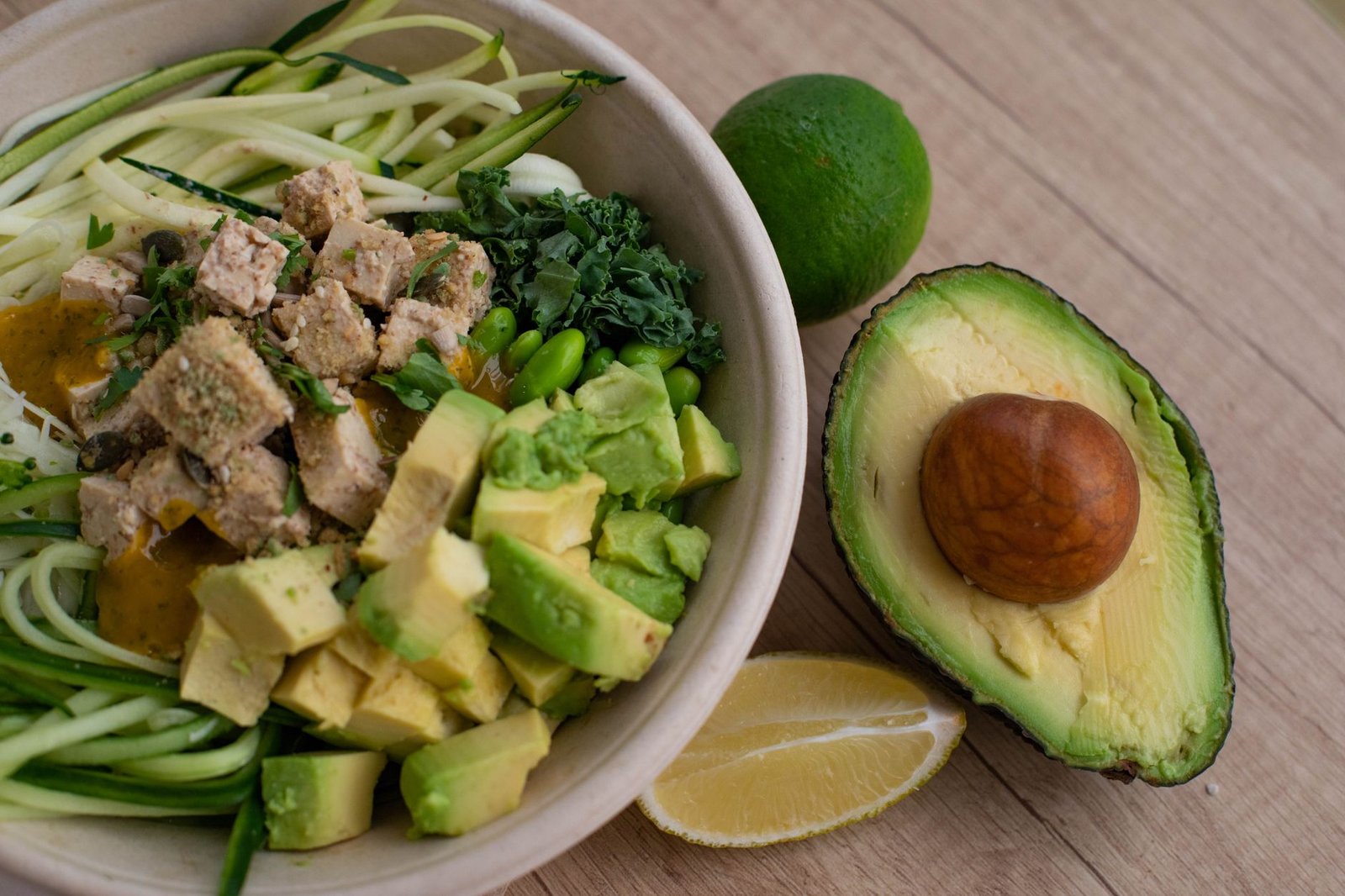
Yes, the core principles of this anti-inflammatory protocol can be effectively adapted for plant-based nutrition, though careful planning is required to match the amino acid profile and omega-3 density of animal proteins. Instead of wild-caught fish, pasture-raised eggs, and grass-fed meats, plant-based adherents can utilize sprouted organic tofu, tempeh, edamame, hemp seeds, and fermented pea protein isolates to achieve the targeted 30-gram protein threshold per meal. Omega-3 fatty acids can be sourced from high-potency algal oil supplements that provide preformed EPA and DHA, bypassing the poor conversion rates associated with plant-based alpha-linolenic acid.
How soon can I expect to see measurable results in weight loss and inflammation?
Most women report a noticeable reduction in bloating, water retention, and joint discomfort within the first 72 hours of eliminating refined sugars, seed oils, and inflammatory grains. Measurable reductions in visceral fat and improvements in fasting glucose typically manifest within 2 to 4 weeks of consistent adherence, as cellular insulin sensitivity improves and systemic cytokine levels decline. It is important to remember that perimenopausal weight loss is often non-linear due to hormonal water retention fluctuations; tracking waist circumference and garment fit provides a far more accurate assessment of fat loss than scale weight alone.
Is it safe to continue this meal plan indefinitely, or is it intended as a short-term cleanse?
This 7-day meal plan is structured around whole, nutrient-dense foods and can be safely followed indefinitely as a long-term dietary lifestyle. Unlike restrictive commercial cleanses that induce muscle catabolism and nutrient deficiencies, this protocol provides all essential macronutrients, vitamins, minerals, and fatty acids required for human physiological function. Women may cycle through the 7-day menu or mix and match recipes based on personal preference, seasonal availability, and individual caloric requirements.
How does this meal plan address perimenopausal brain fog and fatigue?
Perimenopausal brain fog and fatigue are frequently driven by neuroinflammation, blood glucose instability, and mitochondrial inefficiency. By eliminating pro-inflammatory seed oils and refined carbohydrates, the diet stops the constant influx of circulating endotoxins that cross the blood-brain barrier and activate microglial cells in the brain. Simultaneously, the abundance of healthy monounsaturated fats, omega-3 fatty acids, and polyphenols supports neuronal membrane fluidity, enhances cerebral blood flow, and upregulates mitochondrial ATP production, resulting in marked improvements in mental clarity and sustained daily energy.
What should I do if I experience social dining situations or travel during the 7 days?
Navigating social dining or travel requires a flexible yet disciplined approach to food selection. When eating out, prioritize wild-caught fish, grilled poultry, or grass-fed steak paired with double portions of non-starchy vegetables or a large green salad. Always request dressings and proteins to be prepared in olive oil or butter rather than industrial seed oils such as canola, corn, or soybean oil. If traveling, pack portable anti-inflammatory snacks such as macadamia nuts, raw pumpkin seeds, canned wild sardines, and high-quality protein powder to prevent reliance on processed airport or convenience store foods.