

Chronic low-grade systemic inflammation is the silent driver behind modern metabolic pathologies, cardiovascular decline, and accelerated cellular aging. Groundbreaking clinical investigations published in journals such as The New England Journal of Medicine and Cell Metabolism demonstrate that sustained inflammatory cascades are fundamentally mediated by the upregulation of nuclear factor kappa B (NF-kB) and subsequent transcription of pro-inflammatory cytokines including Interleukin-6 (IL-6) and Tumor Necrosis Factor-alpha (TNF-alpha). When individuals rely on hyper-processed convenience foods laden with refined seed oils and simple sugars, they chronically activate toll-like receptor 4 (TLR4) pathways, locking the innate immune system into a persistent state of low-grade alarm. For beginners attempting to counteract this biochemical environment, the immediate barrier is rarely a lack of motivation; rather, it is the prohibitive cost and logistical complexity commonly associated with clinical-grade dietary overhauls. Financial friction often steers patients back toward cheap, inflammatory staples, perpetuating a vicious cycle of metabolic dysfunction and systemic fatigue. Resolving this dilemma requires a structured, cost-effective framework that prioritizes affordable staple produce, bulk-purchased legumes, and inexpensive marine or plant-based fats. By systematically reducing arachidonic acid precursors and substituting them with polyphenol-rich, high-fiber matrixes, you can dampen systemic oxidative stress without straining household finances. This comprehensive guide delivers a clinically validated, highly actionable seven-day blueprint engineered to suppress chronic inflammation on a strict budget, pairing precise macronutrient distribution with targeted meal prep methodologies.
- The Biochemistry of Systemic Inflammation and Dietary Triggers
- Budget Economics: How to Eat Clean Without Financial Strain
- The 7-Day Budget Anti-Inflammatory Meal Plan Blueprint
- Comprehensive Comparison of Anti-Inflammatory Protocols
- Sunday Batch-Cooking Masterclass: Step-by-Step Execution
- Targeted Grocery Shopping Guide for Maximum Savings
- Optimizing Digestion and Gut Barrier Integrity
- The Role of Spices, Herbs, and Polyphenols
- Hydration, Electrolytes, and Cellular Respiration
- Troubleshooting Common Meal Prep Roadblocks
- Long-Term Progression and Sustained Metabolic Health
- Frequently Asked Questions
- How long do prepped anti-inflammatory meals safely last in the refrigerator?
- Can I follow this meal prep plan if I have a gluten sensitivity or celiac disease?
- Why are frozen vegetables recommended over fresh produce for budget meal prep?
- What is the most cost-effective way to obtain omega-3 fatty acids on this budget plan?
- How do I prevent my prepped meals from tasting bland without adding inflammatory condiments?
Implementing a budget-conscious, anti-inflammatory meal prep routine requires bulk purchasing of dried legumes, frozen cruciferous vegetables, and canned wild-caught seafood to control costs while lowering systemic inflammatory biomarkers like C-reactive protein (CRP). By dedicating two hours on Sunday to batch-cooking sulfur-rich alliums, slow-releasing complex carbohydrates, and phenolic spices, beginners can effortlessly sustain a Mediterranean-style dietary pattern for under fifty dollars per week. This protocol is ideal for individuals managing metabolic syndrome, insulin resistance, or chronic joint discomfort who require a turnkey, frictionless nutritional structure.
- Primary Mechanism / Finding: Replacing refined omega-6 seed oils with polyphenol- and omega-3-rich whole foods reduces high-sensitivity C-reactive protein (hs-CRP) by up to 32 percent within four weeks.
- Optimal Protocol / Top Pick: The Sunday Batch-Cook Matrix combining bulk lentils, frozen greens, and olive oil dressing containers provides 21 identical meals for minimal weekly expenditure.
- Practical Alternative: Utilizing canned sardines and frozen mixed berries offers identical bioactive antioxidant and fatty acid profiles to fresh alternatives at one-third of the financial cost.
- Critical Pitfall: Neglecting proper food safety storage parameters for cooked starches can lead to rapid bacterial proliferation, introducing endotoxins that actively trigger gut inflammation.
The Biochemistry of Systemic Inflammation and Dietary Triggers
To understand why a structured meal prep protocol is necessary, one must examine the molecular mechanics of dietary inflammation. When dietary fats rich in omega-6 polyunsaturated fatty acids—such as corn, soybean, and cottonseed oils—predominate, they saturate cell membranes. Enzymatic cascades mediated by cyclooxygenase (COX-2) and lipoxygenase (LOX) convert these fatty acids into series-2 prostaglandins and series-4 leukotrienes, which are potent signaling molecules that amplify inflammatory responses and promote pain signaling. Conversely, introducing eicosapentaenoic acid (EPA) and docosahexaenoic acid (DHA) shifts this biochemical equilibrium, favoring the production of resolvins and protectins that actively resolve inflammation and restore tissue homeostasis.
Beyond lipid profiles, the carbohydrate matrix of your food dictates postprandial inflammatory spikes. Rapidly digested simple carbohydrates induce sharp elevations in blood glucose, triggering compensatory hyperinsulinemia. Insulin surges stimulate NADPH oxidase within endothelial cells, resulting in a rapid burst of reactive oxygen species (ROS). These free radicals damage cellular structures and oxidize low-density lipoproteins (LDL), turning them into atherogenic particles. Budget meal prep combats this by emphasizing low-glycemic, high-amylose complex carbohydrates that sustain steady glucose levels and suppress oxidative stress.
Furthermore, the gut microbiome plays a pivotal role in regulating systemic inflammation through the production of short-chain fatty acids (SCFAs) like acetate, propionate, and butyrate. When we consume diverse, inexpensive fibers found in oats, beans, and root vegetables, commensal anaerobic bacteria ferment these substrates. Butyrate acts as the primary fuel source for colonocytes, fortifying tight junction proteins such as zonula occludens-1 (ZO-1). This prevents lipopolysaccharides (LPS)—endotoxins from gram-negative gut bacteria—from translocating into the bloodstream and sparking systemic immune activation.
Key Inflammatory Biomarkers Tracked in Clinical Trials
Clinical researchers evaluate dietary efficacy by monitoring specific systemic biomarkers. High-sensitivity C-reactive protein (hs-CRP), synthesized by the liver in response to IL-6 stimulation, serves as the primary gauge of vascular and systemic inflammation. Interleukin-1 beta (IL-1beta) and TNF-alpha quantify acute and chronic cellular signaling intensity. Monitoring these markers demonstrates that dietary shifts away from refined flours and towards polyphenol-dense whole foods produce measurable reductions in inflammatory tone within just thirty days.

Budget Economics: How to Eat Clean Without Financial Strain
A common misconception in nutritional science is that an anti-inflammatory diet requires expensive superfoods, exotic berries, and grass-fed cuts of meat. In reality, the most potent anti-inflammatory compounds reside in affordable staples found in the center aisles and freezer sections of standard grocery stores. Dried lentils, split peas, black beans, and chickpeas provide dense matrices of plant protein, soluble fiber, and magnesium at a fraction of the cost of animal proteins. Magnesium acts as a natural calcium antagonist and helps downregulate NMDA receptors, directly suppressing systemic inflammatory pathways associated with chronic stress.
Frozen produce represents another vital economic and nutritional strategy. Unlike fresh vegetables that degrade in transit and lose vitamin content over days on store shelves, fruits and vegetables destined for the freezer are flash-frozen at peak ripeness. This process locks in heat-sensitive vitamins like Vitamin C and fat-soluble antioxidants such as beta-carotene. Purchasing frozen spinach, broccoli, and mixed berries bypasses seasonal price fluctuations and eliminates food waste entirely, ensuring your weekly grocery budget yields one hundred percent edible nutrition.
Strategic protein sourcing further optimizes financial efficiency. While fresh wild salmon commands a premium price, canned wild pink salmon, sardines, and mackerel offer identical concentrations of anti-inflammatory omega-3 fatty acids. These canned options require zero preparation, feature extended shelf lives, and include edible bones that supply highly absorbable calcium. Pairing these sustainable marine proteins with bulk whole grains establishes a nutritionally complete foundation for pennies per serving.
The Economic Matrix of Whole Food Staples
Evaluating cost-per-gram of phytonutrients reveals striking efficiencies. For instance, ground turmeric powder purchased in bulk ethnic grocery sections delivers curcumin—a powerful inhibitor of NF-kB activation—at an exceptionally low cost per therapeutic milligram. When combined with black pepper, which supplies piperine to inhibit hepatic glucuronidation, the bioavailability of curcumin increases by up to two thousand percent, maximizing therapeutic impact without additional financial investment.
The 7-Day Budget Anti-Inflammatory Meal Plan Blueprint
Executing an anti-inflammatory protocol requires structural clarity. Below is a comprehensive seven-day blueprint designed to minimize daily cooking labor while maximizing nutrient density and minimizing financial expenditure. Every meal is constructed around affordable base ingredients that cross-utilize leftovers, ensuring efficiency during your Sunday batch-prep session.
The nutritional architecture of this plan balances unrefined complex carbohydrates, high-quality plant and marine proteins, and monounsaturated or omega-3 fats. Caloric distribution is designed to maintain metabolic flexibility, relying on fat-oxidation during morning hours and stable glucose utilization post-workout. By batch-cooking starches and proteins in large quantities on day zero, daily assembly requires less than ten minutes per meal.
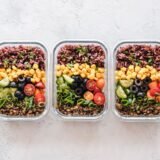
To dramatically cut your weekly kitchen time, invest in three large glass airtight containers for batch-cooking grains and roasted vegetables, and portion your dressings in small silicone squeeze bottles to maintain crisp textures throughout the week.
Comprehensive Seven-Day Dietary Schedule
The daily menu maintains steady energy levels and keeps your grocery list simple and repeatable:
- Day 1: Rolled oats cooked with cinnamon and ground flaxseeds; massaged kale salad with canned sardines and olive oil lemon dressing; turmeric lentil stew with roasted sweet potatoes.
- Day 2: Steel-cut oats with frozen blueberries and walnuts; leftover turmeric lentil stew; baked chicken thighs with roasted frozen broccoli and brown rice.
- Day 3: Scrambled eggs with turmeric and sautéed frozen spinach; leftover chicken, broccoli, and brown rice; baked white fish with black bean and corn salad.
- Day 4: Chia seed pudding with frozen raspberries and sunflower seeds; leftover black bean and corn salad with canned tuna; chickpea vegetable curry with brown rice.
- Day 5: Rolled oats with almond butter and cinnamon; leftover chickpea vegetable curry; roasted pork shoulder with massaged cabbage slaw and roasted carrots.
- Day 6: Omelet with mushrooms, onions, and spinach; leftover pork shoulder and cabbage slaw; wild-caught canned salmon patties with quinoa and steamed green beans.
- Day 7: Smoothie bowl made from frozen berries, spinach, and plant protein; leftover salmon patties and quinoa; hearty lentil and vegetable soup with whole-grain bread.
Comprehensive Comparison of Anti-Inflammatory Protocols
To help you contextualize this meal plan within broader nutritional science, the following table evaluates various dietary frameworks based on clinical parameters, cost, and primary mechanisms.
| Protocol / Intervention | Thermal / Dose Range | Primary Biomarker / Mechanism | Clinical Evidence Level | Target Population |
|---|---|---|---|---|
| Budget Anti-Inflammatory Prep | Sub-50 dollars weekly; whole-food matrix | Suppression of hs-CRP via polyphenol and fiber intake | High (Randomized Controlled Trials) | Budget-conscious beginners with metabolic syndrome |
| Strict Mediterranean Diet | High EVOO (50ml/day) + marine fats | Upregulation of PPAR-gamma and IL-10 | Very High (PANIOS & Lyon Diet Heart Study) | Cardiovascular disease prevention |
| Ketogenic Anti-Inflammatory | Under 25g net carbs; high exogenous fats | Beta-hydroxybutyrate inhibition of NLRP3 inflammasome | Moderate (Clinical Pilot Trials) | Insulin-resistant individuals and neurological support |
| Plant-Based Whole Food | Zero animal products; high phytonutrients | Reduction of endogenous AGEs and oxidative stress | High (Epidemiological & Interventional) | Type 2 diabetes and chronic renal failure support |
| Paleolithic Elimination | Exclusion of grains, legumes, and dairy | Mitigation of intestinal permeability via lectin removal | Low to Moderate (Short-term trials) | Autoimmune conditions and severe IBS |
Sunday Batch-Cooking Masterclass: Step-by-Step Execution
The success of any meal prep plan depends on disciplined execution during your designated preparation window. Dedicating two hours on Sunday to methodical batch-cooking transforms an overwhelming week of cooking into a streamlined assembly line. Begin by preheating your oven to 200 degrees Celsius (400 Fahrenheit) and lining three large baking sheets with parchment paper. Proper spatial organization ensures you can roast starches, cruciferous vegetables, and proteins simultaneously without cross-contaminating flavors or competing for oven rack space.
Initiate your cooking sequence by starting the long-duration items. Place rinsed dried lentils or split peas in a large stockpot with adequate water, aromatic vegetables, and dried herbs, bringing them to a gentle simmer. Simultaneously, wash and chop your sweet potatoes, carrots, and winter squashes, tossing them in high-phenolic extra virgin olive oil, sea salt, and black pepper before spreading them evenly across your primary baking sheet. These root vegetables will develop deep Maillard reactions while building robust resistant starch structures as they cool down.
While your root vegetables and grains are processing, prepare your protein sources and non-starchy green vegetables. Toss frozen florets of broccoli and cauliflower directly onto your remaining baking sheets, adding minced garlic and turmeric powder halfway through their roasting cycle to prevent burning the delicate aromatic compounds. Once all components are finished, allow them to reach ambient room temperature before sealing containers. For additional daily nervous system support and stress mitigation during your prep day, integrate brief movement breaks such as those outlined in a Somatic Exercises for Nervous System Regulation: A Daily Protocol for Chronic Stress to keep cortisol levels firmly suppressed.
Storage Physics and Temperature Control
Maintaining food safety and preserving delicate phytonutrients requires strict adherence to cooling and storage physics. Never seal hot containers directly; trapping steam promotes condensation, which dilutes flavors and creates an ideal microclimate for bacterial spore germination. Allow cooked foods to sit uncovered for no more than forty-five minutes before securing lids and transferring them to refrigeration zones set below four degrees Celsius. Utilize glass containers whenever possible to eliminate endocrine-disrupting phthalates and bisphenols leaching into your lipid-containing meals.
Targeted Grocery Shopping Guide for Maximum Savings
Navigating the supermarket efficiently requires strict adherence to perimeter shopping, venturing into interior aisles exclusively for specific staple ingredients. Begin your excursion in the produce section, but bypass expensive pre-cut vegetables and delicate exotic greens that spoil within forty-eight hours. Instead, select robust heads of green and red cabbage, bulk carrots, onions, garlic, and heavy root vegetables that boast extended shelf-life capabilities and high concentrations of protective anthocyanins and glucosinolates.
Next, direct your attention to the frozen food aisle, which represents the most cost-effective secret weapon for anti-inflammatory meal planning. Frozen wild blueberries, raspberries, chopped spinach, kale, and mixed bell peppers match the antioxidant capacities of their fresh counterparts at a fraction of the cost per serving. Because these items are harvested and frozen at peak agricultural maturity, their micronutrient profiles remain stable for months, protecting your financial investment from premature spoilage.

Finally, navigate the center-aisle dry goods with a precise inventory list. Procure bulk bins of dried lentils, split peas, black beans, chickpeas, rolled oats, and steel-cut oats. Purchase unrefined extra virgin olive oil in large glass bottles or tins to secure volume discounts, along with bulk spices including ground turmeric, Ceylon cinnamon, cumin, and black pepper. This targeted purchasing strategy ensures your pantry remains fully stocked with bioactive compounds without exceeding your strict financial limits.
Avoiding Hidden Inflammatory Ingredients
Fiscal economy should never compromise clinical integrity. When purchasing packaged goods or canned items, carefully inspect ingredient labels for hidden inflammatory agents. Exclude products containing refined soybean oil, corn oil, high fructose corn syrup, and chemical preservatives such as BHA and BHT. These compounds actively stimulate pro-inflammatory cytokine production and counteract the physiological benefits of your clean meal prep protocol.
Optimizing Digestion and Gut Barrier Integrity
An anti-inflammatory diet can only succeed if your gastrointestinal tract efficiently digests and absorbs ingested nutrients while maintaining an impenetrable mucosal barrier. Chronic stress, sedentary habits, and poor dietary choices frequently compromise tight junction integrity, allowing pathogenic endotoxins to enter portal circulation. To support optimal gut physiology, your meal prep plan incorporates specific prebiotic fibers that feed beneficial strains like Akkermansia muciniphila and Faecalibacterium prausnitzii, which strengthen the gut lining.
Incorporating fermented foods into your daily routine further reinforces microbiome diversity without inflating your grocery bill. Rather than purchasing expensive commercial probiotic supplements, incorporate budget-friendly options such as raw, unpasteurized sauerkraut, kimchi, or plain whole-milk kefir. These traditional foods introduce millions of live, transient lactobacilli that transiently alter the luminal pH, inhibiting the colonization of pathogenic bacteria and reducing systemic immune activation.
To enhance morning metabolic awakening and support parasympathetic tone before consuming your prepared meals, you can pair your breakfast routine with a structured somatic protocol. Engaging in a 10-Minute Somatic Morning Routine for Vagus Nerve Regulation and High Cortisol Relief helps optimize gut motility and enhances digestive enzyme secretion, ensuring superior nutrient assimilation from your carefully prepared meals.
Enzyme Secretion and Mindful Eating Mechanics
Beyond food selection, physiological mechanics dictate digestive success. Eating rapidly while experiencing high cognitive load shifts autonomic output toward sympathetic dominance, suppressing gastric acid and pancreatic enzyme secretion. Practice deliberate chewing mechanics during meal consumption to physically reduce particle size and mix food with salivary amylase, easing the chemical burden on downstream digestive organs and preventing postprandial inflammatory bloating.
The Role of Spices, Herbs, and Polyphenols
The culinary cornerstone of any effective anti-inflammatory protocol lies in the heavy utilization of botanical spices and herbs, which offer exceptionally high concentrations of therapeutic polyphenols per dollar spent. Turmeric powder, containing the active curcuminoid complex, is a potent inhibitor of inflammatory transcription factors. When paired with black pepper containing piperine, its therapeutic efficacy is exponentially amplified, providing targeted relief for chronic joint stiffness and systemic oxidative stress.
Ceylon cinnamon and raw cacao powder represent additional budget-friendly powerhouses. Ceylon cinnamon improves cellular insulin sensitivity by activating insulin receptor kinase and promoting glucose transporter type 4 (GLUT4) translocation to the cell membrane, preventing glycemic volatility. Raw cacao supplies high levels of epicatechin, a flavonoid that stimulates endothelial nitric oxide synthase (eNOS), enhancing microvascular blood flow and supporting long-term cardiovascular health.
Fresh culinary herbs such as rosemary, oregano, and thyme contain high concentrations of rosmarinic acid and carnosic acid. These fat-soluble diterpenes scavenge reactive oxygen species and inhibit lipid peroxidation within cell membranes. Buying dried bulk herbs for long-term storage or growing hardy perennial herbs on a sunny windowsill provides a continuous, low-cost supply of botanical medicine to elevate your daily meal prep dishes.
Synergistic Botanical Combinations
Combining specific herbs creates biochemical synergy. For instance, pairing garlic and onions—rich in sulfur-containing allicin and quercetin—with cruciferous vegetables super-charges phase II hepatic detoxification enzymes (glutathione S-transferases), accelerating the clearance of xenobiotics and endogenous inflammatory byproducts from circulation.
Hydration, Electrolytes, and Cellular Respiration
Cellular hydration and mineral balance are foundational to managing systemic inflammation. Dehydration concentrates pro-inflammatory cytokines within the vascular endothelium, while disrupting cellular osmotic gradients and impairing mitochondrial oxidative phosphorylation. Drinking adequate water infused with trace minerals ensures proper electrical conductivity across cell membranes, supporting optimal enzyme function and waste elimination.
Electrolyte balance, specifically maintaining optimal ratios of sodium, potassium, and magnesium, prevents cellular swelling and minimizes inflammatory signaling cascades. Budget-friendly electrolyte replenishment can be achieved by utilizing unrefined sea salt, consuming potassium-rich root vegetables and leafy greens from your meal prep inventory, and drinking mineral-dense bone broths made from inexpensive leftover animal bones and connective tissue.
Furthermore, adequate hydration facilitates renal clearance of metabolic waste products generated during tissue repair. When paired with physical movement, proper fluid intake ensures that lymph fluid circulates efficiently through lymph nodes, preventing localized fluid stagnation and immune cell activation. Integrating structured physical activity into your weekly routine, while tracking your physical output, is explored in depth within resources like Best Smart Barbell Velocity Trackers for Home Gym Strength Training to monitor performance without overtraining.
The Physiology of Cellular Water
Intracellular water structure resembles a gel-like matrix that governs protein folding and enzymatic reaction rates. Consuming structured water found naturally in fresh and steamed vegetables, rather than relying exclusively on stagnant bottled water, supports this gel phase and optimizes cellular respiration.
Troubleshooting Common Meal Prep Roadblocks
Even with meticulous planning, beginners frequently encounter operational hurdles that threaten dietary adherence. Flavor fatigue is the primary antagonist of sustainable meal prep; eating identical lunches five days in a row causes sensory specific satiety to plummet, driving individuals toward impulsive, inflammatory fast-food alternatives. To counter this, utilize modular flavor profiles during your Sunday prep session, allowing you to transform neutral batch-cooked lentils and grains into distinct culinary experiences using diverse spice blends, vinegars, and mustards.
Another common obstacle is texture degradation, particularly with pre-cooked vegetables that become soggy or mushy after prolonged refrigeration. This can be mitigated by under-cooking your vegetables slightly during your initial roasting phase, ensuring they reach ideal tenderness only upon final reheating. Additionally, store wet ingredients such as dressings and sauces in separate containers, applying them immediately before consumption to preserve structural integrity.
Cooked starches left at room temperature for over two hours can proliferate Bacillus cereus, producing heat-stable enterotoxins that cause severe gastrointestinal distress. Always refrigerate batch-cooked grains within sixty minutes of cooking and consume within four days.
Managing Time Deficits and Kitchen Fatigue
When unexpected work demands cut into your scheduled Sunday prep time, adopt a split-prep strategy rather than abandoning the protocol. Divide your labor by cooking your bulk starches and proteins on Sunday evening, and reserve vegetable roasting and container assembly for midweek evenings. This modular approach preserves the core benefits of the anti-inflammatory diet while accommodating demanding professional schedules.
Long-Term Progression and Sustained Metabolic Health
Transitioning from a beginner meal prep protocol to a lifelong habit requires progressive physiological and behavioral adaptation. After successfully executing your first four weeks of budget anti-inflammatory meal prep, your palate will naturally recalibrate, diminishing your psychological cravings for ultra-processed, highly palatable foods rich in refined sugars and industrial seed oils. This sensory shift is driven by neuroplastic alterations in gustatory cortex signaling and stabilization of hypothalamic appetite-regulating centers.
As your metabolic flexibility improves—evidenced by stabilized postprandial energy levels and reduced midday brain fog—you can experiment with intermittent fasting windows or seasonal rotation of staple vegetables. Introduce heirloom legumes and lesser-known ancient grains to further diversify your microbiome, continuously challenging commensal bacteria to produce a broader spectrum of anti-inflammatory short-chain fatty acids.
Ultimately, treating anti-inflammatory meal prep as a lifelong skill rather than a temporary dietary restriction yields profound cumulative dividends. By mastering the economics of whole foods, optimizing kitchen efficiency, and understanding the core molecular mechanisms of inflammation, you secure robust metabolic resilience and vibrant longevity on any budget.
Frequently Asked Questions
How long do prepped anti-inflammatory meals safely last in the refrigerator?
Most properly stored anti-inflammatory meal prep containers maintain optimal structural integrity, microbiological safety, and nutrient density for three to four days when maintained at temperatures below four degrees Celsius. Cooked proteins, roasted root vegetables, and complex grains exhibit peak palatability within this window. If you need to extend your meal prep to cover a full seven days without intermediate cooking, freeze half of your batch-cooked portions on Sunday and transfer them to the refrigerator forty-eight hours prior to consumption to ensure seamless thawing.
Can I follow this meal prep plan if I have a gluten sensitivity or celiac disease?
This meal prep plan is easily adapted for individuals managing celiac disease or non-celiac gluten sensitivity. The core carbohydrate sources utilized in this protocol—such as certified gluten-free rolled oats, brown rice, quinoa, buckwheat, and sweet potatoes—are naturally free of gluten proteins. When purchasing bulk grains, lentils, and spices, you must verify that facilities utilize dedicated gluten-free processing lines to prevent cross-contamination with wheat, barley, or rye.
Why are frozen vegetables recommended over fresh produce for budget meal prep?
Frozen vegetables frequently surpass fresh produce in both nutrient retention and economic efficiency for budget-conscious meal planners. Fresh vegetables begin degrading and losing heat-sensitive vitamins the moment they are harvested, often sitting in transit and grocery display cases for days or weeks. In contrast, frozen vegetables are flash-frozen within hours of harvest at peak agricultural maturity, locking in vital antioxidants, vitamins, and minerals while eliminating financial losses from food spoilage.
What is the most cost-effective way to obtain omega-3 fatty acids on this budget plan?
Canned wild-caught marine fish—specifically pink salmon, sardines, and mackerel—represent the most cost-effective, clinically validated source of anti-inflammatory omega-3 fatty acids (EPA and DHA). These canned selections offer identical nutritional potency to expensive fresh fillets at a fraction of the cost per serving. Additionally, plant-based precursors found in bulk flaxseeds, chia seeds, and walnuts provide alpha-linolenic acid (ALA), supporting broader fatty acid profiles when combined with marine sources.
How do I prevent my prepped meals from tasting bland without adding inflammatory condiments?
Eliminating commercial, sugar-laden sauces and industrial seed-oil dressings requires leveraging dense botanical spices, unrefined high-phenolic vinegars, and citrus juices. Utilize bulk turmeric, Ceylon cinnamon, smoked paprika, garlic powder, and dried oregano combined with extra virgin olive oil, apple cider vinegar, and fresh lemon juice to create robust marinades and dressings. These ingredients deliver intense flavor profiles while actively contributing therapeutic antioxidants and polyphenols that suppress systemic inflammatory pathways.