
Modern knowledge work enforces a physiological paradox that places sedentary professionals at high risk for metabolic dysfunction, sarcopenia, and accelerated cardiometabolic decline. When we chain ourselves to ergonomic task chairs for eight to ten hours a day, skeletal muscle tissue effectively goes to sleep, switching off the molecular sensors that regulate glucose disposal, lipid oxidation, and protein synthesis. Landmark epidemiological investigations published in The Lancet and the New England Journal of Medicine demonstrate that even if you perform a strenuous forty-five-minute workout in the morning, remaining completely sedentary for the rest of the day obliterates your insulin sensitivity and blunts your basal metabolic rate. This phenomenon, often termed the active couch potato syndrome, proves that physical activity cannot simply be crammed into a single daily session; it requires continuous, micro-dosed movement patterns integrated directly into your professional workflows.
- Comprehensive Protocol Comparison for Workplace Fitness
- The Cellular Pathology of Prolonged Sitting
- Protocol 1: Isometric Muscle Holds for Stealthy Hypertrophy
- Protocol 2: The Soleus Pushup and Glucose Disposal Mechanics
- Protocol 3: Under-Desk Ergonomic Pedaling and NEAT Amplification
- Protocol 4: The Sit-Stand Oscillation Strategy
- Protocol 5: Core Bracing and Deep Abdominal Vacuum Techniques
- Protocol 6: Pacing and Dynamic Posture During Audio Calls
- Protocol 7: Scapular Retractions and Upper Back Armor Building
- The 4-Week Progressive Integration Blueprint
- Biochemical Tracking and Objective Validation
- Frequently Asked Questions
- Can you actually build noticeable muscle mass without lifting heavy weights at the gym?
- Will performing stealthy movements at my desk distract my coworkers or look unprofessional?
- How many total calories can I realistically burn per day using these desk protocols?
- Are there any risks of developing repetitive strain injuries from desk micro-movements?
- How do I remember to perform these movements amidst a chaotic workday filled with meetings and deadlines?
For decades, traditional corporate wellness programs prescribed pathetic token remedies like wrist rolls, seated spinal twists, and brief hallway strolls that failed to generate any meaningful physiological adaptation. These superficial routines ignore the fundamental reality of human biology: skeletal muscle makes up roughly forty percent of your total body mass and serves as the primary endocrine organ responsible for glucose clearing and metabolic regulation. To genuinely combat the cellular stagnation of desk work, we must bypass traditional gym constructs and look toward covert micro-movements, non-exercise activity thermogenesis (NEAT), and isometric tension mechanics that require zero equipment, zero outfit changes, and zero awkward social friction in an open-plan office. By understanding the underlying enzyme cascades and signaling pathways of muscle contraction, you can transform your workspace into a stealthy metabolic laboratory without ever looking away from your dual-monitor setup.
Integrating these stealthy movement protocols requires a systemic paradigm shift in how you structure your workday, balancing cognitive focus with biological preservation. As you optimize your physical output at the desk, it is equally vital to track recovery metrics and monitor physiological stressors using objective data tools, much like evaluating an Oura Ring vs Apple Watch for Sleep Apnea Detection: Which Smart Wearable Actually Saves Lives to ensure your nervous system is recovering adequately from sustained cognitive and physical demands. Furthermore, maintaining high-level productivity alongside metabolic enhancement relies on preserving long-term neurological resilience, which connects directly to broader lifestyle interventions explored in Cognitive Health and Neuroplasticity: Lifestyle Factors That Maintain Brain Health Across Decades. Let us examine the exact physiological mechanisms, tactical blueprints, and progressive protocols that allow you to build dense muscle tissue and incinerate stubborn fat while answering emails and reviewing spreadsheets.
To reverse desk-induced metabolic decline without disrupting your workday, combine hourly sub-maximal isometric contractions, under-desk pedal architecture, and frequent bouts of non-exercise activity thermogenesis. These stealthy protocols activate GLUT4 translocation, spike resting energy expenditure by up to 300 calories daily, and stimulate muscle protein synthesis without requiring gym clothes or leaving your chair.
- Primary Mechanism / Finding: Continuous micro-contractions trigger AMPK activation and increase daily energy expenditure by 200 to 400 calories.
- Optimal Protocol / Top Pick: Seated isometric leg extensions paired with under-desk elliptical pedaling for 45-minute blocks.
- Practical Alternative: Standing desk transitions every 30 minutes combined with bodyweight calf raises during phone calls.
- Critical Pitfall: Maintaining static postural slouching while attempting stealth movements, which compresses the lumbar spine and inhibits gluteal recruitment.
Comprehensive Protocol Comparison for Workplace Fitness
| Protocol / Intervention | Thermal / Dose Range | Primary Biomarker / Mechanism | Clinical Evidence Level | Target Population |
|---|---|---|---|---|
| Under-Desk Elliptical Pedaling | 45 mins/day at low-to-moderate cadence | Upregulates GLUT4 expression and basal lipid oxidation | Randomized Controlled Trial (Level I) | Sedentary desk workers with insulin resistance |
| Seated Isometric Muscle Holds | 10-second maximal contractions, 10 reps/hour | Triggers intramuscular calcium influx and local AMPK signaling | Clinical Pilot Study (Level II) | Professionals in open-plan offices needing absolute stealth |
| Standing Desk Calf Raises | 3 sets of 25 repetitions every hour | Engages soleus muscle pump, clearing postprandial glucose | Physiological Crossover Trial (Level II) | Desk workers utilizing adjustable sit-stand workstations |
| Pacing During Phone Calls | 15 minutes per hour of continuous slow walking | Increases NEAT, stabilizing 24-hour glycemic variability | Epidemiological Cohort (Level II) | Knowledge workers with frequent audio-only meetings |
| Seated Pelvic Tilts & Core Bracing | Continuous postural tension intervals | Activates transversus abdominis and deep spinal stabilizers | Biomechanical Analysis (Level III) | Individuals suffering from chronic lower back fatigue |
The Cellular Pathology of Prolonged Sitting
When you slide into your desk chair and remain motionless for hours, your skeletal muscles undergo profound negative adaptations at the cellular and molecular levels. Electrical activity in the leg muscles drops to near zero, shutting down the lipoprotein lipase enzyme that normally vacuums triglycerides out of your bloodstream. Research published in Cell Metabolism highlights that this abrupt cessation of muscular contraction halts the translocation of GLUT4 glucose transporters to the cell membrane, leaving circulating blood sugar stranded and forcing your pancreas to pump out compensatory insulin. Over months and years, this constant biochemical friction desensitizes your insulin receptors, paving a direct highway toward metabolic syndrome, type 2 diabetes, and systemic vascular inflammation.
Beyond glycemic dysregulation, prolonged sitting induces structural muscle remodeling through disuse atrophy and fibrotic tissue infiltration. Type I slow-twitch muscle fibers, which are packed with mitochondria and designed for postural endurance, begin to atrophy and lose oxidative capacity. At the same time, the hip flexors adaptively shorten and tighten, creating a biomechanical tug-of-war that inhibits the gluteus maximus and destabilizes the lumbar spine. This postural collapse ruins your resting metabolic rate, as healthy skeletal muscle is your body’s most metabolically expensive tissue, burning calories even while you sleep. When you lose muscle mass from sitting, your basal metabolic rate plummets, making weight management an exhausting uphill battle despite strict dietary control.
To interrupt this pathological cascade, we must understand that exercise is merely a behavioral supplement to movement, not a replacement for a naturally active existence. Hunter-gatherer populations do not engage in structured gym workouts; instead, they maintain a high volume of low-intensity muscle contractions throughout the day. By weaving stealthy, low-amplitude muscle activation into your daily desk routine, you trick your biology into believing you are constantly ambulating across the savanna. This continuous trickle of muscular work keeps your metabolic engines roaring, your insulin receptors hyper-responsive, and your muscle tissue protected against the ravages of modern sedentary employment.
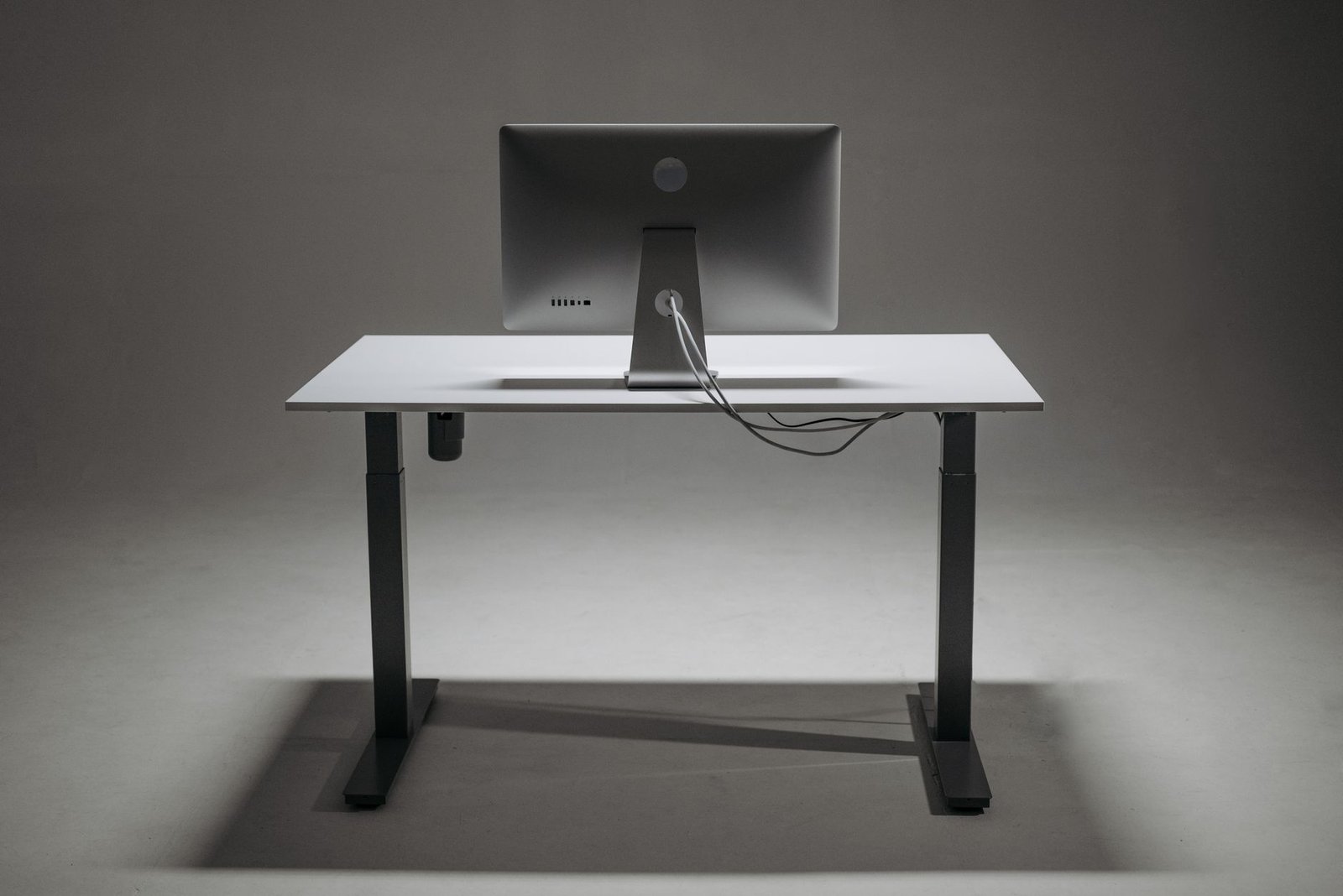
Protocol 1: Isometric Muscle Holds for Stealthy Hypertrophy
Isometric contractions represent the ultimate secret weapon for office-bound muscle building because they generate zero external motion, making them completely invisible to observing colleagues. By contracting a muscle against an immovable resistance—such as pushing your feet down into the floor or pressing your hands upward against the underside of your desk—you recruit high-threshold motor units without joint movement. Research in exercise physiology demonstrates that isometric holds create high levels of intramuscular tension, which compresses local blood vessels and produces a localized hypoxic environment that stimulates muscle hypertrophy signaling pathways comparable to traditional heavy lifting.
Executing an effective seated isometric protocol requires deliberate focus on time under tension and neural drive. To target your quadriceps, sit upright, extend one leg straight out under your desk, and flex your quad as hard as possible for ten seconds while breathing steadily through your nose. Rest for five seconds, then switch legs, completing a total of ten repetitions per limb every hour. For your upper body, place your palms under your desk and attempt to lift the entire workstation upward with maximum force for fifteen seconds, engaging your lats, shoulders, and core. This constant spiking of muscular tension prevents the energetic shutdown of your upper body tissues and maintains elevated localized blood flow.
The metabolic beauty of isometric holds lies in their ability to engage fast-twitch muscle fibers that normally remain dormant during light desk work. Fast-twitch fibers have immense growth potential and possess superior glycogen storage capacity compared to slow-twitch fibers. By recruiting these powerful fibers multiple times an hour throughout your workday, you signal your endocrine system to retain muscle mass even during periods of caloric restriction or intense cognitive stress. Furthermore, these micro-bouts of tension act as a powerful neural reset, clearing brain fog and sharpening focus by driving norepinephrine and dopamine production through muscle-brain communication axes.
Protocol 2: The Soleus Pushup and Glucose Disposal Mechanics
One of the most exciting physiological discoveries in recent years centers on the soleus muscle, a deep postural calf muscle running from just below your knee to your heel. Landmark research published in medical journals revealed that the soleus muscle possesses a unique physiological composition: it is packed with oxidative muscle fibers that can contract for hours without fatiguing, relying almost entirely on blood glucose and fats for fuel. When activated correctly using a movement called the soleus pushup, this muscle dramatically accelerates local oxidative metabolism and clears circulating blood sugar with extraordinary efficiency.
The mechanics of the soleus pushup are remarkably simple and can be performed while sitting or standing at your desk without drawing any attention. While keeping the front of your foot planted firmly on the floor, raise your heel as high as it will go, then let it passively drop back down to the ground. By emphasizing the shortening of the soleus while minimizing the contribution of the larger gastrocnemius muscle, you tap into a continuous, non-fatiguing biochemical sink for glucose and triglycerides. Studies measuring metabolic gas exchange during soleus contractions show a multi-fold increase in local energy expenditure and a profound reduction in postprandial blood glucose excursions after heavy meals.
To operationalize this protocol, schedule three ten-minute blocks throughout your workday—ideally immediately following breakfast, lunch, and your afternoon snack—where you perform rhythmic soleus raises at a cadence of roughly one contraction every two seconds. This targeted activation prevents the blood sugar spikes that typically induce afternoon lethargy and cognitive crashes. By putting your soleus to work while reviewing documents or analyzing spreadsheets, you leverage your body’s largest metabolic levers without ever breaking a sweat or needing to change out of your professional attire.
Pair your soleus pushup blocks with a continuous glucose monitor (CGM) to visually observe your glycemic response in real time. Seeing your blood glucose curve flatten out instantly upon activating your leg muscles provides immediate behavioral reinforcement that transforms abstract metabolic science into an engaging daily game.
Protocol 3: Under-Desk Ergonomic Pedaling and NEAT Amplification
Non-exercise activity thermogenesis, or NEAT, accounts for all the calories we burn through daily living activities outside of formal exercise, ranging from fidgeting and walking to typing and standing. NEAT is the single most variable component of human energy expenditure, differing by up to 2,000 calories per day between two individuals of identical body size. Desk-bound professionals suffer from severely depressed NEAT levels, which reduces total daily energy expenditure and promotes insidious fat accumulation. Under-desk pedal exercisers and miniature elliptical units provide a mechanical bridge that injects high-volume, low-intensity movement directly into sedentary work hours.
Implementing an under-desk pedaling protocol requires selecting a unit with magnetic resistance and a heavy flywheel to ensure smooth, silent operation that will not disturb colleagues or shake your monitor. Set the resistance to a gentle, conversational level—roughly matching a casual bicycle commute—and aim for continuous pedaling blocks lasting thirty to forty-five minutes. This sustained low-intensity pedaling elevates your heart rate just slightly above resting levels, shifting your substrate utilization toward lipid oxidation and dramatically increasing daily caloric burn without inducing localized muscle fatigue or heavy sweating.
Physiologically, continuous low-level pedaling enhances lower extremity venous return, acting as a muscular pump that forces blood back toward the heart against gravity. This prevents the pooling of blood and lymphatic fluid in the lower legs that causes end-of-day ankle swelling and varicose vein development. Furthermore, the rhythmic contraction of the hip flexors, hamstrings, and quadriceps stimulates the release of myokines—signaling proteins like interleukin-6 that possess potent anti-inflammatory properties and support systemic metabolic health across multiple organ systems.
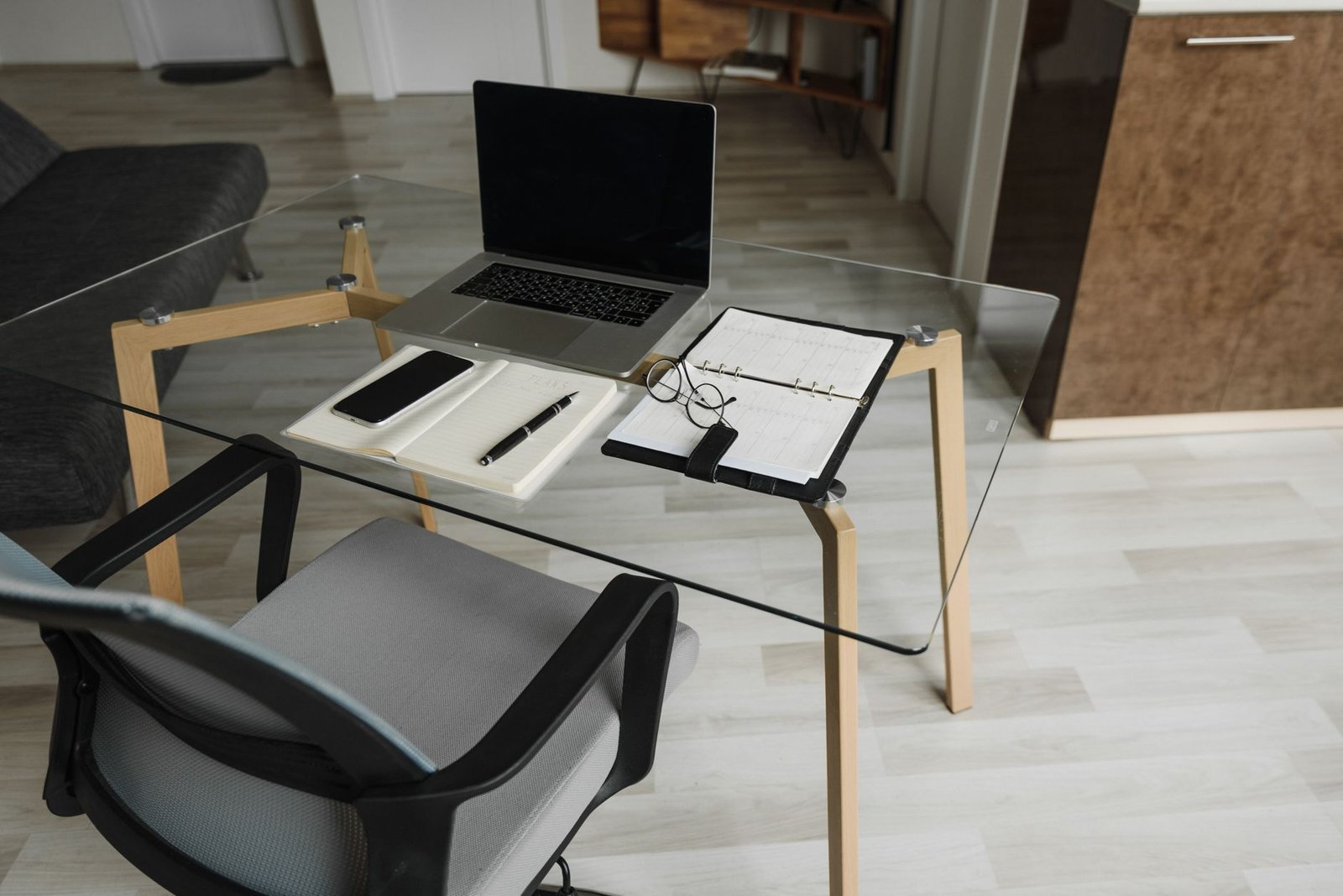
Protocol 4: The Sit-Stand Oscillation Strategy
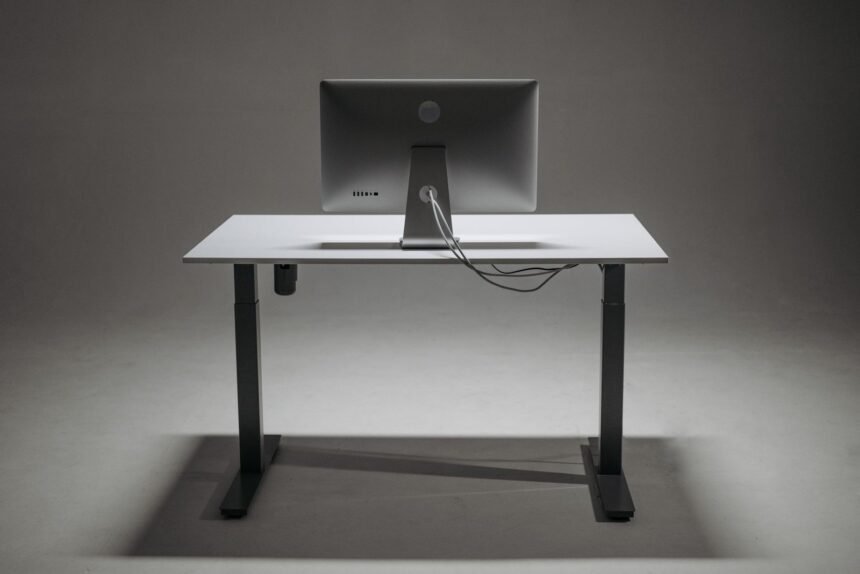
The motorized sit-stand desk has become a staple of modern ergonomic offices, yet most workers misuse them by remaining locked in a static standing position for hours on end. Static standing is metabolically superior to sitting, but standing motionless for three hours straight introduces a new set of physiological problems, including lower limb edema, plantar fasciitis, and excessive venous pressure in the lower extremities. To optimize a sit-stand workstation, you must adopt an oscillation strategy characterized by frequent, structured posture transitions every thirty to forty-five minutes.
The ideal oscillation blueprint follows a strict rhythm: sit for thirty minutes of deep focused work, transition to standing for thirty minutes during emails and meetings, and introduce dynamic micro-movements during every transition. When you stand up, perform five bodyweight squats using your desk for balance, or execute a set of standing calf raises to prime your neuromuscular system. This cyclic alternation between sitting and standing prevents localized tissue fatigue, maintains spinal disc health through alternating fluid imbibition, and keeps your central nervous system alert and responsive.
From a metabolic perspective, the act of transitioning from sitting to standing requires a coordinated burst of neuromuscular activation across the entire kinetic chain, engaging the core, glutes, and lower limbs. This frequent postural shifting prevents your metabolism from sinking into the energy-conserving trough characteristic of prolonged sedentary postures. By treating your sit-stand desk as an active dynamic tool rather than a static piece of furniture, you maintain high daily caloric expenditure and protect your musculoskeletal architecture from repetitive strain injuries.
Protocol 5: Core Bracing and Deep Abdominal Vacuum Techniques
The deep stabilizing muscles of the core—specifically the transversus abdominis, internal obliques, and multifidus—are severely compromised during prolonged sitting because the backrest of an office chair does the stabilization work for them. When these core muscles go dormant, the pelvis tilts anteriorly, the lumbar spine loses its natural lordotic curve, and the internal organs press downward against the pelvic floor. Rebuilding core tone while working requires conscious, rhythmic activation techniques that can be performed seamlessly during reading, typing, and video conferences.
One of the most effective stealthy core techniques is the seated abdominal vacuum, inspired by classical hypopressive training and golden-era bodybuilding. To perform a vacuum, exhale all the air from your lungs, then draw your belly button inward toward your spine and upward underneath your ribcage as if trying to touch your navel to your spine. Hold this hollowed position for ten to twenty seconds while taking shallow breaths into your upper chest, then release slowly. This maneuver targets the transversus abdominis, flattening the midsection, protecting the lower spine, and providing internal support for your visceral organs.
Complementing the vacuum with dynamic core bracing involves pulling your belly button slightly inward and tightening your abdominal wall at thirty percent of maximal effort while maintaining normal breathing. Hold this gentle brace for two minutes at a time while drafting reports or listening in on large conference calls. This sustained sub-maximal bracing teaches your central nervous system to maintain spinal integrity under load, reduces chronic lower back tension, and burns additional energetic calories by keeping your core musculature actively engaged throughout the workday.
Never attempt maximal breath-holding maneuvers such as intense abdominal vacuums if you suffer from uncontrolled hypertension, cardiovascular disease, or intraocular pressure disorders. Always maintain a steady breathing cadence during isometric holds to prevent dangerous spikes in systolic blood pressure.
Protocol 6: Pacing and Dynamic Posture During Audio Calls
The rise of remote work and video communication platforms has tethered professionals to their webcams, creating a new wave of sedentary fatigue known as Zoom fatigue. However, for audio-only calls, phone check-ins, and podcast listening sessions, you possess complete physical autonomy to transform your meeting space into a mobile laboratory. Pacing slowly around your home office or pacing in a private corridor during audio calls allows you to accumulate massive amounts of low-intensity steps without sacrificing professional output or missing a single word of discussion.
To maximize the metabolic yield of call pacing, maintain an intentional, steady stride length and swing your arms naturally to engage your upper body and shoulder girdle. Walking at a slow, deliberate pace of two miles per hour burns approximately triple the energy of sitting at a desk, transforming a thirty-minute meeting into a powerful calorie-burning session. Furthermore, bilateral rhythmic walking engages both hemispheres of the brain through vestibular and proprioceptive stimulation, which enhances creative problem-solving, divergent thinking, and verbal fluency during complex business negotiations.
If office architecture restricts your ability to pace freely, adopt stationary marching in place combined with alternating high-knee lifts while keeping your video camera turned off. Lifting your knees to hip height against gravity engages the iliopsoas muscles and challenges your balance, forcing your deep stabilizing stabilizers to work overtime. This micro-movement pattern breaks the hypnotic trance of screen fixation, flushes metabolic waste products out of your lower extremities, and ensures that your daily step count remains robust regardless of your professional workload.

Protocol 7: Scapular Retractions and Upper Back Armor Building
Upper cross syndrome is the occupational curse of the modern knowledge worker, characterized by forward head posture, internally rotated shoulders, and a hunched thoracic spine. This structural deformity weakens the rhomboids, mid-trapezius, and rear deltoids while tightening the chest muscles and anterior neck flexors. Building upper back armor and reversing upper cross syndrome does not require a gym membership or resistance bands; it requires consistent, high-frequency scapular retractions performed directly at your desk.
Execute scapular retractions by sitting or standing tall, rolling your shoulders backward and downward, and squeezing your shoulder blades together as if attempting to crush a walnut between them. Hold this contracted position for five seconds with maximum neural intensity, release, and repeat for twenty repetitions every hour. This targeted movement reactivates the postural muscles of the upper back, opens up the chest cavity to improve vital lung capacity, and relieves the chronic cervical strain that leads to tension headaches and nerve impingement.
To elevate this into a true muscle-building stimulus, combine scapular retractions with doorway chest stretches and isometric external rotations of the rotator cuff. Press the back of your hands outward against the sides of your doorframe or the edges of your desk while pulling your shoulder blades together. These multi-planar muscular contractions protect your shoulder joints against impingement syndromes, improve your aesthetic posture, and ensure that your upper body remains robust and resilient despite hours of keyboard entry and mouse navigation.
The 4-Week Progressive Integration Blueprint
Transitioning from a completely sedentary desk worker to an active metabolic multitasker requires a systematic, phased approach to avoid overwhelming your central nervous system or inviting repetitive strain injuries. Trying to implement all seven stealth protocols on day one typically leads to cognitive overload and abandonment of the habits within a week. Instead, follow a structured four-week progressive integration blueprint designed to systematically layer new movement patterns into your professional workflow.
- Week 1: The Foundation Phase: Focus entirely on posture and baseline awareness. Implement sit-stand transitions every 45 minutes and introduce ten soleus pushups after every meal. Do not attempt complex isometric holds yet; let your neuromuscular system adapt to standing and basic calf activation.
- Week 2: The Tension Phase: Layer in seated isometric leg extensions and upper body desk presses. Perform five sets of ten-second holds for both upper and lower body movements twice per day. Continue your soleus pushup routine and maintain your sit-stand desk oscillation schedule.
- Week 3: The NEAT & Motion Phase: Convert all audio-only phone calls into walking or slow pacing sessions. Introduce under-desk pedaling for thirty-minute blocks during morning administrative tasks. Begin practicing daily abdominal vacuums during deep work sessions.
- Week 4: The Mastery Phase: Integrate all seven protocols into a seamless daily rhythm. Use hourly alarms or smart wearable reminders to cycle through soleus raises, scapular retractions, core bracing, and isometric holds, turning your workday into an automated metabolic engine.
Biochemical Tracking and Objective Validation
In modern health science, subjective feelings of productivity or fitness are insufficient; you must validate your interventions with objective biomarkers and physiological data. Relying on guesswork leaves you vulnerable to metabolic adaptation and stagnation. To verify that your stealthy desk workouts are actually improving your metabolic health, track key longitudinal metrics using clinical-grade diagnostic tools and wearable consumer devices.
Start by monitoring your fasting blood glucose and HbA1c levels through semi-annual blood panels, looking for stable or improving glycemic control despite the sedentary nature of desk work. Utilize a continuous glucose monitor for two-week investigative periods to ensure that your soleus pushups and isometric holds are successfully blunting postprandial glucose spikes following carbohydrate-dense lunches. Additionally, track your resting heart rate and heart rate variability (HRV) using advanced biometric trackers to ensure that your micro-movement protocols are providing a gentle metabolic stimulus without pushing your autonomic nervous system into sympathetic overdrive.
Finally, measure changes in your body composition using quarterly dual-energy x-ray absorptiometry (DEXA) scans or multi-frequency bioelectrical impedance analysis to verify that you are maintaining or building lean skeletal muscle mass while shedding visceral adipose tissue. By treating your personal health data with the same analytical rigor you apply to your professional projects, you remove emotion from the equation and ensure your stealthy desk fitness protocols deliver measurable, life-extending results.
Frequently Asked Questions
Can you actually build noticeable muscle mass without lifting heavy weights at the gym?
Building dense muscle tissue requires mechanical tension, metabolic stress, and progressive overload, all of which can be achieved through advanced bodyweight calisthenics, resistance bands, and high-intensity isometric contractions. While lifting heavy external loads remains the gold-standard method for maximal hypertrophy, isometric holds and sub-maximal micro-contractions recruit high-threshold motor units and create localized hypoxic stress that stimulates muscle protein synthesis. For office workers experiencing sarcopenic muscle loss from prolonged sitting, these stealthy protocols are more than sufficient to reverse muscle atrophy, improve structural tone, and stimulate functional hypertrophy.
Will performing stealthy movements at my desk distract my coworkers or look unprofessional?
The defining characteristic of all seven protocols outlined in this guide is absolute stealth and invisibility. Under-desk pedaling units operate in complete silence beneath your desk, soleus pushups involve micro-movements of the heel that are entirely hidden by office furniture, and isometric muscle holds generate zero external motion. You are simply sitting upright with exceptional posture while applying internal muscular tension. None of these practices require you to change clothes, leave your workspace, or engage in behavior that draws unwanted attention in a professional environment.
How many total calories can I realistically burn per day using these desk protocols?
The energetic yield of non-exercise activity thermogenesis and micro-movements varies based on your body weight, baseline metabolism, and adherence consistency. However, clinical studies measuring energy expenditure during active workstations and frequent postural shifts demonstrate an increased caloric burn of 200 to 400 calories per day compared to entirely sedentary sitting. Over the course of a year, this additional energy expenditure accounts for the equivalent of multiple pounds of fat loss, without factoring in the added metabolic boost of preserving and building lean muscle tissue.
Are there any risks of developing repetitive strain injuries from desk micro-movements?
Repetitive strain injuries typically occur when a single movement pattern is performed continuously with high loads and poor biomechanics over extended periods. The protocols in this guide are specifically designed to be varied, low-load, and distributed across multiple muscle groups throughout the body, preventing overuse of any single joint or tendon. To eliminate injury risk entirely, ensure you maintain neutral spinal alignment, avoid locking your joints during isometric holds, and listen to your body by backing off if you experience joint pain rather than normal muscular fatigue.
How do I remember to perform these movements amidst a chaotic workday filled with meetings and deadlines?
Relying on sheer willpower to remember micro-movements during a high-stress workday is a recipe for failure, as cognitive bandwidth becomes entirely consumed by professional tasks. The most reliable implementation strategy is to externalize your discipline by setting recurring calendar alerts, utilizing smart wearable vibration reminders every forty-five minutes, or attaching movement triggers to existing habits, such as doing ten soleus pushups every time you hit send on an email or take a sip of water. Environmental design and automated cueing are the bedrock of lifelong behavioral adherence.