


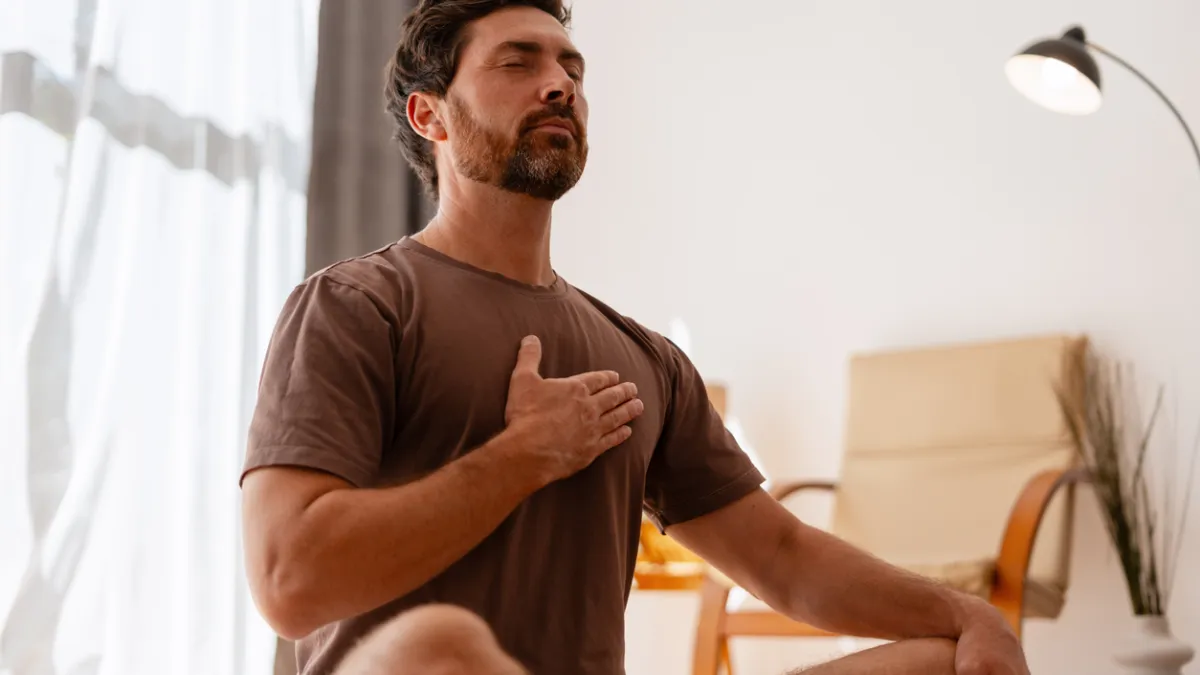
Validated by a study conducted by Stanford University, periodic sighing is the quickest breathing tool to regulate your nervous system and stop anxiety in record time.
Daily stress puts our body to the test, triggering physiological responses that are often difficult to control. Fortunately, science is offering new, natural ways to take back control of our emotional health. Recently, research has looked into the tremendous effectiveness of specific breathing techniques in instantly calming our minds.
Stanford study that challenges meditation
In 2023, the laboratory of researchers Andrew Huberman and David Spiegel conducted an experiment with 108 participants. The results showed that active breathing control was superior to mindfulness meditation in improving mood. Among the methods tested, The periodic sigh received the highest scores in Reducing physiological stress. The data reveals thisA Daily practice only 5 minutes Sustainably strengthens Resilience in the face of anxiety.
Practice double inhalations easily
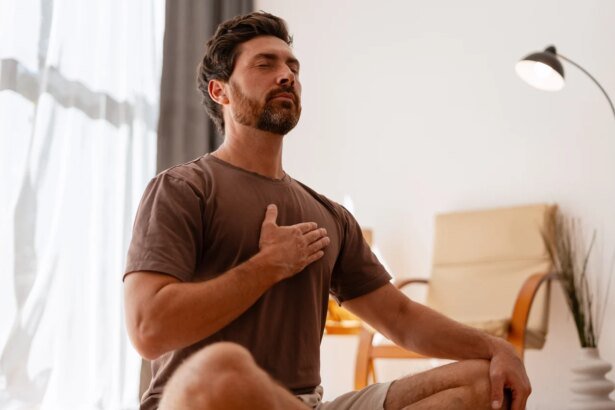
The method is based on very precise respiratory mechanisms that are easy to memorize. Here are the steps to run it:
- First deep nasal inspiration.
- A second short breath to fill the upper part of the lungs.
- Very slow and prolonged exhalation through the mouth.
Unlike exercises that require complete isolation, This method is confidential and free. However, a few cycles are enough to feel immediate reliefA 5 minute routine It constitutes the recommended therapeutic dose By scientists.
The diaphragm calms your mind
Why do we have to inhale twice in a row? The second inspiration allows you to do this Reopening millions of tiny lung sacs that have collapsed due to stress. If opened, these small bags will cover Area: 75 square metresthus maximizing gas exchange. Expiry is long and then strengthens Release as much carbon dioxide as possibleSending a chemical signal for instant relaxation.
Moreover, Upward movement of the diaphragm tells the brainstem, Through the vagus nervethat you need to slow down your heart rate. next to, We naturally sigh every 5 minutes To prevent our alveoli from collapsing, confirming that the body already has the keys to its balance.
Why does stress disrupt the body so much?
During a stressful episode, the body activates the sympathetic nervous system, which is responsible for the so-called “fight or flight” response. This response results in increased heart rate, increased blood pressure, and faster breathing. Breathing techniques make it possible to reactivate the parasympathetic system responsible for returning to calm and recovery.
Adopt this reflex every day
Incorporating this breathing into your lifestyle provides immediate and measurable benefits. Use it as an emergency tool before a complex meeting, exam, or after a conflict to reduce your physiological arousal. In the evening, do a few laps in your bed Switch to parasympathetic mode and promote sleep.
but, Stop exercising and resume normal breathing if you feel dizzy. It’s not about hyperventilation, it’s about controlling your breathing. Unlike Square breathing that requires Strictly focused on duration, this sigh focuses above all on mechanical relaxation to unlock your serenity.