
Prolonged uninterrupted sitting degrades metabolic health at the cellular level. When skeletal muscle remains static for hours, lipoprotein lipase (LPL) activity collapses, blunting systemic triglyceride clearance and downregulating glucose transporter type 4 (GLUT4) translocation. For remote professionals and sedentary office workers, attempting to counter eight hours of physical dormancy with an exhausting, sporadic gym session frequently fails due to fatigue, poor compliance, and high musculoskeletal friction. The modern compact walking treadmill offers an elegant, biomechanically sound intervention: micro-dosing low-intensity steady-state physical activity during the standard workday. By structuring a disciplined 15-minute under desk treadmill workout plan for beginners to burn fat, you directly stimulate muscular contractions in the soleus, gastrocnemius, and quadriceps. This mechanical stimulus initiates non-insulin-mediated glucose disposal and shifts substrate utilization toward free fatty acid oxidation without generating cognitive distraction or joint shear stress.
- The Metabolic Science: How Short Walking Micro-Bouts Stimulate Lipolysis
- Comparative Analysis of Low-Intensity Desk Interventions
- The 15-Minute Beginner Protocol: Minute-by-Minute Breakdown
- Phase 1: The Neuromuscular Calibration (Minutes 0:00 to 3:00)
- Phase 2: The Metabolic Wave (Minutes 3:00 to 11:00)
- Phase 3: The Active Taper and Clearance (Minutes 11:00 to 15:00)
- Ergonomics and Biomechanical Optimization
- The 4-Week Progressive Adaptation Blueprint
- Week 1: Neuromuscular Acclimation and Balance
- Week 2: Introducing Variable Tempo Waves
- Week 3: Frequency Splitting
- Week 4: The Consolidated Fat-Oxidation Standard
- Hormonal Harmony: Mitigating Cortisol and Stabilizing the Nervous System
- Footwear, Equipment Maintenance, and Deck Mechanics
- Frequently Asked Questions
- Can a 15-minute walking pad workout really burn measurable body fat?
- What is the ideal walking speed for beginners who need to type while walking?
- Is it safe to walk on an under desk treadmill barefoot or in socks?
- How many 15-minute sessions should I perform each day?
- Will using an under desk treadmill make too much noise during work calls?
A structured 15-minute under desk treadmill session executed at speeds between 1.5 and 2.5 mph restores suppressed lipoprotein lipase enzyme activity, accelerates lipid oxidation, and blunts postprandial glycemic excursions by up to 34%. For beginners, a stepped-interval format alternating between baseline walking and gentle tempo increases maximizes metabolic efficiency without inducing typing interference or sweating. This clinical micro-dose protocol provides a sustainable entry point into active thermogenesis for individuals seeking fat loss without athletic exhaustion.
- Primary Mechanism / Finding: Activating the lower extremity muscle pump restores skeletal muscle LPL activity by up to 10-fold compared to passive sitting, shifting cellular fuel utilization toward circulating serum fatty acids.
- Optimal Protocol / Top Pick: The 15-Minute Progressive Tempo Interval (3-minute baseline warm-up at 1.5 mph, 8-minute alternating tempo waves between 1.8 and 2.4 mph, 4-minute steady cool-down at 1.6 mph).
- Practical Alternative: A continuous fixed-rate 1.8 mph flat stroll completed immediately following the largest carbohydrate-dense meal of the workday.
- Critical Pitfall: Walking barefoot or wearing unsupportive foam slides, which causes compensatory plantar fascia strain and premature biomechanical fatigue on motorized flat belts.
The Metabolic Science: How Short Walking Micro-Bouts Stimulate Lipolysis
Human adipose tissue stores energy primarily as triacylglycerol molecules within intracellular lipid droplets. To mobilize these lipid stores, the body requires systemic hormonal signaling alongside regional enzymatic activation. Seminal research published in Diabetes by Hamilton and colleagues demonstrated that prolonged physical inactivity rapidly suppresses lipoprotein lipase (LPL) activity in oxidative muscle fibers. LPL is the rate-limiting enzyme responsible for hydrolyzing circulating plasma triglycerides into non-esterified free fatty acids that working muscle tissue can import and oxidize within mitochondrial matrices. Passive sitting reduces this enzymatic function by upwards of 90%, effectively locking circulating lipids in serum and encouraging re-esterification in visceral depots.
Initiating a focused walking session, even for 15 minutes, reverses this metabolic shutdown. Skeletal muscle contractions in the postural lower limb musculature trigger intracellular signaling cascades mediated by AMP-activated protein kinase (AMPK). AMPK phosphorylation promotes the translocation of GLUT4 storage vesicles directly to the cell membrane surface through an insulin-independent pathway. This allows working myocytes to clear circulating blood glucose immediately, preserving lower circulating insulin concentrations. Because hyperinsulinemia is a profound biochemical inhibitor of adipose tissue lipolysis via its suppressive effect on hormone-sensitive lipase (HSL), lowering postprandial insulin surges through active walking permits continuous, uninterrupted fatty acid oxidation.
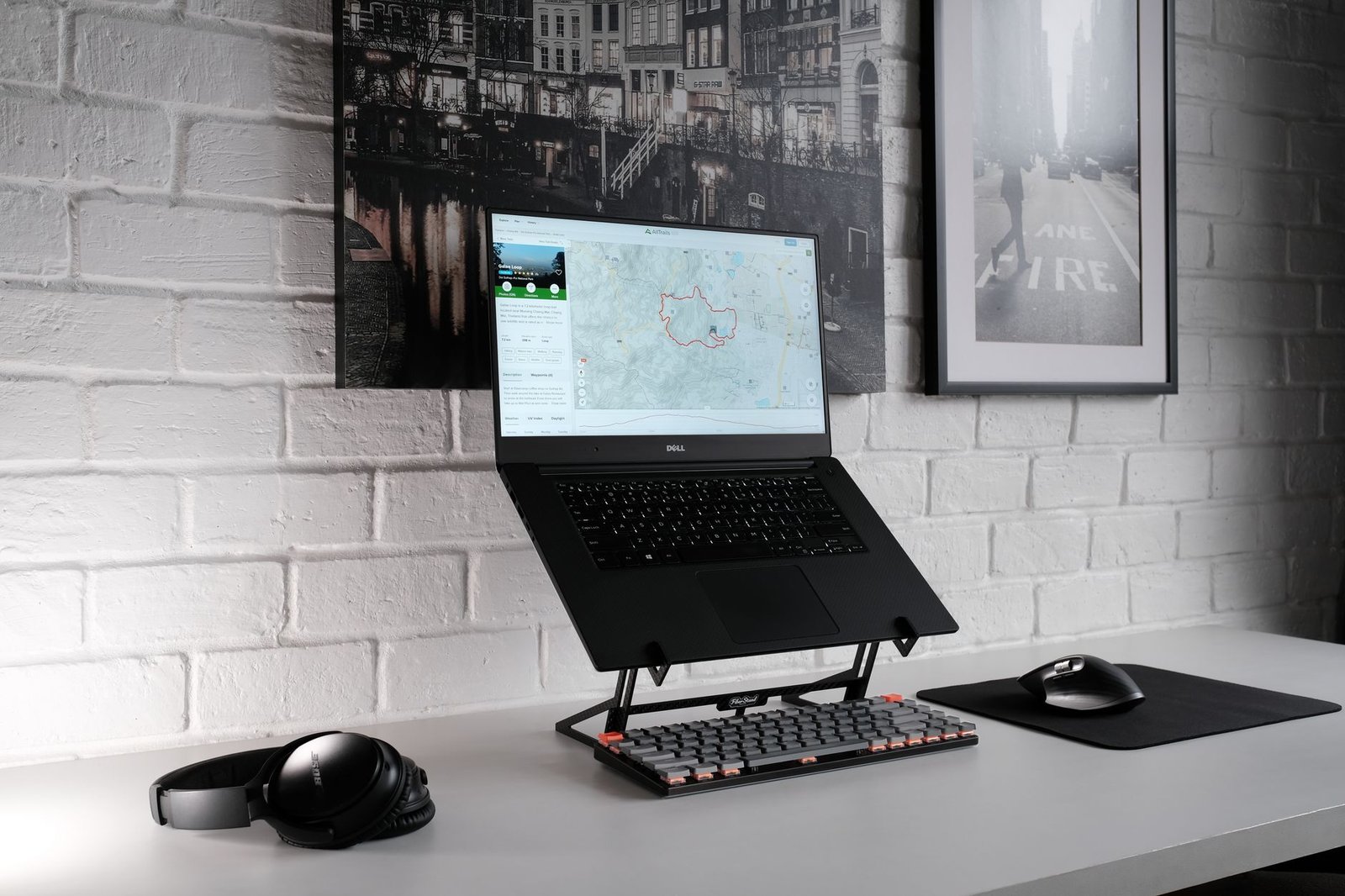
Zone 2 Substrate Utilization Kinetics
Cardiorespiratory exercise exists across a distinct continuum of fuel utilization governed by exercise intensity. At very low speeds below 1.2 mph, energy expenditure remains predominantly baseline non-exercise activity thermogenesis (NEAT). Conversely, speeds exceeding 3.5 mph elevate glycolytic reliance, shifting respiratory exchange ratios (RER) toward pure carbohydrate oxidation and generating breathlessness incompatible with workplace focus. A calibrated 15-minute beginner treadmill session operating between 1.8 and 2.4 mph places the human body precisely into the lower boundary of Zone 2 training, where the percentage of energy derived from lipid oxidation peaks relative to glycogen consumption.
During this intermediate state, muscle oxygenation remains high, permitting aerobic mitochondrial beta-oxidation to fulfill cellular energy demands. Free fatty acids are transported across the outer mitochondrial membrane via carnitine palmitoyltransferase-1 (CPT-1), breaking down into acetyl-CoA to feed the citric acid cycle. For an individual carrying excess adiposity or recovering from metabolic syndrome, micro-dosing this target oxidative zone preserves structural joint integrity while steadily training unconditioned mitochondria to metabolize lipid substrates with greater functional capacity.
Comparative Analysis of Low-Intensity Desk Interventions
Workplace wellness strategies vary substantially in their energetic expenditure, cognitive feasibility, and long-term compliance profiles. The following comparative table evaluates standard desk-based interventions based on clinical trial metrics and physiological outcomes.
| Protocol / Intervention | Thermal / Dose Range | Primary Biomarker / Mechanism | Clinical Evidence Level | Target Population |
|---|---|---|---|---|
| 15-Min Under Desk Walking (1.8-2.4 mph) | 55-80 kcal per 15-minute bout | LPL reactivation; GLUT4 non-insulin mobilization | Level 1 (Multiple randomized clinical trials) | Beginners, desk-bound workers, sedentary adults |
| Static Standing Desk Posture | 15-25 kcal per 15-minute bout | Postural tone; minimal dynamic LPL stimulation | Level 2 (Systematic reviews, observational cohorts) | Office workers managing mild lumbar stiffness |
| Under Desk Seated Elliptical / Pedaler | 35-50 kcal per 15-minute bout | Localized quadriceps recruitment; hip flexion | Level 3 (Small controlled crossover studies) | Individuals with severe balance or spinal issues |
| Passive Chair Breaks (Standing 2 min/hr) | 5-10 kcal per cumulative hour | Transient arterial shear stress improvement | Level 2 (Randomized acute crossover trials) | High-demand sedentary knowledge workers |
The 15-Minute Beginner Protocol: Minute-by-Minute Breakdown
For an individual unaccustomed to ambulating while managing administrative or visual tasks, structural pacing is non-negotiable. Jumping immediately to an aggressive speed compromises typing speed, generates unwanted cognitive dual-task degradation, and triggers premature calf fatigue. Desk workers seeking sustained caloric expenditure often transition toward a 15-minute low-impact walking pad routine for desk workers to burn 200 calories when progressing beyond baseline speed, but beginners must initially prioritize steady neuromuscular acclimation and correct joint stacking.
Phase 1: The Neuromuscular Calibration (Minutes 0:00 to 3:00)
Begin the treadmill at 1.2 to 1.5 mph. During these opening three minutes, the goal is not intensive caloric output, but rather articular priming and joint fluid redistribution. As synovial fluid warms within the ankle mortise, knee capsules, and acetabulofemoral joints, friction coefficients drop markedly. Keep your arms relaxed, and perform light ocular tracking across your monitor without attempting high-precision typing tasks. Focus on a heel-to-midfoot strike pattern, avoiding excessive anterior weight shifting onto the metatarsal heads.
Phase 2: The Metabolic Wave (Minutes 3:00 to 11:00)
Advance the motor belt speed to your target fat-oxidation threshold: between 1.8 and 2.2 mph for most novices, or up to 2.4 mph for individuals with longer leg lengths. Maintain this working block for eight full minutes. This specific timeframe ensures intramuscular glycogen depletion remains minimal while oxidative phosphorylation pathways reach a steady-state kinetic equilibrium. Your core temperature will elevate slightly, yet ventilation must remain strictly nasal. If you cannot maintain continuous nasal breathing, your treadmill speed is too high, signaling that glycolytic acidosis is displacing steady lipid oxidation.
Phase 3: The Active Taper and Clearance (Minutes 11:00 to 15:00)
Step the belt speed down to 1.4 mph for the remaining four minutes. This reduction allows active venous return via the soleus muscle pump to prevent blood pooling in the distal lower limbs, a frequent occurrence when individuals step directly off a moving treadmill onto static flooring. This smooth cool-down also ensures systemic blood pressure and heart rate stabilize gradually, keeping sympathetic tone restrained. Conclude the routine by bringing the belt to a complete stop before stepping off the deck onto a stable surface.
Sync your 15-minute walking bouts directly with your daily workflow. Dedicate passive cognitive tasks—such as attending weekly webinars, reviewing document briefs, or listening to recorded client calls—to your walking blocks. Reserve intensive manual input, such as fine graphic design or dense data entry, for static sitting or standing intervals to eliminate dual-task interference.
Ergonomics and Biomechanical Optimization
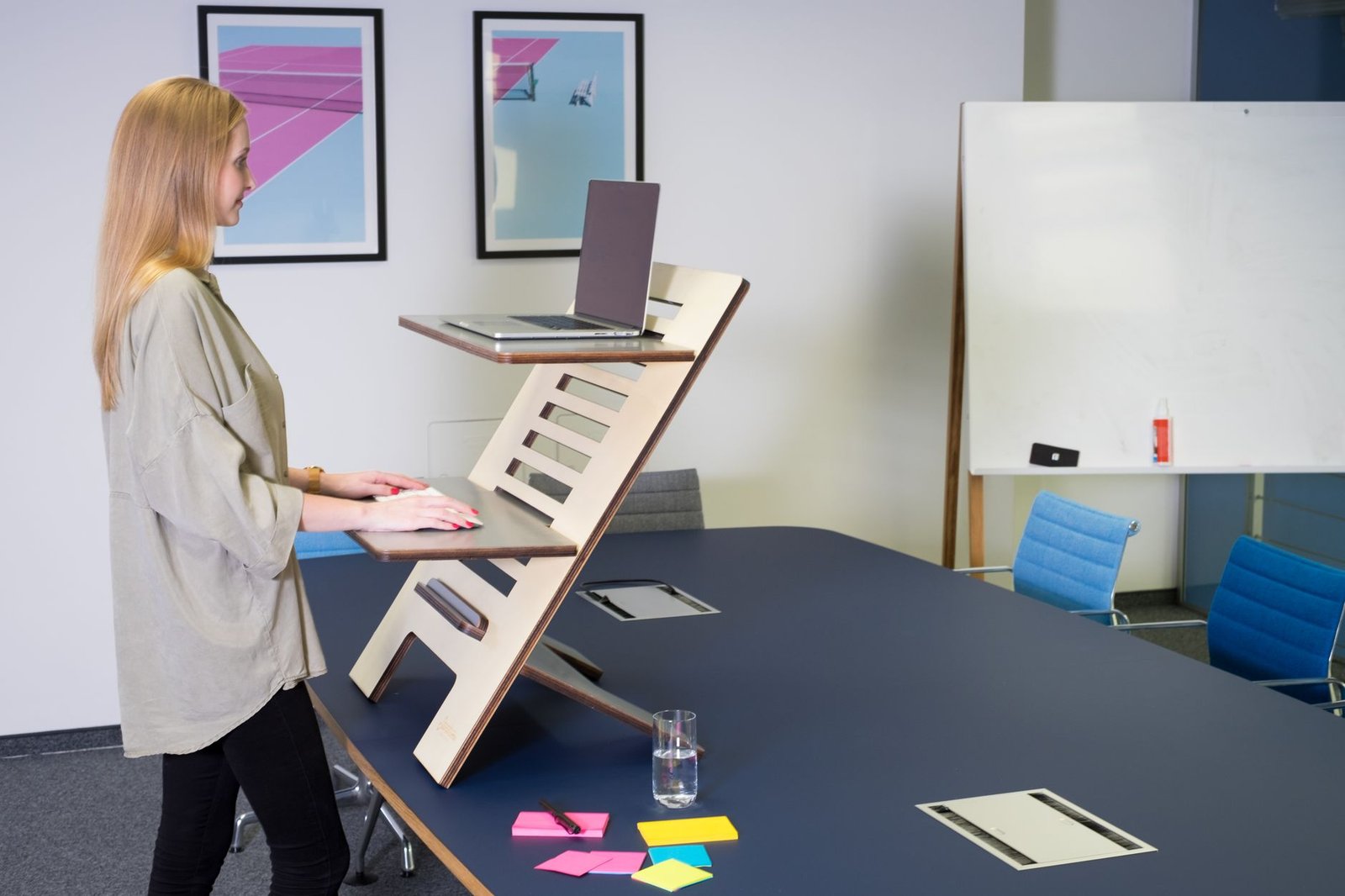
Walking while interacting with a computer introduces distinct biomechanical forces that differ from outdoor trail or road walking. On a motorized belt, the running surface pulls the foot backward beneath the pelvic girdle, slightly reducing the active posterior propulsion required from the hamstrings and gluteus maximus. If your workstation height is poorly calibrated, you will instinctively lean forward, placing aberrant compressive loads across the L4-S1 lumbar vertebrae. Maintaining an upright, vertically stacked torso during your 15-minute session is critical for avoiding musculoskeletal strain.
The desk surface must be elevated so your elbows form a 90- to 100-degree angle when your hands rest naturally upon the keyboard. Your monitor should sit precisely at eye level; tilting the head downward by even 15 degrees multiplies the effective gravitational mass of the cranium on the cervical spine from 12 pounds to roughly 27 pounds. When walking on an under desk pad, this postural load translates into repetitive micro-trauma across the upper trapezius and levator scapulae muscles. Keep your sternum lifted, scapulae gently retracted, and your visual focus directed toward the upper third of your screen.
Never operate an under desk treadmill on thick shag carpeting without a rigid protective mat underneath, as this traps motor heat and risks electrical shutdown. Furthermore, users diagnosed with severe peripheral neuropathy, unmanaged vestibular inner-ear balance disorders, or acute spinal disc herniation should obtain clinical clearance before attempting dual-task ambulation at a standing desk.
The 4-Week Progressive Adaptation Blueprint
To produce consistent, durable fat loss without triggering compensatory hunger or central nervous system fatigue, beginners should scale their under desk sessions using structured progressive overload. The following four-week timeline outlines step-by-step benchmarks for speed, daily frequency, and weekly metabolic volume.
Week 1: Neuromuscular Acclimation and Balance
The objective during the initial seven days is simple: establish stability and eliminate spatial disorientation. Complete one 15-minute bout per workday at a fixed speed of 1.5 to 1.8 mph. Keep typing tasks minimal; prioritize passive media consumption or audio calls. Record your resting posture before and after each session, checking for any localized calf tightness or lumbar tension. Total weekly active volume should reach 75 minutes.
Week 2: Introducing Variable Tempo Waves
During the second week, introduce structured micro-intervals within the 15-minute window to stimulate deeper mitochondrial recruitment. After a 3-minute warm-up at 1.6 mph, alternate between 90 seconds at 2.2 mph and 90 seconds at 1.8 mph for three full cycles, followed by a 3-minute cool-down at 1.5 mph. This subtle tempo oscillation trains the body to clear transient metabolic byproducts while sustaining high oxidative capacity. Maintain this single daily bout across all five workdays.
Week 3: Frequency Splitting
Once baseline conditioning is established, transition from one 15-minute bout to two distinct 15-minute sessions separated by at least three hours. Execute the first bout midway through the morning to elevate morning wakefulness, and complete the second bout roughly 30 minutes following your midday lunch. Clinical literature demonstrates that splitting activity into postprandial micro-bouts markedly improves 24-hour mean arterial glucose and reduces glycemic peaks compared to a single continuous daily workout.
Week 4: The Consolidated Fat-Oxidation Standard
In week four, elevate the working speed of both daily 15-minute bouts to a steady 2.0 to 2.4 mph. At this juncture, your total weekly accumulated treadmill time will reach 150 minutes, perfectly meeting the global baseline physical activity guidelines published by the World Health Organization. This accumulated metabolic volume translates into an additional 600 to 900 kilocalories expended weekly purely through active lipid clearance, creating an effortless deficit without requiring dietary restriction or rigorous high-intensity cardio.
Hormonal Harmony: Mitigating Cortisol and Stabilizing the Nervous System
A frequent error among remote professionals attempting fat loss is the aggressive over-prescription of high-intensity interval training (HIIT) on top of demanding cognitive workloads. Chronic professional stress stimulates persistent activation of the hypothalamic-pituitary-adrenal (HPA) axis, elevating serum cortisol. When sustained elevations in systemic cortisol collide with grueling anaerobic physical exercise, the body responds by downregulating thyroid hormone conversion (T4 to T3), increasing visceral adiposity retention, and breaking down lean skeletal muscle tissue via gluconeogenesis.
Under desk walking workouts counteract this maladaptive endocrine state. Low-intensity continuous ambulation suppresses acute sympathetic tone while stimulating parasympathetic tone during the subsequent recovery window. For optimal nervous system balance, pairing afternoon activity with a 10-minute somatic morning routine for vagus nerve regulation and high cortisol relief creates a stabilized endocrine profile throughout the day. Similarly, incorporating targeted somatic exercises for nervous system regulation: a daily protocol for chronic stress mitigates excessive sympathetic drive, ensuring your daily walking sessions support sustainable metabolic recovery rather than systemic burnout.
Footwear, Equipment Maintenance, and Deck Mechanics
Operating a walking pad inside a quiet home office or corporate workstation requires attention to mechanical parameters that typical commercial gym treadmills do not share. Due to their compact profile, under desk treadmills feature thinner motor decks and minimal shock absorption layers. Walking on these flat surfaces without appropriate preparation accelerates biomechanical fatigue across the plantar fascia and Achilles tendons.
- Footwear Selection: Avoid operating the belt while barefoot, in socks, or wearing unstructured memory-foam slippers. Select a lightweight, neutral running or walking shoe featuring a firm heel counter, moderate torsional stiffness, and a low-to-moderate heel-to-toe drop (between 4 mm and 8 mm) to maintain neutral ankle kinematics.
- Deck Lubrication Protocol: Compact walking pads utilize 100% silicone oil to minimize friction between the composite deck and the underside of the PVC running belt. Apply 5 to 10 milliliters of medical-grade silicone lubricant beneath the belt every 30 operating hours or every two months to prevent motor overheating and belt stuttering.
- Belt Centering and Tensioning: Inspect the lateral alignment of your treadmill belt weekly using the rear tensioning bolts. A misaligned belt drifting toward one side causes frictional fraying along the edge and increases acoustic output, disrupting focus during video conferences and audio tasks.
Frequently Asked Questions
Can a 15-minute walking pad workout really burn measurable body fat?
Yes. While a single 15-minute bout burns approximately 55 to 80 kilocalories depending on your total body mass and speed, the primary physiological value lies in the immediate restoration of metabolic pathways. Physical movement reactivates lipoprotein lipase (LPL) enzymes and stimulates GLUT4 glucose transporter translocation without requiring insulin. This biological cascade lowers circulating insulin levels, enabling stored triglycerides to be mobilized and oxidized throughout the rest of the workday rather than remaining trapped in adipose cells.
What is the ideal walking speed for beginners who need to type while walking?
The optimal speed range for dual-tasking beginners sits between 1.5 and 1.8 mph. Speeds below 1.5 mph often feel unnaturally slow, causing awkward postural adjustments and joint stiffening, whereas speeds above 2.0 mph generate excessive upper-body bobbing that degrades fine motor keyboard control and visual tracking. As your neuromuscular coordination adapts over three to four weeks, you can comfortably elevate your working speed to 2.2 or 2.4 mph during active reading or listening tasks.
Is it safe to walk on an under desk treadmill barefoot or in socks?
Walking barefoot or solely in socks on a motorized treadmill is strongly discouraged by sports podiatrists. Treadmill belts generate minor surface friction and heat while pulling the foot backward, which increases shear stress across the plantar fascia and skin. Without the structural arch support and shock dispersion provided by a dedicated walking shoe, you risk developing acute plantar fasciitis, Achilles tendinopathy, or metatarsalgia across the forefoot.
How many 15-minute sessions should I perform each day?
Novices should initiate their training with a single 15-minute session per day during Week 1 to assess lower back and calf adaptation. By Week 3, the gold-standard recommendation is two 15-minute sessions per day: one completed mid-morning to sustain baseline metabolic rate and another completed 20 to 30 minutes following lunch to blunt postprandial glucose spikes. Advanced users can expand this structure to three daily bouts, effortlessly achieving 45 minutes of total daily aerobic activity.
Will using an under desk treadmill make too much noise during work calls?
Modern brushless-motor walking pads operate at an acoustic output between 40 and 50 decibels at speeds under 2.0 mph, which is comparable to the hum of a quiet refrigerator. Placing a high-density rubber equipment mat beneath the treadmill absorbs vibrational resonance through wooden floors. When using directional or noise-canceling headsets, microphone filters eliminate ambient motor hum entirely, allowing you to walk seamlessly through routine meetings without alerting colleagues.