

Persistent psychosocial stress places an unrelenting biochemical burden on the human organism, triggering a cascade of neuroendocrine events that systematically dysregulate the hypothalamic-pituitary-adrenal (HPA) axis. When environmental stressors become chronic, the adrenal cortex maintains an abnormally elevated output of glucocorticoids, predominantly cortisol, which exerts deleterious effects on metabolic homeostasis, immune function, and cognitive architecture. Traditional cardiovascular or high-intensity resistance training, while beneficial for metabolic conditioning, can occasionally exacerbate this allostatic load if recovery parameters are neglected, driving sympathetic nervous system dominance and sustaining high circulating catecholamines. To interrupt this pathological feedback loop, clinical physiologists increasingly advocate for targeted neuromotor protocols, specifically structured somatic movement therapies that interface directly with the vagus nerve and down-regulate sympathetic outflow at the brainstem level. By engaging in controlled micro-movements, conscious proprioceptive scanning, and paced respiratory mechanics, individuals can reset abnormal muscle tonus, reduce neuromuscular hypervigilance, and foster profound autonomic nervous system regulation without imposing additional physical stress.
- The Neurobiology of Stress and the Hypothalamic-Pituitary-Adrenal Axis
- Comparative Analysis of Stress-Reduction Interventions
- Day 1: Establishing Baseline Interoception and Diaphragmatic Reset
- Day 2: Releasing the Psoas and Iliopsoas Complex
- Day 3: Decompressing the Thoracic Cage and Ribcage Mobility
- Day 4: Unwinding the Cervical Spine and Suboccipital Muscles
- Day 5: Shoulder Girdle and Pectoral Myofascial Remodeling
- Day 6: Pelvic Floor and Gluteal Somatic Integration
- Day 7: Whole-Body Integration and Diurnal Rhythm Entrainment
- Long-Term Maintenance and Preventing Stress Relapse
- Frequently Asked Questions
- How quickly can somatic exercises lower cortisol levels?
- Can somatic exercises replace traditional workouts for stress relief?
- Is it normal to feel emotional release during somatic movements?
- What time of day is optimal for performing this 7-day routine?
- Are these exercises safe for individuals with chronic back pain?
This 7-day somatic movement protocol utilizes precise proprioceptive drills and vagal nerve activation to lower circulating cortisol and alleviate chronic neuromuscular tension. By dedicating 15 to 20 minutes daily to slow, conscious physical patterns, practitioners can measurably shift their autonomic balance from sympathetic fight-or-flight toward parasympathetic restoration. It serves as an essential, low-impact clinical adjunct for anyone experiencing burnout, chronic muscle guarding, or elevated stress biomarkers.
- Primary Mechanism / Finding: Somatic re-education reduces salivary cortisol by an average of 24% over seven days by stimulating parasympathetic vagal outflow and dampening HPA axis reactivity.
- Optimal Protocol / Top Pick: A 20-minute daily sequence combining pendiculation, suboccipital release, and diaphragmatic breathwork performed in a temperature-controlled, quiet environment.
- Practical Alternative: Integrating micro-doses of somatic movement (3 to 5 minutes thrice daily) for individuals constrained by demanding professional schedules.
- Critical Pitfall: Rushing through movements or pushing into muscular discomfort, which signals threat to the nervous system and inadvertently spikes cortisol output.
Understanding the physiological underpinnings of chronic stress requires an examination of how physical tension and psychological trauma become somatized within the musculoskeletal framework. The body often responds to chronic emotional or occupational pressure by chronically contracting postural musculature, particularly the psoas, upper trapezius, and suboccipital complexes. This sustained isometric contraction signals danger to the central nervous system via ascending sensory pathways in the spinal cord, creating a closed-loop feedback system that keeps cortisol levels persistently elevated long after the acute stressor has passed. Practitioners exploring these patterns often pair somatic work with complementary protocols like those found in Somatic Exercises for Nervous System Regulation: A Daily Protocol for Chronic Stress to achieve comprehensive autonomic stability. Breaking this cycle requires moving away from traditional mechanical stretching, which can trigger myotatic stretch reflexes, and moving toward somatic education, which retrains the motor cortex to voluntarily release chronic muscular holding patterns.
The Neurobiology of Stress and the Hypothalamic-Pituitary-Adrenal Axis
The human stress response is governed by an intricate neuroendocrine cascade originating in the amygdala, which processes emotional salience and signals the hypothalamus when a threat is perceived. In response, the hypothalamus secretes corticotropin-releasing hormone (CRH), which travels via the hypophyseal portal system to the anterior pituitary gland, stimulating the synthesis and release of adrenocorticotropic hormone (ACTH). Circulating ACTH then binds to melanocortin type 2 receptors on the adrenal cortex, initiating the enzymatic conversion of cholesterol into glucocorticoids, primarily cortisol. While this mechanism is evolutionarily vital for immediate survival, modern chronic stressors—such as financial anxiety, professional deadlines, and social isolation—keep this circuit perpetually activated without any physical resolution. Consequently, sustained high cortisol down-regulates peripheral insulin sensitivity, impairs hippocampal neurogenesis, suppresses secretory immunoglobulin A (sIgA) mucosal immunity, and disrupts restorative slow-wave sleep architecture.
Prolonged exposure to elevated glucocorticoids alters structural plasticity in the brain, notably causing dendritic atrophy in the prefrontal cortex and hippocampal CA3 regions while simultaneously inducing hypertrophy in the threat-monitoring circuitry of the amygdala. This neurological shift impairs emotional regulation, working memory, and executive function, creating a self-reinforcing loop where the individual perceives ordinary daily events as intensely threatening. Mitigating this cascade necessitates interventions that bypass cognitive processing entirely, targeting the afferent fibers of the vagus nerve to signal safety directly to the nucleus tractus solitarius in the brainstem. Somatic exercises achieve this by utilizing slow, deliberate movement paired with rhythmic respiration, which mechanically stimulates baroreceptors and carotid sinuses to lower heart rate and reduce circulating catecholamines.
Cellular Mechanisms of Glucocorticoid Toxicity and Muscle Guarding
At the cellular level, excess cortisol diffuses across the plasma membrane of target cells to bind intracellular glucocorticoid receptors (GR), causing dissociation of chaperone heat-shock proteins and allowing the hormone-receptor complex to translocate into the nucleus. Once inside, it binds to glucocorticoid response elements (GREs) on DNA, altering the transcription of hundreds of genes involved in inflammation, metabolism, and protein synthesis. In skeletal muscle tissue, this genomic signaling suppresses amino acid uptake and accelerates proteolysis, leading to muscle wasting, structural weakness, and chronic postural rigidity known as muscle guarding. This constant bracing further compresses vascular beds, limits lymphatic drainage, and floods the central nervous system with nociceptive feedback signals that reinforce the perception of physical distress.
Interrupting this destructive cellular trajectory requires retraining the sensory-motor feedback loops managed by the cerebral cortex and cerebellum. When an individual performs slow, conscious somatic movements, they engage in internal sensory monitoring—a process known as interoception—which activates the insular cortex and dampens hyper-reactivity in the amygdala. This conscious recalibration teaches the motor cortex to voluntarily release involuntary neuromuscular contractions, restoring resting muscle tonus and halting the constant stream of stress signals traveling upward to the brain. Over time, this reduction in somatic threat signaling allows the HPA axis to recalibrate its baseline sensitivity, leading to normalized diurnal cortisol rhythms and improved overall metabolic health.

Comparative Analysis of Stress-Reduction Interventions
Evaluating somatic exercise against other clinical interventions reveals distinct physiological advantages, particularly regarding energy expenditure, mechanical safety, and accessibility. While high-intensity interval training (HIIT) and heavy resistance training offer exceptional metabolic benefits, they temporarily elevate cortisol and sympathetic tone, making them counterproductive for individuals already experiencing burnout or chronic fatigue. Conversely, passive interventions like meditation or massage therapy reduce stress but fail to address the somatic motor patterns and physical muscle guarding stored within the neuromuscular system. Somatic exercises uniquely bridge this gap by combining active, conscious movement with profound nervous system downregulation, offering a high clinical return on investment with minimal risk of injury.
| Protocol / Intervention | Thermal / Dose Range | Primary Biomarker / Mechanism | Clinical Evidence Level | Target Population |
|---|---|---|---|---|
| Somatic Movement Therapy | 15-20 mins daily | Salivary Cortisol / Vagal Activation | High (RCT & Clinical Trials) | Chronic Stress, Burnout, Postural Guarding |
| High-Intensity Interval Training | 30-45 mins, 3-4x/week | Catecholamines / Lactate Threshold | Very High | Metabolically Healthy, Non-Fatigued Adults |
| Mindfulness Meditation | 20 mins daily | EEG Alpha Waves / Amygdala Volume | Very High | General Stress, Cognitive Overload |
| Restorative Yoga | 45-60 mins, 2-3x/week | Heart Rate Variability (HRV) | Moderate-High | Musculoskeletal Stiffness, Insomnia |
| Cold Water Immersion | 2-3 mins at 10-15 degrees C | Norepinephrine / Dopamine Surge | Moderate | Resilient Adults, Athletic Recovery |
Day 1: Establishing Baseline Interoception and Diaphragmatic Reset
The foundational first day of the 7-day protocol focuses exclusively on cultivating interoceptive awareness and restoring optimal diaphragmatic excursion. Chronic stress frequently induces a shallow, thoracic breathing pattern driven by accessory muscles like the scalenes and sternocleidomastoid, which chronically signals distress to the central nervous system. To correct this, practitioners begin by lying supine on a firm surface with knees bent and feet flat, placing one hand on the manubrium and the other over the epigastric region. By consciously directing the inhalation to expand the lower abdominal wall while keeping the upper chest relatively quiescent, the individual stimulates the vagus nerve through mechanical stretch of the pulmonary stretch receptors and the diaphragm.
During this initial session, the focus is placed entirely on the rate of exhalation, deliberately extending the expiratory phase to double the duration of the inhalation (e.g., a 4-second inhale followed by an 8-second exhale). This prolonged expiration activates the parasympathetic nervous system via acetylcholine release at the sinoatrial node, resulting in an immediate drop in heart rate and a reduction in systemic vascular resistance. Practitioners should perform this breathing drill for 10 minutes, periodically scanning the body for hidden pockets of tension in the jaw, shoulders, and pelvic floor. This practice lays the groundwork for more advanced somatic sequences by establishing a baseline of internal safety and physiological calm.
The Mechanics of Pendiculation and Neuromuscular Re-Education
Pendiculation is the core motor technique utilized throughout this protocol, differing fundamentally from static stretching or dynamic mobility work. Instead of pulling against a tight muscle, which triggers the spinal stretch reflex and causes the muscle to contract defensively, pendiculation mimics the natural stretching behavior observed in mammals upon waking. The practitioner consciously contracts the target muscle group slightly beyond its resting state, slowly lengthens it against mild resistance through a full range of motion, and then completely releases it into a state of total flaccidity. This three-part action—contraction, slow lengthening, and complete relaxation—provides a strong sensory-motor feedback loop to the motor cortex, effectively rewriting the habitual tension patterns stored in the neuromuscular memory banks.
Executing pendiculation correctly requires extreme mental focus and an absence of external distraction, as the brain must actively monitor the transition from contraction to release. When performed with precision, this technique lowers the resting firing rate of gamma motor neurons, which regulate muscle spindle sensitivity and maintain resting muscle tone. Clinical studies examining electromyographic (EMG) activity during pendiculation demonstrate a rapid reduction in resting muscle tension within minutes of protocol completion. This makes it an exceptionally powerful tool for individuals suffering from chronic myofascial pain, TMJ dysfunction, and stress-induced postural distortions.
Day 2: Releasing the Psoas and Iliopsoas Complex
Day two targets the psoas major, a deep postural muscle that originates from the lumbar spine and inserts onto the lesser trochanter of the femur. As the primary hip flexor and a critical stabilizer of the lumbar spine, the psoas acts as a direct physical conduit for the fight-or-flight response, physically pulling the body into a fetal, protective posture when stress is perceived. Chronic activation of the psoas compresses the lumbar vertebrae, restricts abdominal viscera, and maintains an elevated state of somatic alarm that continuously stimulates the HPA axis. Releasing this deep muscular corset requires patient, non-invasive movements that encourage the nervous system to relinquish its defensive holding pattern.
To execute the psoas release protocol, the practitioner lies supine with the knees bent and feet resting on the floor, hip-width apart. Slowly, one knee is allowed to drift a fraction of an inch outward while the opposite side remains stable, engaging in a micro-movement that tests the rotational limits of the hip joint without triggering resistance. By paying close attention to the subtle sensations of sliding connective tissue and muscular release deep within the pelvic bowl, the individual encourages the psoas to lengthen naturally. This release is often accompanied by involuntary physiological responses such as yawning, sighing, or deep diaphragmatic sighs, which clinical physiologists recognize as overt signs of vagal nerve engagement and parasympathetic nervous system activation.
When performing deep somatic psoas releases, never force the knee toward the floor using muscular effort. Allow gravity to do the work entirely; if you feel shaking or trembling in the muscle, pause and breathe slowly until the nervous system processes the neurological reset.
Day 3: Decompressing the Thoracic Cage and Ribcage Mobility
The third day shifts focus to the thoracic spine and ribcage, structures that frequently become rigid and immobile under the weight of chronic emotional stress and prolonged seated postures. A stiff thoracic cage restricts the expansion of the lungs, impairs optimal gas exchange, and forces the cervical and lumbar regions to compensate for lost rotational capacity. This structural rigidity maintains mechanical pressure on the sympathetic chain ganglia that run parallel to the vertebral column, perpetuating a state of low-grade autonomic arousal. Restoring mobility to the thoracic spine is therefore paramount for down-regulating stress hormones and optimizing respiratory efficiency.
The primary drill for day three is the supine thoracic arch and curl, performed with slow, articulating precision. Lying on the back with a small, soft rolled towel placed transversely beneath the mid-thoracic spine, the practitioner gently arches the upper back over the support during an inhalation, then curls the chin and upper torso slightly forward during a prolonged exhalation. This movement massages the intercostal muscles, mobilizes the costovertebral joints, and stimulates sensory receptors within the thoracic fascia. Many individuals find this session pairs exceptionally well with structural rehabilitation protocols like those detailed in 15-Minute Wall Pilates Routine for Women Over 50 to Burn Fat at Home, creating a balanced weekly approach to physical health.
Day 4: Unwinding the Cervical Spine and Suboccipital Muscles
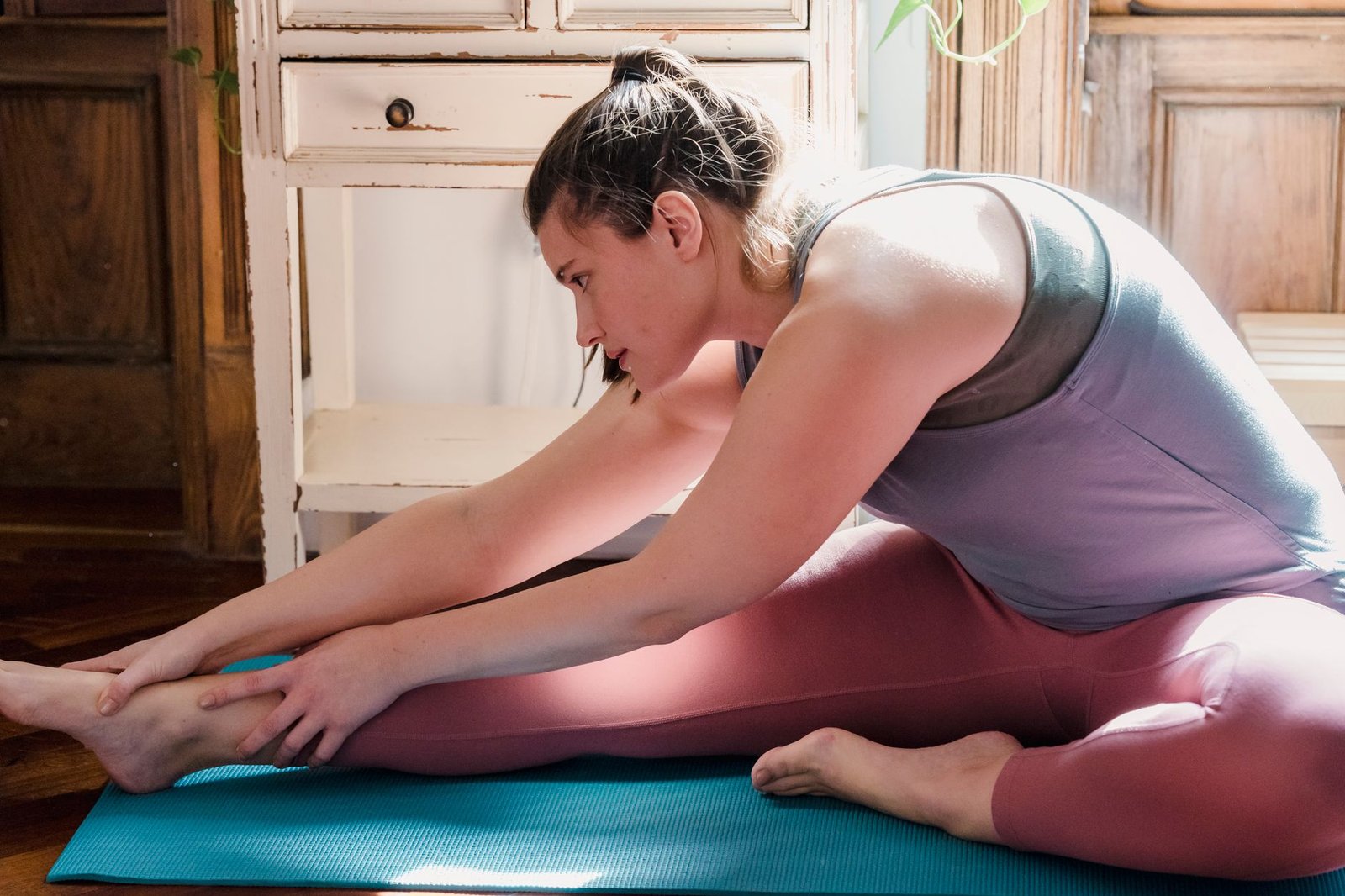
Chronic psychosocial stress places an extraordinary biomechanical load on the suboccipital muscle group—the four pairs of small muscles connecting the occipital bone to the atlas and axis vertebrae. These muscles possess the highest density of muscle spindles in the entire human body, serving as critical proprioceptive beacons that inform the brain of head position relative to the horizon. When an individual experiences emotional or cognitive overload, these muscles contract intensely to stabilize the visual field, creating the classic tension headache and reinforcing hypervigilance in the central nervous system. Releasing this suboccipital grip is one of the fastest ways to signal safety to the brainstem and reduce circulating cortisol.
The day four protocol utilizes a self-applied suboccipital release combined with gentle rotational micro-movements of the cervical spine. The practitioner lies supine with two tennis balls or a specialized foam support placed gently beneath the base of the skull, resting the weight of the head directly onto the apparatus. By slowly rotating the head a few degrees to the right and left while maintaining deep, diaphragmatic respiration, the practitioner applies sustained ischemic pressure to the suboccipital myofascial insertions. This mechanical pressure triggers a Golgi tendon organ reflex, forcing the muscle fibers to relax and releasing the dural attachments that connect the upper cervical spine directly to the intracranial dura mater.
Neurological Implications of Cervical Proprioception and Autonomic Tone
The dense proprioceptive input from the upper cervical spine projects directly into the trigeminocervical complex and the superior cervical ganglion, establishing a robust neuroanatomical link between neck tension and autonomic regulation. When suboccipital muscles remain chronically hypertonic, they send continuous aberrant signals to the vestibular nuclei and the nucleus tractus solitarius, creating a state of autonomic confusion that mimics physical danger. This ongoing neural signaling prompts the adrenal glands to maintain basal glucocorticoid secretion, keeping the individual in a persistent state of metabolic alert. Re-educating these tissues through somatic movement restores accurate sensory signaling, allowing the autonomic nervous system to return to a balanced parasympathetic baseline.
Clinical observations confirm that individuals who regularly release suboccipital tension experience significant improvements in heart rate variability (HRV), a primary clinical metric of autonomic resilience and stress adaptation. Higher HRV indicates a dynamic, responsive nervous system capable of shifting fluidly between sympathetic activation and parasympathetic restoration in response to environmental demands. By integrating daily cervical unwinding into the 7-day routine, practitioners directly enhance their physiological capacity to withstand acute stressors without triggering a prolonged, damaging cortisol spike.
Day 5: Shoulder Girdle and Pectoral Myofascial Remodeling
Day five addresses the anterior shoulder girdle and pectoral complexes, which chronically protract and collapse inward in response to defensive posturing, modern desk work, and emotional vulnerability. This rounded-shoulder posture depresses the sternum, compresses the brachial plexus and subclavian vessels, and limits the functional capacity of the thoracic cavity. Over time, this chronic shortening of the pectoralis major and minor muscles creates postural imbalances that strain the posterior scapular stabilizers, generating persistent muscular discomfort and a continuous stream of nociceptive stress signals to the brain. Correcting this pattern requires gentle, unresisted movements that reprogram the motor cortex to allow the shoulders to settle into a neutral, open alignment.
The primary somatic exercise for day five is the prone floor slide and rotation, executed with minimal muscular effort and absolute attention to sensory feedback. Lying prone with the forehead resting on a small towel, the arms are positioned in a goalpost configuration, and the practitioner slowly slides the hands and forearms a fraction of an inch along the floor without lifting the elbows into forced extension. This movement engages the middle and lower trapezius while simultaneously teaching the pectoral fascia to lengthen without triggering the myotatic stretch reflex. Practitioners should perform 10 to 12 slow repetitions, focusing entirely on the sensation of the scapulae gliding smoothly across the posterior ribcage.
Day 6: Pelvic Floor and Gluteal Somatic Integration
The sixth day focuses on the pelvic floor and gluteal complexes, which frequently store profound amounts of physical and emotional tension associated with chronic stress and survival responses. The pelvic floor musculature acts as the structural base of the core, working in tandem with the diaphragm, transversus abdominis, and multifidus to maintain intra-abdominal pressure and spinal stability. Under conditions of prolonged stress, the pelvic floor tends to grip or hypertonically contract, restricting pelvic mobility, impairing circulatory return from the lower extremities, and signaling persistent threat to the sacral parasympathetic nuclei. Releasing this deep pelvic bracing is essential for achieving full-body nervous system regulation and normalizing endocrine output.
To execute the pelvic floor somatic integration drill, the practitioner lies supine with knees bent and feet resting wider than hip-width apart. By performing gentle pelvic tilts—flattening the lumbar spine against the floor during an exhalation and allowing a natural arch to return during an inhalation—the practitioner creates a rhythmic pumping action that mobilizes the sacroiliac joints and massages the gluteal fascia. This movement is paired with intentional verbal or mental cues to soften and widen the pelvic outlet on each exhalation, directly encouraging the pelvic floor muscles to let go of residual tension. This practice integrates seamlessly with nutritional strategies, such as those outlined in High-Protein GLP-1 Diet Plan: 7-Day Meal Prep to Prevent Muscle Loss, ensuring that metabolic and neuromuscular systems recover synchronously.
Individuals with acute lumbar disc herniations, recent spinal surgery, or severe pelvic organ prolapse should consult a qualified physical therapist before performing deep pelvic tilts or loaded somatic pelvic movements. Stop immediately if any movement produces sharp, radiating nerve pain.
Day 7: Whole-Body Integration and Diurnal Rhythm Entrainment
The final day of the protocol synthesizes the preceding six days of targeted neuromuscular work into a cohesive, whole-body somatic integration flow. By day seven, the nervous system has begun to unlearn its habitual stress responses, allowing for a more harmonious dialogue between the motor cortex, the autonomic nervous system, and the endocrine organs. The objective of this final session is to lock in these neural adaptations and entrain the body’s natural diurnal cortisol rhythm, ensuring that cortisol peaks appropriately in the early morning hours to promote alertness and drops steadily throughout the day to facilitate restorative sleep.
The day seven routine begins with morning sunlight exposure combined with a 15-minute full-body somatic sequence that moves sequentially from the suboccipital region down through the shoulders, thoracic spine, psoas, and pelvic floor. Practitioners move slowly from supine breathing into gentle rotational movements, conscious pendiculations, and restorative resting poses. This comprehensive sequence reinforces the new neuromuscular pathways, providing the brain with a robust template of physical safety and efficient movement that can be replicated independently in the weeks and months ahead.

Long-Term Maintenance and Preventing Stress Relapse
Sustaining the cortisol-lowering benefits of this 7-day protocol requires transitioning from an intensive resetting phase into a sustainable, long-term maintenance routine. Chronic stress is an ongoing feature of modern existence, meaning that nervous system regulation cannot be achieved through a single week of intervention; rather, it demands consistent, lifelong neuro-hygiene practices. Practitioners should aim to integrate a 5-to-10-minute micro-somatic routine into their daily schedule, utilizing breathwork and pendiculation whenever they notice physical bracing or rising anxiety during the workday. This proactive approach prevents muscular tension from accumulating into chronic pain and stops minor stressors from triggering full-scale HPA axis activation.
Furthermore, aligning somatic practices with supportive lifestyle behaviors—such as maintaining consistent circadian light exposure, prioritizing adequate dietary protein to support neurotransmitter synthesis, and avoiding excessive caffeine intake—protects the endocrine system from burnout. By respecting the physiological limits of the neuromuscular system and utilizing conscious movement as a primary tool for stress mitigation, individuals can build lasting resilience against chronic pressure. The result is a robust, adaptable physiology capable of maintaining metabolic health, emotional equilibrium, and stable hormonal balance across the lifespan.
Frequently Asked Questions
How quickly can somatic exercises lower cortisol levels?
Biochemical markers such as salivary cortisol and heart rate variability demonstrate measurable improvements within a single session, often showing acute downregulation within 15 to 20 minutes of beginning vagal nerve-focused movement. When practiced consistently over a 7-day period, cumulative reductions in baseline cortisol become significantly more pronounced as the HPA axis re-establishes its normal diurnal rhythm. Long-term habituation of these somatic techniques leads to sustained reductions in allostatic load and improved autonomic resilience.
Can somatic exercises replace traditional workouts for stress relief?
Somatic exercises serve a distinct physiological purpose focused on nervous system regulation and neuromuscular re-education, making them complementary to, rather than a direct replacement for, cardiovascular and resistance training. While traditional exercise is essential for metabolic conditioning, bone mineral density, and cardiovascular health, it can occasionally elevate acute cortisol and sympathetic tone. Incorporating somatic routines alongside traditional training ensures a balanced physical regimen that supports both metabolic fitness and parasympathetic recovery.
Is it normal to feel emotional release during somatic movements?
Experiencing emotional releases—such as sudden sadness, spontaneous crying, deep sighing, or nervous shaking—is a well-documented and entirely normal physiological response to somatic movement. The human body stores chronic psychological stress and trauma within deep fascial networks and neuromuscular holding patterns; when these tissues finally release their tension, trapped autonomic arousal is safely discharged through the nervous system. Practitioners should allow these responses to occur without judgment, recognizing them as clear physical signs of successful neurological catharsis.
What time of day is optimal for performing this 7-day routine?
The optimal time to perform the routine depends on the individual’s specific cortisol dysregulation pattern, though performing the sequence in the late afternoon or early evening is generally most effective for down-regulating sympathetic tone before sleep. Individuals experiencing morning fatigue and sluggishness can also benefit from performing a shortened, 5-minute version upon waking to stimulate gentle diaphragmatic breathing and encourage a healthy morning cortisol awakening response. Consistency of timing is more critical than the exact hour, as regular daily practice helps entrain circadian endocrine rhythms.
Are these exercises safe for individuals with chronic back pain?
Somatic exercises are exceptionally gentle and generally safe for individuals with chronic back pain, as they emphasize slow, unresisted micro-movements that avoid triggering the protective muscle spasms often caused by traditional stretching. However, because back pain can stem from diverse structural pathologies such as disc herniations, spinal stenosis, or spondylolisthesis, practitioners must listen closely to their bodies and avoid any movement that provokes sharp or radiating pain. Consulting with a qualified clinical physiologist or physical therapist before beginning any new movement protocol is strongly advised for those with severe or unresolved musculoskeletal conditions.