
When patients transition from standard cooking oils to authentic extra virgin olive oil, they frequently experience a profound shift in systemic inflammatory markers. Yet, navigating supermarket shelves filled with misleading labels, rancid industrial batches, and deceptive processing terminology leaves health-conscious consumers vulnerable to purchasing inferior fats that offer none of the vascular benefits documented in landmark clinical trials. The true cardiovascular medicine inside a bottle of high-phenolic extra virgin olive oil resides not in its monounsaturated fatty acid profile alone, but in its minor fraction components—specifically secoiridoids like oleocanthal and oleuropein aglycone. These bioactive polyphenols function as potent pharmacological agents capable of modulating endothelial nitric oxide synthase, downregulating vascular cell adhesion molecules, and scavenging reactive oxygen species before they can initiate endothelial dysfunction. Understanding how to evaluate polyphenol concentration, harvest acidity, and geographic authenticity transforms a culinary fat into an indispensable preventive therapeutic for long-term arterial longevity.
- The Biochemical Architecture of Extra Virgin Olive Oil
- Decoding the Major Phenolic Compounds and Vascular Mechanisms
- Clinical Evidence from Landmark Cardiovascular Trials
- Comparative Analysis of Dietary Lipids and Phenolic Delivery Systems
- Understanding Quality Markers: Acridity, Bitterness, and Pungency
- The Myth of Smoke Point and Thermal Stability During Cooking
- Oxidative Degradation: Protecting Liquid Gold from Light and Air
- Global Certification Standards and Economic Adulteration
- Synergistic Lifestyle Integration for Optimal Vascular Health
- Practical Implementation Blueprint: A Four-Week Integration Protocol
- Frequently Asked Questions
- Can I cook with high-phenolic extra virgin olive oil without destroying the beneficial antioxidants?
- How can I verify if an olive oil actually contains high levels of polyphenols if the label does not specify?
- What is the ideal daily dosage of extra virgin olive oil required to achieve cardiovascular benefits?
- Does storing extra virgin olive oil in the refrigerator preserve its polyphenol content?
- Why do some expensive extra virgin olive oils taste smooth and buttery while others burn the throat?
Consuming 20 to 50 milliliters daily of early-harvest, high-phenolic extra virgin olive oil containing at least 500 mg/kg of total polyphenols significantly improves flow-mediated dilation and lowers oxidized LDL cholesterol. Consumers must prioritize certified single-origin oils with explicit harvest dates, opaque glass or tin packaging, and verified chemical parameters rather than relying on misleading marketing terms like light or pure. Implementing this clinical dietary protocol delivers measurable improvements in vascular compliance and systemic metabolic health within twelve weeks.
- Primary Mechanism / Finding: High-phenolic extra virgin olive oil reduces systemic inflammation by inhibiting NF-kB activation and lowering circulating oxidized LDL by up to 22% in clinical cohorts.
- Optimal Protocol / Top Pick: Daily raw ingestion of 30 mL of an early-harvest Picual or Koroneiki extra virgin olive oil with a total polyphenol count exceeding 600 mg/kg.
- Practical Alternative: Incorporating high-polyphenol finishing oils into cold Mediterranean meals to prevent thermal degradation of delicate secoiridoids.
- Critical Pitfall: Storing oil in clear glass bottles exposed to light and heat, which accelerates lipid peroxidation and destroys beneficial polyphenols within weeks.
The Biochemical Architecture of Extra Virgin Olive Oil
Extra virgin olive oil is not merely a cooking medium; it is a complex botanical lipid matrix composed of a major saponifiable fraction and a minor unsaponifiable fraction. The saponifiable fraction accounts for roughly 98 to 99 percent of the total weight and consists primarily of triacylglycerols rich in oleic acid, a monounsaturated omega-9 fatty acid. Oleic acid provides remarkable structural stability to cell membranes while resisting oxidative degradation compared to polyunsaturated fatty acids found in industrial seed oils. However, the true cardiovascular potency lies within the remaining 1 to 2 percent unsaponifiable fraction, which harbors over 200 distinct minor compounds.
This minor fraction houses hydrocarbons like squalene, phytosterols, triterpenic acids, and a diverse array of phenolic compounds that exhibit profound bioactivity in human vascular beds. When researchers isolate these phenolic fractions, they discover that compounds such as hydroxytyrosol and tyrosol act as exceptional direct scavengers of free radicals. Furthermore, these molecules exhibit synergistic interactions with the primary fatty acid matrix, enhancing the bioavailability of the entire nutritional compound upon ingestion. This biochemical interplay explains why refined olive oils stripped of their phenolic constituents during chemical processing fail to confer the robust cardiovascular protections demonstrated in clinical trials.
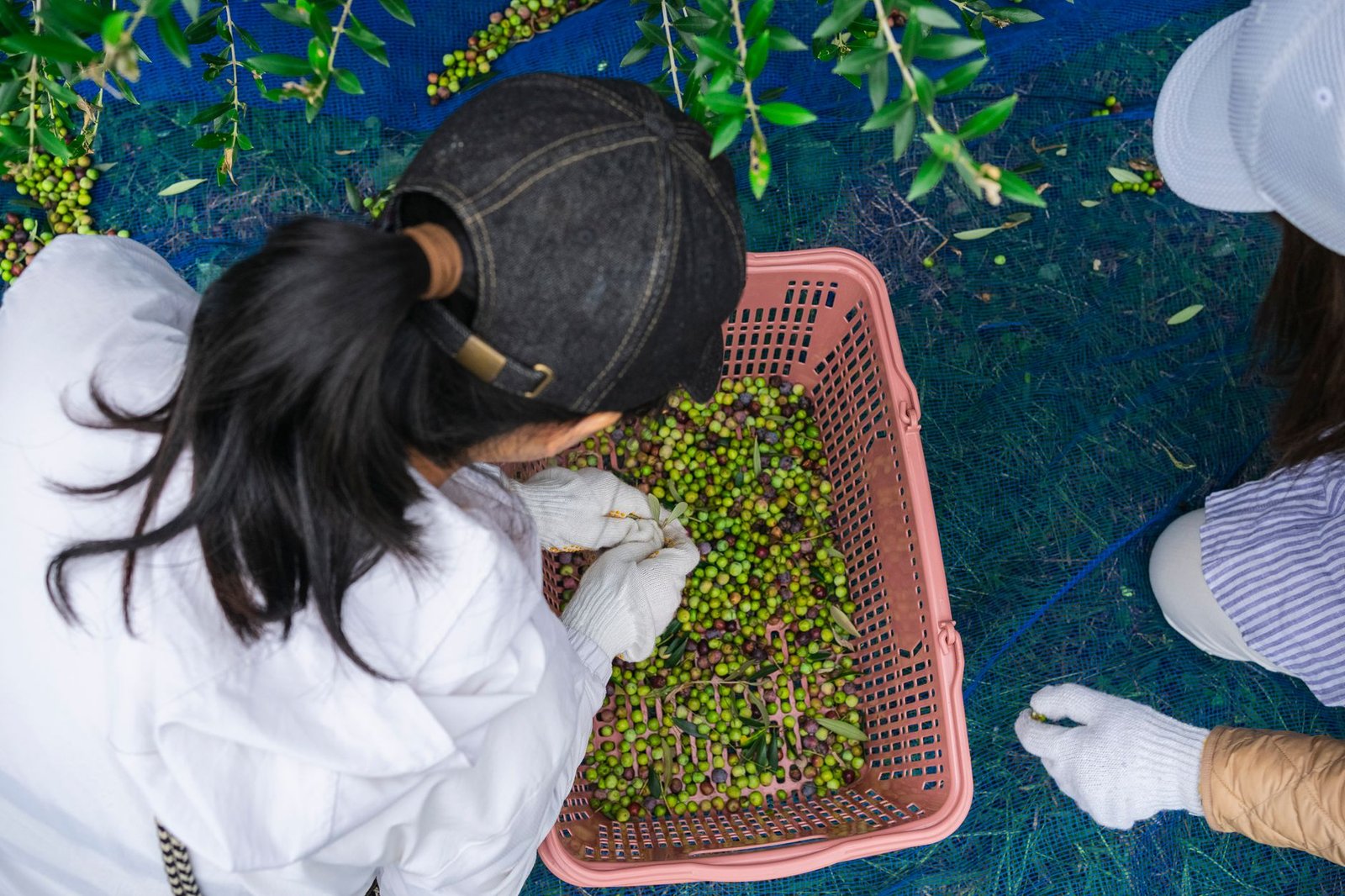
The concentration of these bioactive constituents depends heavily on agronomic factors, olive cultivar selection, and processing parameters at the mill. Early-harvest olives picked while still green yield significantly higher concentrations of secoiridoids than fully ripened black olives, though the total oil volume extracted per kilogram of fruit is lower. Modern two-phase centrifugation milling techniques, when performed at temperatures below 27 degrees Celsius, preserve these heat-sensitive phytonutrients by minimizing enzymatic oxidation during the malaxation phase. Consequently, mastering the biochemical signature of quality requires looking past colorful front-label branding and evaluating analytical laboratory certificates of analysis.
Decoding the Major Phenolic Compounds and Vascular Mechanisms
Within the complex spectrum of olive oil phenols, specific molecules drive the vast majority of documented cardiovascular benefits through distinct molecular pathways. Oleocanthal, a diahydroxyphenylethanol derivative of elenolic acid, shares a striking anti-inflammatory pharmacological profile with non-steroidal anti-inflammatory drugs like ibuprofen. By inhibiting cyclooxygenase enzymes COX-1 and COX-2 in a dose-dependent manner, oleocanthal suppresses chronic low-grade vascular inflammation without causing the gastrointestinal side effects associated with pharmaceutical interventions. This suppression dampens the recruitment of circulating monocytes to the vascular endothelium, halting the earliest stages of atherosclerotic plaque initiation.
Another titan in this molecular family is oleuropein aglycone, which exerts powerful hypotensive and vasoprotective effects through direct interactions with cellular signal transduction cascades. Upon digestion, oleuropein metabolites stimulate endothelial nitric oxide synthase expression, leading to increased production of nitric oxide within vascular smooth muscle cells. Nitric oxide serves as the primary endogenous vasodilator, regulating blood pressure, maintaining vascular tone, and preventing platelet aggregation along vulnerable arterial walls. Clinical studies confirm that regular consumption of oils rich in oleuropein aglycone leads to measurable improvements in endothelial-dependent flow-mediated dilation.
Hydroxytyrosol stands as arguably the most thoroughly researched antioxidant derived from the olive fruit, possessing one of the highest oxygen radical absorbance capacities among natural plant compounds. Once absorbed into the bloodstream, hydroxytyrosol concentrates in low-density lipoprotein particles, directly protecting them from oxidative modification by reactive oxygen species. Oxidized LDL is a primary driver of foam cell formation within the arterial intima, making this targeted protection a cornerstone of primary prevention. By neutralizing free radicals at the site of potential lipid peroxidation, hydroxytyrosol preserves the structural integrity of circulating lipoproteins.
When evaluating an extra virgin olive oil for therapeutic polyphenol content, seek out bottles that list harvest dates rather than just expiration dates. Oils retain peak phenolic activity for 12 to 18 months from the date of crush when stored in dark, temperature-controlled environments, after which degradation accelerates significantly.
Clinical Evidence from Landmark Cardiovascular Trials
The scientific foundation establishing extra virgin olive oil as a cardiovascular powerhouse rests on rigorous, large-scale randomized controlled trials and prospective epidemiological cohorts. The landmark PREDIMED trial stands as the gold standard of nutritional intervention research, demonstrating that a Mediterranean diet supplemented with extra virgin olive oil reduced major adverse cardiovascular events by approximately 30 percent compared to a control diet. This reduction occurred independently of weight loss, underscoring the direct pharmacological impact of the dietary fat matrix on human physiology and endothelial health.
Sub-analyses of the PREDIMED cohort revealed that participants in the extra virgin olive oil arm experienced significant reductions in systolic and diastolic blood pressure, improvements in insulin sensitivity, and favorable shifts in lipid subfraction profiles. Unlike low-fat dietary interventions that frequently reduce protective high-density lipoprotein cholesterol, the olive oil supplementation maintained or enhanced HDL functionality while driving down atherogenic particle counts. Furthermore, inflammatory biomarkers such as interleukin-6 and C-reactive protein dropped precipitously among study participants adhering to the high-polyphenol protocol over a multi-year follow-up period.
Complementing these human clinical trials, mechanistic studies like the EUROLIVE study provided direct proof that the phenolic fraction is the primary driver of these systemic improvements. By assigning participants to consume olive oils varying only in their polyphenol content while keeping fatty acid profiles identical, researchers proved that high-polyphenol oil increased HDL cholesterol concentrations and reduced oxidative damage markers in a dose-dependent manner. This definitive trial eliminated confounding variables, confirming that unrefined extra virgin olive oil operates as a functional medicine rather than a passive dietary caloric source.
Comparative Analysis of Dietary Lipids and Phenolic Delivery Systems
To fully appreciate the unique therapeutic value of extra virgin olive oil, clinicians must examine how it compares against other dietary fats and alternative culinary delivery systems. The table below outlines key parameters across various lipid interventions, detailing their thermal ranges, primary biological mechanisms, and evidence levels.
| Protocol / Intervention | Thermal / Dose Range | Primary Biomarker / Mechanism | Clinical Evidence Level | Target Population |
|---|---|---|---|---|
| High-Phenol Extra Virgin Olive Oil | Raw / Low heat, 30-50 mL daily | Reduced oxidized LDL, increased endothelial nitric oxide synthase | Level 1A (RCT / PREDIMED) | Cardiovascular disease prevention, metabolic syndrome |
| Refined Olive Oil | High heat, variable dose | Provides oleic acid, lacks secoiridoid antioxidant activity | Level 2B (Observational) | General culinary use without targeted polyphenol therapy |
| Standard Canola Oil | Moderate heat, variable dose | Omega-6/omega-3 balance, minimal active polyphenols | Level 2A (Epidemiological) | Standard dietary fat replacement |
| Refined Seed Oils (Soybean/Corn) | High heat processing | Promotes pro-inflammatory eicosanoid pathways if unbalanced | Level 3 (Mechanistic caution) | Individuals seeking to lower systemic inflammatory load |
| Extra Virgin Olive Oil + Resistance Training | 30 mL daily + 3x weekly training | Synergistic insulin sensitivity enhancement and flow-mediated dilation | Level 1B (Clinical crossover) | Aging adults focused on lean mass and arterial compliance |
Understanding Quality Markers: Acridity, Bitterness, and Pungency
Sensory evaluation serves as an accessible, highly reliable diagnostic tool for identifying authentic high-phenolic extra virgin olive oil before laboratory verification. The human gustatory and olfactory systems possess exquisite sensitivity to specific chemical constituents within the olive fruit, translating molecular presence directly into taste perceptions. Bitterness is perceived on the back of the tongue and is directly correlated with the presence of secoiridoid aglycones such as oleuropein. An oil completely lacking bitterness has invariably undergone chemical refinement or is derived from overripe, degraded fruit.
Pungency, or acridity, manifests as a distinct stinging sensation in the back of the throat that frequently induces a mild cough reflex in unsuspecting tasters. This sensory marker is caused exclusively by the presence of oleocanthal, confirming the biochemical activity responsible for the oil’s anti-inflammatory properties. Oils that produce a harsh, scratchy burn without fruitiness may indicate poor milling technique or rancidity, whereas a clean, peppery snap accompanied by fresh green herb aromas signals exceptional artisanal production. Cultivating an educated palate allows consumers to bypass marketing deceptions and select oils with verified therapeutic potency.
Fruitiness rounds out the primary positive sensory triad, encompassing green or ripe olfactory notes that reflect the aromatic profile of freshly crushed olives. Green fruitiness is characterized by aromas reminiscent of freshly cut grass, green banana, artichoke, and green almond, typical of early-harvest extraction. Ripe fruitiness presents sweeter, more subdued floral and nutty profiles derived from later harvests. Combining these three sensory indicators provides an immediate preliminary screening method for identifying therapeutic extra virgin olive oils rich in health-promoting secondary metabolites.
The Myth of Smoke Point and Thermal Stability During Cooking
A widespread culinary misconception dictates that extra virgin olive oil should never be heated due to a low smoke point, pushing home cooks toward unstable refined seed oils. In reality, authentic extra virgin olive oil possesses a smoke point ranging from 190 to 210 degrees Celsius, comfortably exceeding standard home sautéing, roasting, and pan-frying temperatures. More importantly, smoke point is a poor indicator of thermal degradation compared to oxidative stability, which is dictated by the fatty acid profile and antioxidant concentration.
The high concentration of monounsaturated oleic acid, combined with robust levels of polyphenols and tocopherols, grants extra virgin olive oil exceptional resistance to thermal oxidation during cooking. When subjected to high heat, the phenolic compounds act as sacrificial antioxidants, degrading slowly to protect the core triacylglycerol matrix from forming harmful polar compounds and peroxides. Studies evaluating domestic frying conditions demonstrate that extra virgin olive oil retains significant amounts of its bioactive polyphenols even after prolonged thermal exposure, outperforming most polyunsaturated cooking oils.
Nevertheless, for maximal therapeutic delivery of heat-sensitive volatile aromas and delicate secoiridoids, raw ingestion remains the undisputed clinical gold standard. Incorporating high-phenolic oils as finishing drizzles over cooked vegetables, soups, and proteins preserves 100 percent of the volatile profile while maximizing systemic bioavailability. Pairing this culinary practice with supportive lifestyle interventions, such as following a progressive resistance training after 30 step-by-step muscle and bone preservation guide, creates a comprehensive protocol for lifelong functional vitality.
Oxidative Degradation: Protecting Liquid Gold from Light and Air
Unlike wine, which can improve with age under controlled cellar conditions, extra virgin olive oil is a perishable biological product that begins degrading the moment it is extracted from the fruit. Light, heat, oxygen, and trace metals act as primary catalysts for lipid peroxidation and enzymatic hydrolysis, rapidly converting therapeutic polyphenols into inert breakdown products. Ultraviolet and visible light penetrate clear glass and plastic containers, exciting chlorophyll molecules that subsequently generate singlet oxygen species, initiating rapid rancidity.
To preserve the delicate chemical structure of high-phenolic oils, packaging and storage parameters require rigorous attention to detail. Consumers should exclusively purchase oils housed in opaque dark glass bottles, heavy-gauge stainless steel tins, or bag-in-box systems that completely eliminate light penetration. Furthermore, minimizing headspace inside opened containers and ensuring caps are tightly sealed immediately after use prevents atmospheric oxygen from reacting with vulnerable unsaturated bonds.
Kitchen storage location dictates the longevity of the oil’s medicinal properties just as much as container selection. Storing bottles directly adjacent to stovetops exposes the lipids to continuous thermal fluctuations that accelerate chemical degradation within days. Instead, oils should be kept in cool, dark pantries maintaining stable ambient temperatures between 15 and 20 degrees Celsius. Adhering to these strict storage protocols ensures that every tablespoon consumed delivers the exact biochemical potency required for cardiovascular protection.
Individuals with severe chronic gallbladder disease or those taking high-dose anticoagulant medications must consult their managing physician before initiating high-dose therapeutic olive oil protocols. While generally safe, concentrated cholagogue effects can stimulate robust gallbladder contractions in compromised patients.
Global Certification Standards and Economic Adulteration
The global marketplace for olive oil is fraught with economic adulteration, fraudulent labeling, and widespread counterfeiting that undermines consumer health objectives. Commercial fraud frequently involves diluting expensive extra virgin olive oil with cheaper, chemically refined seed oils, or misrepresenting lower-grade lampante oils as extra virgin through chemical deodorization. To combat this pervasive issue, international governing bodies like the International Olive Council have established stringent chemical and sensory standards that define authentic extra virgin status.
Chemical markers of true extra virgin oil include a free acidity level expressed as oleic acid of less than 0.8 percent, a peroxide value below 20 milliequivalents of active oxygen per kilogram, and specific ultraviolet absorption limits (K232 and K270) that confirm the absence of oxidation or refining. However, because fraudulent producers can artificially manipulate these basic parameters, advanced analytical laboratories now employ high-performance liquid chromatography to verify specific phenolic fingerprints and geographic origin markers. Purchasing oils bearing rigorous third-party certifications provides an essential layer of consumer protection.
Geographic Protected Designation of Origin labels from the European Union offer additional legal guarantees regarding authenticity, requiring traceability from specific groves to certified milling facilities. Consumers can also look for independent seals from verified quality syndicates that test chemical parameters independently of commercial bottlers. Prioritizing transparency and traceability ensures that invested financial resources translate directly into genuine cardiovascular medicine.
Synergistic Lifestyle Integration for Optimal Vascular Health
Consuming high-phenolic extra virgin olive oil represents a powerful therapeutic pillar, but its cardiovascular efficacy is dramatically amplified when integrated into a comprehensive health regimen. Vascular endothelial function relies heavily on systemic metabolic stability, efficient cellular hydration, and regular mechanical stimulation of arterial walls through physical exertion. Pairing nutritional interventions with structured recovery protocols ensures that the cardiovascular system maintains optimal elasticity and responsiveness across the lifespan.
Cellular hydration plays a fundamental role in maintaining blood viscosity and microvascular perfusion, allowing bioavailable polyphenols to reach distant endothelial beds efficiently. Ensuring adequate cellular fluid status requires attention to mineral balance, as detailed in approaches similar to electrolyte balance and cellular hydration why plain water is not always enough for optimal energy. When cellular electrolyte gradients are tightly regulated, vascular smooth muscle cells respond more predictably to nitric oxide signaling cascades induced by olive oil phenolics.
Furthermore, managing daily physical stress and musculoskeletal tension prevents chronic sympathetic nervous system dominance, which constricts peripheral blood vessels and opposes the vasodilatory effects of healthy dietary fats. Addressing physical restrictions through somatic and ergonomic corrections—similar to strategies outlined in beyond somatics the unspoken truth about erasing stubborn desk back pain—reduces neurogenic inflammation. Unifying dietary phenolic therapy with targeted movement, hydration, and stress mitigation creates an unyielding defense against cardiovascular degeneration.
Practical Implementation Blueprint: A Four-Week Integration Protocol
Successfully transitioning to a therapeutic, high-phenolic extra virgin olive oil regimen requires a systematic, step-by-step approach that accommodates individual sensory preferences and digestive adaptation. Below is a structured four-week protocol designed to optimize cardiovascular biomarkers safely and effectively.
- Week 1: Sourcing and Sensory Baseline. Procure a certified single-origin, early-harvest extra virgin olive oil with a documented polyphenol count exceeding 500 mg/kg. Introduce 10 mL daily as a raw finishing oil over steamed vegetables to acclimate the palate to bitterness and pungency.
- Week 2: Dosage Escalation. Increase daily ingestion to 20 mL divided into two doses (morning and evening). Maintain meticulous storage conditions in a dark pantry, ensuring bottles remain tightly capped away from thermal sources.
- Week 3: Therapeutic Integration. Reach the target therapeutic intake of 30 to 50 mL daily. Utilize specific high-phenocanthal profiles for raw applications while reserving standard mild extra virgin oils for gentle sautéing if needed.
- Week 4: Biomarker Verification and Habit Lock-In. Standardize the daily protocol into existing meal patterns. Schedule follow-up lipid panels and inflammatory marker blood tests with a clinical physician to quantify physiological improvements.
Frequently Asked Questions
Can I cook with high-phenolic extra virgin olive oil without destroying the beneficial antioxidants?
Yes, you can cook with high-phenolic extra virgin olive oil safely. While extreme prolonged heating will cause some degradation of volatile aromas and delicate phenolic compounds, the robust monounsaturated fatty acid profile and high initial antioxidant concentration protect the oil from rapid thermal oxidation. When cooking at moderate temperatures, the polyphenols act as sacrificial barriers, preserving the integrity of the fatty acids. However, for maximum cardiovascular efficacy, consuming high-phenolic oils raw as a finishing oil remains the optimal clinical recommendation.
How can I verify if an olive oil actually contains high levels of polyphenols if the label does not specify?
If a commercial label does not provide specific laboratory metrics, you can rely on sensory evaluation as a secondary indicator. Authentic high-phenolic oils will exhibit a pronounced bitter taste on the back of the tongue and a sharp, peppery pungency in the throat that frequently triggers a mild cough. Additionally, look for single-origin harvesting information, explicit crush dates within the past 12 months, and dark opaque packaging. Reputable artisanal producers will often publish complete certificates of analysis on their websites upon request.
What is the ideal daily dosage of extra virgin olive oil required to achieve cardiovascular benefits?
Clinical trials such as PREDIMED and EUROLIVE typically utilize therapeutic ranges between 30 and 50 milliliters (approximately two to three tablespoons) per day. This dosage provides a sufficient pharmacological concentration of secoiridoids and oleic acid to significantly improve endothelial function, lower blood pressure, and reduce oxidized LDL particles. It is vital to incorporate these calories mindfully into an eucaloric dietary framework to prevent unwanted weight gain while capturing therapeutic benefits.
Does storing extra virgin olive oil in the refrigerator preserve its polyphenol content?
Refrigeration is generally unnecessary and counterproductive for daily use. While cold storage slows down oxidative degradation slightly, it causes the monounsaturated fats to solidify and condense, making the oil difficult to pour. More importantly, repeated temperature fluctuations and moisture condensation every time the bottle is removed from the cold environment can introduce water and accelerate spoilage. Storing the oil in a cool, dark pantry between 15 and 20 degrees Celsius is the ideal storage method.
Why do some expensive extra virgin olive oils taste smooth and buttery while others burn the throat?
The smooth, buttery profile often found in mass-market commercial oils typically results from late-harvest olives, extensive blending of refined and virgin oils, or aggressive industrial filtration that strips away the minor phenolic fraction. Conversely, the sharp, throat-burning sensation is caused by oleocanthal, a potent natural anti-inflammatory compound found abundantly in early-harvest green olives. A strong peppery kick and robust bitterness are definitive hallmarks of exceptional, authentic therapeutic quality rather than culinary flaws.