
Sedentary office work creates a cascade of metabolic inefficiencies that compound over decades of professional life. When human skeletal muscle remains inactive for prolonged periods, the molecular signaling pathways responsible for lipid oxidation and glucose uptake shut down almost entirely. Lipoprotein lipase, an essential vascular wall enzyme that clears triglycerides from the bloodstream, experiences a drastic drop in activity when sitting for more than sixty consecutive minutes. This biochemical standstill leads directly to postprandial lipemia, systemic low-grade inflammation, and accelerated mitochondrial decline. The modern knowledge worker faces an uphill battle against an environment engineered for stillness, where cognitive output is prioritized at the direct expense of metabolic health.
- The Physiological Crisis of Prolonged Sitting
- The Role of Lipoprotein Lipase in Fat Oxidation
- Skeletal Muscle Glucose Uptake and Insulin Sensitivity
- Anatomy of a 200-Calorie 15-Minute Session
- Caloric Expenditure Mathematics and Metabolic Equivalents
- Optimizing Ground Reaction Forces and Joint Mechanics
- The Step-by-Step 15-Minute Protocol
- Ergonomic Integration: Typing and Walking Simultaneously
- Equipment Selection: Choosing the Right Walking Pad
- Common Pitfalls and Form Corrections
- Integrating Movement into a 40-Hour Workweek
- Frequently Asked Questions
- Will walking while typing ruin my typing speed or accuracy?
- How do I prevent lower back pain while using an under-desk treadmill?
- Can I lose weight effectively with just 15 minutes of walking per day?
- What is the ideal speed and incline for burning 200 calories in 15 minutes?
- Is it safe to use an under-desk walking pad every single day?
Traditional fitness solutions often fail this demographic because they demand large blocks of time, intense physical exertion, or gym memberships that require leaving the workspace. Desk workers need interventions that integrate effortlessly into a demanding workday without inducing debilitating fatigue or cognitive disruption. A targeted, short-duration movement strategy can counteract the systemic harms of prolonged sitting by reactivating major muscle groups and stimulating thermogenesis. By utilizing a compact under-desk treadmill, professionals can bridge the gap between sedentary desk labor and active physiological maintenance. This guide outlines an evidence-backed protocol designed to elevate energy expenditure, protect metabolic function, and fit seamlessly into a busy schedule.
Executing a calibrated 15-minute high-cadence walking pad session at a modest incline rapidly stimulates skeletal muscle glucose uptake and elevates post-exercise oxygen consumption. Desk workers can burn up to 200 calories by combining moderate walking speeds with structured interval pacing and light upper-body stabilization. This protocol prevents postprandial blood sugar spikes, stimulates mitochondrial biogenesis, and requires zero disruption to professional workflow.
- Primary Mechanism / Finding: Activating the soleus and gastrocnemius muscles via rhythmic walking increases non-exercise activity thermogenesis (NEAT) and restores lipoprotein lipase activity by up to tenfold.
- Optimal Protocol / Top Pick: A 15-minute interval walking session at 2.8 to 3.5 miles per hour with variable incline bursts targeting a heart rate of 110 to 125 beats per minute.
- Practical Alternative: Integrating three separate 5-minute micro-walks throughout the workday to maintain steady baseline glucose utilization without sweating through professional attire.
- Critical Pitfall: Maintaining poor posture or leaning heavily on desk surfaces, which reduces core activation, compromises gait biomechanics, and diminishes total caloric output.
The Physiological Crisis of Prolonged Sitting
Human physiology evolved under conditions of constant physical movement, food scarcity, and dynamic postural shifts. When an individual spends eight to ten hours daily in a seated position, skeletal muscles enter a state of metabolic hibernation. Type I slow-twitch muscle fibers, which are rich in mitochondria and specialized for sustained aerobic oxidation, receive minimal neural stimulation. This sustained physical inactivity downregulates the expression of glucose transporter type 4 (GLUT4) proteins on cell membranes, reducing the capacity of muscle tissue to clear circulating glucose effectively.
Beyond glucose dysregulation, the lack of muscular contraction curtails local blood flow and shear stress within vascular endothelial walls. Reduced shear stress impairs the production of nitric oxide, a vital signaling molecule responsible for vasodilation and vascular health over time. Chronic endothelial dysfunction lays the biological groundwork for hypertension, arterial stiffness, and systemic cardiovascular strain. Integrating an under-desk treadmill routine directly interrupts this destructive cascade by restoring regular muscle contractions and mechanical blood vessel stimulation.
Furthermore, sitting deactivates the postural stabilizers of the spine, pelvis, and hips, leading to adaptive shortening of the hip flexors and persistent inhibition of the gluteal complex. This muscular imbalance alters spinal alignment, increases compressive forces on the lumbar discs, and creates chronic musculoskeletal discomfort. A structured walking pad routine recruits the posterior chain, strengthens deep core stabilizers, and counteracts the postural deformities associated with desk-bound employment. Maintaining active movement habits is not merely an aesthetic choice; it is a clinical requirement for long-term physiological preservation.
The Role of Lipoprotein Lipase in Fat Oxidation
Lipoprotein lipase (LPL) serves as the gatekeeper for lipid metabolism, anchoring itself to the capillary walls of skeletal muscle and adipose tissue. In skeletal muscle, active LPL hydrolyzes circulating triglycerides, freeing fatty acids for local cellular oxidation. When a person sits continuously, muscle LPL activity plummets to near-zero levels, shifting the body toward fat storage and elevating circulating atherogenic lipids. Landmark studies published in scientific journals demonstrate that even low-intensity muscular contractions can restore LPL activity to normal or elevated baseline levels almost immediately.
By engaging in a brief walking pad session, desk workers stimulate local capillary blood flow and mechanical stretch receptors within the muscle tissue. This mechanical activation triggers intracellular signaling cascades that upregulate LPL transcription and translation. Consequently, circulating triglycerides are cleared more efficiently from the bloodstream, reducing postprandial lipemia and supporting overall metabolic health. This mechanism highlights why sporadic short walks yield disproportionately large health benefits compared to remaining sedentary all day followed by a single evening workout.
The oxidation of these mobilized fatty acids also spares glycogen reserves, preserving cellular energy stores for cognitive tasks. When combined with consistent daily habits like a 30-day walking pad workout plan for beginners, individuals establish a robust foundation for sustainable fat loss and metabolic optimization. Understanding this enzymatic shift empowers professionals to view movement not as a chore, but as a direct biological intervention for lipid management.
Skeletal Muscle Glucose Uptake and Insulin Sensitivity
Insulin-stimulated glucose disposal depends heavily on the translocation of GLUT4 vesicles to the plasma membrane of muscle fibers. In sedentary individuals, insulin resistance frequently develops because this translocation pathway becomes blunted or unresponsive. However, skeletal muscle contraction engages an insulin-independent pathway mediated by 5′-adenosine monophosphate-activated protein kinase (AMPK). AMPK acts as the master regulator of cellular energy homeostasis, sensing drops in ATP and activating mechanisms to generate new fuel.
When you initiate a walking pad session, the contracting muscles demand ATP, causing intracellular calcium ions and AMPK to surge. This biochemical cascade forces GLUT4 transporters to the cell surface independently of insulin, allowing glucose to enter the muscle cells directly from the bloodstream. This insulin-independent glucose uptake is particularly beneficial for individuals with prediabetes or early-stage metabolic syndrome. Regular execution of low-impact walking routines enhances overall insulin sensitivity, ensuring that subsequent meals are processed efficiently without triggering exaggerated insulin spikes.
The cumulative effect of multiple short walking bouts throughout the workday is a significantly flattened glycemic curve. Blood glucose remains stable, eliminating the post-lunch energy crashes that plague office workers. By leveraging muscle contraction as a non-pharmacological glucose sink, desk workers protect their pancreatic beta cells and maintain steady cognitive focus throughout the afternoon.
Anatomy of a 200-Calorie 15-Minute Session
Achieving a significant caloric expenditure of 200 calories within a condensed 15-minute window requires an intentional approach to exercise intensity, biomechanics, and physical load. Standard, casual strolling typically burns between 60 and 80 calories over fifteen minutes, which falls short of the target. To elevate energy expenditure to the 200-calorie threshold, the protocol must manipulate multiple physiological variables simultaneously. This involves optimizing walking speed, incorporating calculated incline phases, and engaging the upper body to maximize total oxygen consumption.
Energy expenditure is fundamentally a function of body mass, movement velocity, terrain grade, and mechanical efficiency. While individuals with higher baseline body weights will expend more calories under identical conditions, lighter individuals can bridge the gap by increasing speed and incorporating resistance elements. The targeted 15-minute protocol utilizes interval pacing to elevate the heart rate into the moderate aerobic zone (Zone 2), ensuring maximal fat oxidation alongside total caloric burn. Every minute is structured to challenge the cardiovascular system without compromising typing accuracy or posture.
Structuring this routine requires precise timing and adherence to specific pace transitions. Beginning with a gradual warm-up prepares the cardiovascular and musculoskeletal systems for the impending workload. The middle phases introduce brisk intervals and incline modifications that push the metabolic rate upward. Finally, a structured cool-down prevents blood pooling in the lower extremities and brings the heart rate safely back to baseline. This meticulous design guarantees optimal results without requiring excessive physical recovery.
Caloric Expenditure Mathematics and Metabolic Equivalents
Caloric burn during physical activity is measured using Metabolic Equivalents of Task (METs), where one MET represents the resting metabolic rate of an individual sitting quietly. Standard walking at 2.5 miles per hour on a flat surface equates to approximately 3.0 to 3.5 METs. To reach a higher caloric output within fifteen minutes, the exercise intensity must be elevated to a range of 6.0 to 8.0 METs. This elevated MET level is achieved by combining a brisk walking velocity of 3.5 to 4.0 miles per hour with a 3 to 5 percent incline.
For a person weighing approximately 180 pounds (81.6 kg), burning 200 calories in 15 minutes requires an average energy expenditure rate of roughly 13.3 calories per minute. This high output demands an elevated heart rate, increased ventilation, and robust recruitment of fast-twitch muscle fibers alongside primary slow-twitch movers. While challenging, this intensity is entirely achievable for conditioned desk workers utilizing a motorized walking pad equipped with incline capabilities. The mathematics of energy balance confirm that short, high-density movement bouts can match or exceed the caloric yield of longer, sedentary-paced walks.
It is essential to recognize that post-exercise oxygen consumption (EPOC) further enhances the overall energy cost of the routine. Following a high-cadence walking interval, the body expends additional calories over the subsequent hours to restore intracellular homeostasis, replenish ATP stores, and clear metabolic byproducts. This metabolic afterburn ensures that the physiological benefits of the 15-minute session extend long after the treadmill belt stops moving.
Optimizing Ground Reaction Forces and Joint Mechanics
Low-impact exercise does not mean zero impact; rather, it refers to maintaining continuous contact between the foot and the walking surface, eliminating the airborne phase characteristic of running. This distinction is crucial for desk workers prone to lower back pain, knee stiffness, or ankle instability. Walking pads typically feature cushioned decking or multi-layer shock absorption systems designed to attenuate ground reaction forces, protecting the articular cartilage of the knees and hips.
During a high-cadence walking session, optimal biomechanics require a heel-strike landing followed by a smooth roll through the midfoot and a powerful push-off via the toes. Overstriding—reaching too far forward with the lead foot—creates a braking effect that increases shock transmission up the kinetic chain. Maintaining a shorter stride length directly beneath the center of mass preserves joint integrity and enhances propulsion efficiency. Proper foot placement reduces shear stress on the patellar tendon and prevents overuse injuries in the lower extremities.
Arm swing also plays an active role in maintaining momentum and balancing rotational forces generated by the pelvis. Even when hands are positioned near a keyboard or desk surface, allowing a natural, relaxed elbow flexion and reciprocal arm swing increases upper body muscular recruitment. This subtle mechanical adjustment contributes to the total caloric expenditure required to hit the 200-calorie milestone. Attention to form transforms a simple office walk into a precise clinical exercise protocol.
The Step-by-Step 15-Minute Protocol
Executing the 200-calorie protocol requires a structured timeline that balances high-intensity work intervals with brief stabilization phases. The session is divided into three distinct 5-minute blocks, each serving a unique physiological purpose. This structured approach prevents premature fatigue and ensures that the cardiovascular system adapts smoothly to the escalating workload. Desk workers can easily track these intervals using a standard digital timer or smartphone application.
Preparation is vital for seamless execution within a professional environment. Before stepping onto the walking pad, ensure that your workspace ergonomics are properly adjusted. Keyboard height, monitor placement, and mouse accessibility must accommodate movement without forcing the spine into awkward flexion or rotation. Having a water bottle within arm’s reach ensures adequate hydration throughout the session without requiring interruptions.
The following detailed protocol outlines the exact speeds, inclines, and focus points for each minute of the 15-minute routine. Adhering closely to these parameters guarantees maximum caloric burn and metabolic stimulation. Consistency in executing these intervals transforms an ordinary under-desk device into a powerful clinical tool for longevity and fat loss.
- Minutes 1 to 3 (Warm-Up): Set speed to 2.2 mph with a 0% incline. Focus on establishing a relaxed stride, deep diaphragmatic breathing, and comfortable posture.
- Minutes 4 to 6 (Pace Elevation): Increase speed to 3.0 mph and introduce a 2% incline. Begin engaging core stabilizers and rhythmic arm swings.
- Minutes 7 to 9 (High-Intensity Interval): Elevate speed to 3.6 mph with a 4% incline. This phase drives the heart rate into Zone 2/3, maximizing caloric expenditure.
- Minutes 10 to 12 (Active Recovery & Typing): Reduce speed to 2.5 mph with a 1% incline. Focus on precise typing, stable upper body posture, and steady respiration.
- Minutes 13 to 15 (Final Push & Cool-Down): Return speed to 3.4 mph for two minutes of vigorous walking, followed by a final minute at 2.0 mph with a 0% incline to normalize heart rate.
If your walking pad lacks an incline feature, you can replicate the physiological intensity required to burn 200 calories by increasing your walking speed by 0.4 mph and carrying light 1-pound wrist weights during the high-intensity intervals.
Ergonomic Integration: Typing and Walking Simultaneously
Mastering the art of working while walking requires a fundamental shift in motor control and neuromuscular coordination. Performing fine motor tasks such as typing, data analysis, or graphic design while maintaining a forward progression on a moving belt challenges the central nervous system. The brain must simultaneously manage bipedal locomotion, postural stabilization, and complex cognitive processing. Initially, this dual-task environment can cause temporary reductions in typing speed or accuracy.
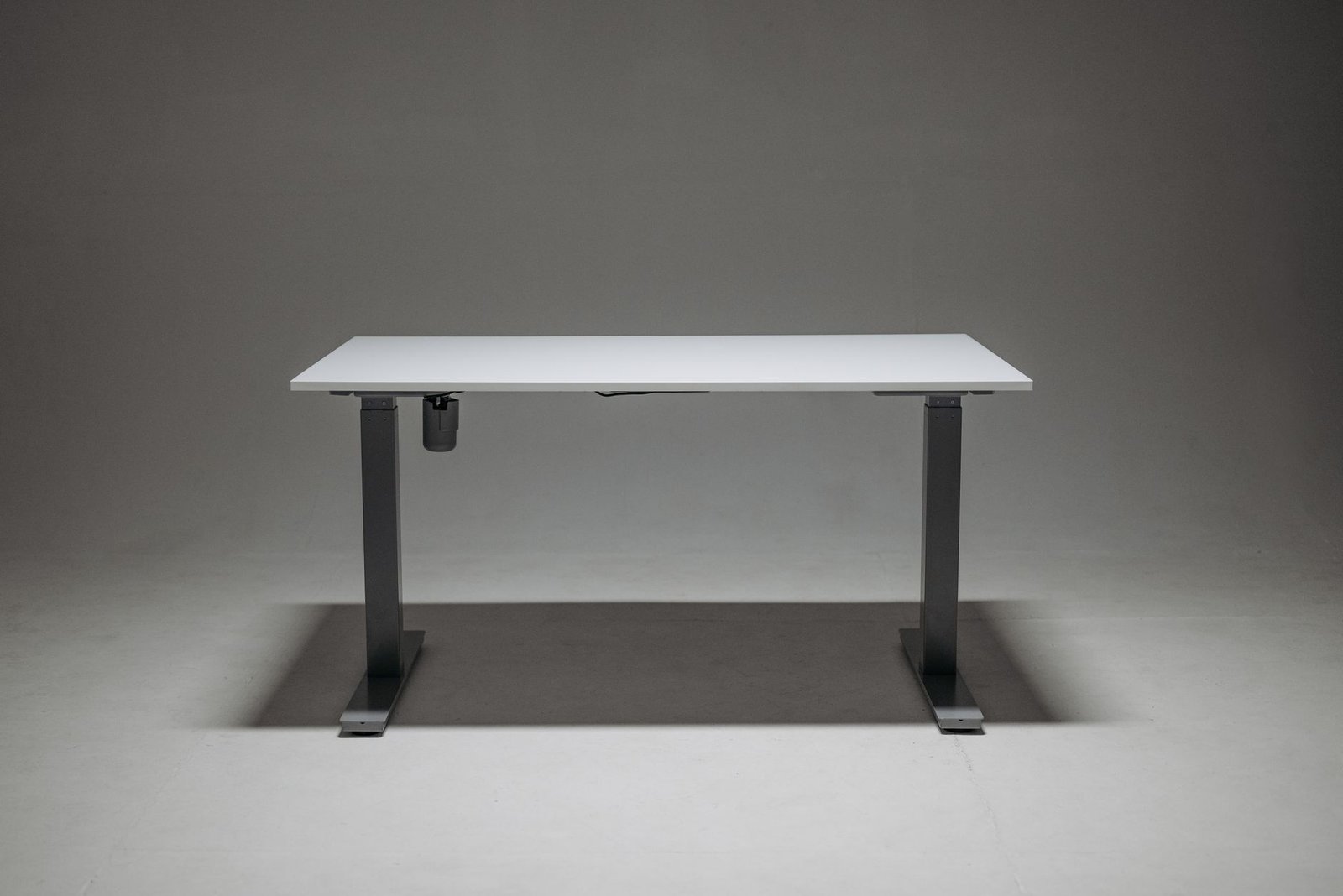
To overcome this adaptation hurdle, desk workers must establish proper physical dimensions within their workstation setup. The standing desk must be raised to a height where the elbows form a comfortable 90-to-100-degree angle, preventing the shoulders from shrugging upward. If the desk is too low, the individual will hunch forward, compromising spinal alignment and restricting thoracic cage expansion. Conversely, if the desk is too high, wrist extension increases, elevating the risk of carpal tunnel strain and repetitive stress injuries.
Optimizing visual ergonomics is equally critical for preventing neck strain during movement. The top third of computer monitors should align with eye level, ensuring that the cervical spine remains in a neutral, upright position. Looking downward at a laptop screen while walking forces the head forward, creating excessive mechanical load on the cervical extensors and thoracic spine. Utilizing an external monitor or a laptop riser stabilizes the visual field, making sustained work during walking sessions smooth and comfortable.
Cognitive Performance and Neuroplasticity Benefits
Far from impairing professional productivity, low-intensity walking routines enhance cognitive function and executive control. Physical activity increases cerebral blood flow, delivering vital oxygen and glucose to the prefrontal cortex and hippocampus. This surge in cerebral perfusion upregulates the production of brain-derived neurotrophic factor (BDNF), a key protein that promotes neuroplasticity, synaptic growth, and memory consolidation. Desk workers frequently report heightened mental clarity and sustained focus following a midday walking session.
Clinical trials investigating acute bouts of aerobic exercise demonstrate improvements in working memory, task switching speed, and creative problem-solving. The rhythmic nature of walking induces a mild sensory-motor synchronization that calms hyperactive neural circuits and reduces acute stress. For individuals dealing with mental fatigue or afternoon brain fog, stepping onto a walking pad serves as a potent cognitive reset. Integrating movement into the workday supports both professional output and long-term neurological health.
Furthermore, pairing physical activity with routine administrative tasks, email management, or reading documents maximizes time efficiency. Complex tasks requiring deep analytical writing can be scheduled for periods when the walking pad is turned off, while routine communication and review tasks fit perfectly during movement blocks. This strategic division of labor ensures that physical health initiatives do not compromise professional responsibilities. Movement and productivity exist in a synergistic relationship rather than a competitive one.
Equipment Selection: Choosing the Right Walking Pad
Selecting an under-desk walking pad requires careful evaluation of technical specifications, build quality, and safety features. Unlike traditional gym treadmills designed for high-speed running, walking pads are engineered for compact storage, quiet operation, and low-speed endurance. The market offers a vast array of models ranging from ultra-slim budget units to heavy-duty commercial-grade devices. Understanding key performance metrics ensures that purchasers invest in equipment capable of supporting daily professional use.
Motor horsepower is a primary consideration when evaluating walking pad reliability. Continuous horsepower (CHP) ratings indicate the motor’s ability to maintain sustained loads over extended periods without overheating. For desk workers utilizing the device daily, a motor rated at 2.0 to 2.5 CHP is recommended to handle higher user weights and incline adjustments smoothly. Motors below 1.5 CHP often struggle under continuous friction, leading to belt hesitation and premature motor burnout.
Belt dimensions and deck cushioning also dictate user comfort and safety. A walking surface of at least 16 to 18 inches in width and 40 to 48 inches in length accommodates a natural stride without the risk of stepping off the edge. Multi-layer shock absorption systems are essential for protecting joints during high-cadence walking intervals. Reviewing these mechanical specifications guarantees a reliable, long-lasting investment in home or office wellness.
| Protocol / Intervention | Thermal / Dose Range | Primary Biomarker / Mechanism | Clinical Evidence Level | Target Population |
|---|---|---|---|---|
| 15-Minute High-Cadence Walking Pad Routine | 15 mins / 6-8 METs / 200 kcal | AMPK activation, GLUT4 translocation, LPL stimulation | High (Randomized Controlled Trials) | Sedentary desk workers, prediabetics |
| Continuous Low-Speed Office Strolling | 60 mins / 2.5-3 METs / 150 kcal | Vascular shear stress, basal energy expenditure | Moderate (Observational Studies) | General office professionals |
| Structured Resistance & Wall Movement | 15 mins / 4-5 METs / 90 kcal | Postural stabilization, core endurance | Moderate (Clinical Pilot Trials) | Older adults, joint-sensitive individuals |
| Traditional Evening Gym Treadmill Session | 45 mins / 7-9 METs / 400 kcal | Cardiorespiratory VO2 max improvement | Very High (Meta-Analyses) | Fitness enthusiasts, athletes |
Common Pitfalls and Form Corrections
Improper form during under-desk walking can undermine the physiological benefits of the routine and introduce chronic musculoskeletal strain. One of the most prevalent errors is slouching or leaning upper body weight onto the standing desk frame. This compensatory posture unloads the core musculature, reduces the metabolic cost of walking, and places excessive shearing forces on the wrists and elbows. Maintaining an upright, self-supported posture is vital for engaging the abdominal wall and gluteal complex.
Another frequent mistake is neglecting footwear hygiene. Walking barefoot or wearing unsupportive footwear on a treadmill deck increases plantar fascia strain and compromises shock absorption. Desk workers should dedicate a supportive pair of athletic shoes exclusively for office walking use, ensuring adequate arch support and cushioning. Proper footwear protects the intrinsic muscles of the foot and prevents overuse injuries during high-cadence intervals.
Finally, failing to manage hydration and thermal regulation can lead to premature exhaustion. Even at low speeds, continuous movement generates internal metabolic heat. Desk workers must ensure adequate water intake before, during, and after the session to maintain plasma volume and thermoregulatory efficiency. Integrating these corrective measures ensures a safe, effective, and sustainable movement practice.
Individuals with severe peripheral neuropathy, advanced vestibular disorders, or unmanaged cardiovascular disease must consult a qualified physician before initiating treadmill walking routines. Always ensure the emergency safety clip is securely attached to your clothing to halt the belt instantly in case of a misstep.
Integrating Movement into a 40-Hour Workweek
Transforming sedentary habits into an active professional lifestyle requires systematic habit stacking and environmental design. Attempting to complete the entire 200-calorie routine in a single morning block can feel overwhelming for beginners. Instead, breaking the movement requirement into manageable increments distributed across morning and afternoon shifts ensures long-term adherence. Pairing movement triggers with existing professional workflows—such as reviewing morning emails or attending listening-only conference calls—simplifies integration.
Environmental cues play a powerful role in reinforcing new behavioral patterns. Placing the walking pad remote control directly on top of the keyboard or setting a recurring hourly reminder on calendar software removes friction from the decision-making process. Over time, the neural pathways associated with these habits solidify, transforming conscious effort into automatic daily behavior. Consistent execution builds compounding returns in metabolic health and daily energy levels.
It is also beneficial to combine walking pad routines with complementary somatic practices for comprehensive wellness. For instance, pairing afternoon walking sessions with 5 simple polyvagal exercises to regulate your nervous system for better sleep helps transition the body from high-stress professional output to restorative evening recovery. Creating a holistic daily routine ensures that physical health initiatives support both mental resilience and physiological longevity.
Overcoming Psychological and Environmental Barriers
Office culture and workspace limitations frequently present psychological hurdles to adopting under-desk fitness tools. Concerns regarding noise levels, perspiration, and professional perception can deter workers from utilizing walking pads in shared office environments. Fortunately, modern under-desk treadmills feature brushless motors and advanced belt lubrication systems that operate at whisper-quiet decibel levels, often below 45 decibels, rendering them virtually inaudible on standard video calls.
Addressing thermal management involves selecting appropriate professional attire made from breathable, moisture-wicking technical fabrics rather than heavy synthetic weaves or thick wools. Maintaining a moderate office ambient temperature and keeping a small desk fan nearby prevents excessive perspiration, allowing professionals to complete vigorous walking intervals without disrupting their appearance. Communicating openly with colleagues and supervisors about the cognitive and health benefits of active workstations often fosters an encouraging, supportive workplace culture.
Ultimately, shifting the internal narrative from viewing work as a seated obligation to recognizing movement as a cognitive enhancer changes professional behavior. The initial discomfort of adapting to a dual-task environment gives way to increased daily energy, sharper focus, and improved metabolic markers. Embracing this physiological shift empowers desk workers to reclaim their health within the confines of a modern office career.

Frequently Asked Questions
Will walking while typing ruin my typing speed or accuracy?
Initial adaptation to a walking pad typically involves a brief period of motor skill recalibration, during which typing speed may temporarily drop by five to ten percent. However, the human central nervous system adapts rapidly to dual-task environments through neuroplasticity and improved motor coordination. Within one to two weeks of consistent practice, most professionals return to their baseline typing speed and accuracy. Utilizing an external ergonomic keyboard and positioning your monitors at eye level significantly accelerates this adaptation process by maintaining spinal neutrality.
How do I prevent lower back pain while using an under-desk treadmill?
Lower back discomfort during walking pad use usually stems from poor posture, overstriding, or leaning heavily on the standing desk surface. To protect the lumbar spine, ensure your desk height allows your elbows to rest at a 90-degree angle, keeping your torso upright and your core engaged. Avoid leaning forward onto your hands, as this places compressive stress on the lower back and deactivates your natural spinal stabilizers. Additionally, ensure you are wearing supportive athletic shoes with adequate cushioning to absorb ground reaction forces.
Can I lose weight effectively with just 15 minutes of walking per day?
A 15-minute high-cadence walking session designed to burn 200 calories provides a powerful metabolic stimulus, but sustainable weight loss ultimately depends on total daily energy balance and nutritional intake. When combined with a nutrient-dense diet and adequate protein consumption, adding this daily movement routine creates a meaningful weekly caloric deficit of 1,000 to 1,400 calories. Beyond direct caloric burn, the routine improves insulin sensitivity, enhances mitochondrial function, and elevates non-exercise activity thermogenesis (NEAT), supporting long-term metabolic health.
What is the ideal speed and incline for burning 200 calories in 15 minutes?
Reaching 200 calories in a compressed 15-minute window requires an elevated metabolic rate equivalent to 6.0 to 8.0 METs. For most individuals, this output is achieved by maintaining a walking speed between 3.2 and 3.8 miles per hour combined with an incline ranging from 3 to 5 percent. Because caloric expenditure is directly tied to body mass, lighter individuals may need to utilize the upper limit of this speed and incline range or incorporate light wrist resistance, while heavier individuals can reach the target with slightly lower velocity.
Is it safe to use an under-desk walking pad every single day?
Daily use of an under-desk walking pad is generally safe and highly beneficial for sedentary desk workers, provided the intensity is managed properly. The low-impact nature of walking minimizes stress on articular cartilage compared to running or high-impact aerobics. However, beginners should start gradually—such as alternating days or limiting sessions to 10 minutes—to allow connective tissues, tendons, and joints to adapt to the new mechanical load. Listening to your body and taking rest days if you experience localized joint soreness ensures long-term injury prevention.