
Sustained sedentary posture suppresses basal energy expenditure while blunting the enzymatic machinery required for skeletal muscle lipid oxidation. When individuals remain seated for continuous four- to six-hour bouts, local muscular activity in the postural soleus and quadriceps plummets, triggering an immediate drop in circulating lipoprotein lipase (LPL) activity. This enzymatic stall impairs systemic triglyceride clearance and induces cellular insulin resistance, even among adults who reliably complete thirty minutes of structured cardiovascular exercise before or after work. The persistent metabolic deficit of desk-bound occupations cannot be fully remediated by a single post-work gym session; the human body demands periodic kinetic stimulation to maintain enzymatic turnover, maintain microvascular perfusion, and sustain baseline non-exercise activity thermogenesis (NEAT). By partitioning physical exertion into high-density, multi-velocity 15-minute intervals directly beneath an active workstation, individuals can exploit basic muscular contractions to stimulate glucose disposal without accumulating systemic central nervous system fatigue or generating joint shear stress.
- The Metabolic Mechanics of Micro-Dosing Ambulation
- Comparative Desk-Based Activity Interventions
- Biomechanical Constraints and Motor Planning on Walking Pads
- The 15-Minute Variable-Velocity Protocol (VV-15)
- Phase 1: Neuromuscular Calibration (Minutes 0:00 – 3:00)
- Phase 2: Oxidative Engagement Interval (Minutes 3:00 – 7:00)
- Phase 3: High-Cadence Oscillations (Minutes 7:00 – 12:00)
- Phase 4: Metabolic Cooldown and Ergonomic Reset (Minutes 12:00 – 15:00)
- The Four-Week Progressive Overload Blueprint
- Week 1: Mechanical Familiarization & Baseline Activation
- Week 2: Postprandial Metabolic Coupling
- Week 3: Cadence and Speed Progression
- Week 4: Integrated Metabolic Flow Conditioning
- Synergistic Nutritional Timing and Glucose Clearance
- Footwear Science and Mechanical Protection
- Frequently Asked Questions
- Can a 15-minute walking pad session truly drive measurable weight loss?
- What belt speed works best for typing without making frequent errors?
- How should I position my standing desk to prevent neck and back fatigue?
- Does walking on a walking pad generate too much motor noise for remote work calls?
- Can I walk barefoot or in socks if I feel comfortable doing so?
A structured 15-minute under-desk walking pad routine executed at variable speeds between 1.8 mph and 2.8 mph delivers immediate postprandial glucose blunting, elevates whole-body lipid oxidation, and contributes 65 to 110 active kilocalories per session. Executed twice daily, this protocol matches or exceeds the metabolic efficiency of continuous moderate-intensity cardio while preventing the postural and vascular degradation linked to sedentary desk routines. Desk workers should implement targeted variable-velocity pacing rather than passive static walking to maximize glucose transporter recruitment without compromising typing accuracy.
- Primary Mechanism / Finding: Low-threshold muscular contractions during short walking bouts stimulate insulin-independent GLUT4 glucose transporter translocation, blunting postprandial glucose excursions by up to 34% compared to passive sitting.
- Optimal Protocol / Top Pick: A 15-minute undulating velocity pattern cycling between 1.8 mph (cognitive recovery/typing) and 2.8 mph (active brisk stride) performed within 45 minutes after nutritional intake.
- Practical Alternative: Sustained steady-state walking at 2.0 mph for 15 minutes during passive audio-only meetings or administrative document review.
- Critical Pitfall: Walking barefoot or in unsupportive flat socks on thin motorized deck decks, which concentrates repetitive plantar shear stresses and causes secondary plantar fasciitis or Achilles tendinopathy.
The Metabolic Mechanics of Micro-Dosing Ambulation
Human skeletal muscle represents our largest metabolic sink for clearing circulating glucose and consuming non-esterified fatty acids. Extended seated postures suspend primary concentric contractions of the lower limbs, causing the downregulation of lipoprotein lipase (LPL)—an enzyme localized on vascular endothelial walls that hydrolyzes triglycerides into free fatty acids for cellular energy uptake. Pioneering research led by Dr. Marc Hamilton in Diabetes established that local muscle inactivity suppresses LPL activity by more than 80% within hours. This cascade stalls normal plasma lipid clearance regardless of an individual’s baseline VO2 max. Under-desk ambulation reverses this suppression through constant, low-force motor unit recruitment in the soleus, gastrocnemius, and quadriceps muscle groups.
By micro-dosing physical movement into distinct 15-minute blocks, you establish a sustained stimulus that modulates systemic energy metabolism without triggering sympathetic nervous system overactivation. Research published in Cell Metabolism demonstrates that continuous low-intensity muscular contractions stimulate the mobilization of glucose transporter type 4 (GLUT4) protein vesicles to muscle cell membranes through calcium-dependent 5′ AMP-activated protein kinase (AMPK) pathways. This mechanism operates independently of pancreatic insulin release, effectively clearing postprandial blood glucose and lowering hyperinsulinemia. Lower baseline insulin levels in turn reduce the inhibition of adipose tissue hormone-sensitive lipase (HSL), permitting systemic lipolysis and progressive adipose reduction over sustained biological timeframes.
The metabolic impact of this approach is closely related to non-exercise activity thermogenesis (NEAT), a biological variable described by Dr. James Levine at the Mayo Clinic. While formal exercise sessions account for less than 5% of daily energy expenditure for typical office professionals, spontaneous NEAT accounts for up to 30% of total metabolic turnover. Engaging in focused micro-sessions on a dedicated compact motor platform dramatically increases daily step accumulation without inducing significant physical exhaustion, making it an ideal long-term strategy for corporate settings where prolonged physical stress impairs executive output.
For individuals seeking sustainable long-term strategies, pairing this targeted approach with a broader 15-minute walking pad workout routine for weight loss while working from home creates structured touchpoints throughout the workday that stabilize resting metabolic rate.

Comparative Desk-Based Activity Interventions
Selecting an active workstation intervention requires balancing metabolic output, ergonomic safety, cognitive performance, and clinical efficacy. The comparative matrix below outlines primary workplace physical interventions and their physiological profiles based on human metabolic chamber trials.
| Protocol / Intervention | Thermal / Dose Range | Primary Biomarker / Mechanism | Clinical Evidence Level | Target Population |
|---|---|---|---|---|
| Static Standing Desk | 1.2 – 1.4 METs (~15-25 kcal/hr above rest) | Isometric postural tone; negligible GLUT4 shift | Moderate (Cochrane Systematic Reviews) | Sedentary workers with lumbar flexion intolerance |
| Under-Desk Cycle Ergometer | 2.0 – 2.8 METs (~80-140 kcal/hr above rest) | Concentric hip flexion; knee shear strain | Moderate (American College of Sports Medicine) | Individuals with balance or vestibular sensitivities |
| 15-Min Continuous Pad (1.5-2.0 mph) | 2.3 – 2.9 METs (~45-65 kcal per 15 min) | Sustained LPL upregulation, steady glucose clearance | High (Lancet Diabetes & Endocrinology) | Desk workers engaged in intense data entry or writing |
| 15-Min Variable-Velocity Pad (1.8-2.8 mph) | 3.2 – 3.8 METs (~70-110 kcal per 15 min) | AMPK pathway activation, oscillating GLUT4 translocation | High (Diabetologia / Cell Metabolism) | Individuals targeting accelerated visceral fat reduction |
| Pomodoro Desk Stepper Platform | 2.5 – 3.0 METs (~55-75 kcal per 15 min) | Tibialis anterior recruitment; mechanical instability | Low to Moderate (Journal of Sports Sciences) | Small-space work stations with zero horizontal footprint |
Biomechanical Constraints and Motor Planning on Walking Pads
Transitioning from an open terrestrial gait to an under-desk compact belt presents unique biomechanical challenges. Standard consumer walking pads feature running decks measuring between 40 and 48 inches in length and 15 to 18 inches in width. By comparison, standard commercial gym treadmills provide decks measuring 60 inches by 20 inches. This confined boundary forces an unnatural reduction in cadence and step length, which can inadvertently alter lower-extremity kinematics if not deliberately addressed through conscious gait adjustments.
When walking on narrow, motor-driven surfaces without balance handles, individuals often display excessive hip internal rotation and shortened stride lengths. This can cause early heel strike and altered plantar contact patterns, increasing reactive ground forces at the calcaneus and loading the anterior talofibular ligament. If you hold a keyboard or rest your forearms on an elevated desk surface while ambulating, your normal reciprocal arm swing is eliminated. Arm swing naturally dampens axial trunk rotation; removing it requires the lumbar spine, specifically the quadratus lumborum and erector spinae, to absorb increased lateral rotatory forces.
To avoid soft-tissue strain and maintain an efficient, fatigue-free movement pattern throughout your 15-minute routine, prioritize these biomechanical standards:
- Neutral Pelvic Alignment: Prevent anterior pelvic tilt by engaging the transversus abdominis and maintaining a neutral pubic crest position. Avoid hyperextending your lumbar spine to compensate for shorter strides.
- Forearm Platform Support: Rest the distal third of your forearms lightly on the desk edge. Maintain an elbow angle between 90 and 100 degrees to unload the cervical and upper trapezius muscles.
- Midfoot Ground Contact: Aim for a rolling midfoot contact rather than an aggressive heel strike. This engages the soleus muscle pump and eases stress on your knees and lower back.
- Gaze Elevation: Keep your monitor raised so the top third of the display sits directly at horizontal eye level. This prevents sustained downward neck flexion while keeping your body aligned on the belt.
Novice users should explore a foundational 15-minute walking pad workout for beginners to establish comfortable baseline foot placement and motor mechanics before layering in challenging variable speeds or complex work tasks.
Never attempt to read complex, analytical multi-variable spreadsheets or write intricate software code during high-velocity walking intervals (speeds exceeding 2.5 mph). Dual-task cognitive interference creates brief lapses in motor coordination, dramatically increasing the risk of foot displacement off the belt edge. Reserve periods above 2.4 mph for meetings, webinars, phone conversations, or passive review. Stop the motor belt completely if you experience acute dizziness, vestibular disorientation, or balance loss.
The 15-Minute Variable-Velocity Protocol (VV-15)
The VV-15 protocol optimizes fat oxidation and non-insulin-mediated glucose clearance within a short 15-minute training block. Rather than maintaining a single continuous pace, this protocol uses structured velocity shifts that alternately stimulate fast-twitch oxidative motor units and allow recovery for fine-motor desk tasks.

Phase 1: Neuromuscular Calibration (Minutes 0:00 – 3:00)
Set the walking pad to 1.6 to 1.8 mph. This entry phase gradually increases heart rate, increases synovial fluid production in hip and knee joint capsules, and re-engages the postural soleus muscles after prolonged sitting. Keep your hands resting on the desk keyboard to maintain positional awareness on the belt without visual tracking. Focus on deep diaphragmatic breathing and steady rhythmic strides to establish balanced motor patterns.
Phase 2: Oxidative Engagement Interval (Minutes 3:00 – 7:00)
Accelerate the belt to 2.2 to 2.4 mph. This moderate pace increases energy turnover to roughly 3.0 METs. Respiration becomes slightly deeper, stimulating cardiac output and activating microvascular recruitment within active muscle fibers. This phase works well for reading correspondence, sorting emails, or listening to recorded audio meetings. Typing accuracy remains high at this speed for experienced users, while muscular heat production noticeably rises.
Phase 3: High-Cadence Oscillations (Minutes 7:00 – 12:00)
Cycle between 60 seconds of brisk ambulation (2.8 to 3.0 mph) and 60 seconds of steady recovery (2.0 mph) for five complete rounds. The faster intervals challenge postural balance, increase cadence, and activate higher-threshold type IIa muscle fibers. This short-burst speed variation boosts cellular fuel consumption and stimulates mitochondrial respiration without causing joint impact. During the high-speed surges, shift your focus away from fine keyboard typing toward passive tasks like audio calls or reviewing long-form documents.
Phase 4: Metabolic Cooldown and Ergonomic Reset (Minutes 12:00 – 15:00)
Lower the belt speed to 1.8 mph for 90 seconds, then complete the final 90 seconds at 1.5 mph. This controlled ramp-down clears local metabolic byproducts, re-normalizes resting blood pressure, and avoids sudden venous blood pooling in the lower extremities. Step carefully off the pad onto a stable floor surface, maintain an upright standing posture for two minutes, and then return your desk to its seated position if desired.
Place a firm non-slip, low-profile mat directly beneath your walking pad. Compact walking pads generate high-frequency micro-vibrations that pass into hardwood or composite flooring. This creates structural resonance through your standing desk frame, leading to noticeable monitor shake during your stride. A dense industrial rubber equipment mat dampens these micro-vibrations, protects your flooring, reduces ambient motor noise, and maintains screen stability while you type.
The Four-Week Progressive Overload Blueprint
Applying the principle of progressive overload is essential for preventing metabolic adaptation and sustaining fat loss over time. The neuromuscular system quickly adapts to repetitive low-intensity walking, reducing its caloric cost as efficiency improves. The four-week progression below systematically increases daily training volume, motor velocity, and total weekly energy expenditure.
Week 1: Mechanical Familiarization & Baseline Activation
The primary goal during Week 1 is establishing clean motor balance and fine-tuning your workstation layout without creating physical or mental fatigue. Complete one 15-minute VV-15 session daily, ideally scheduled mid-morning between 10:00 AM and 11:30 AM when natural cortisol production begins to drop. Keep the top velocity during Phase 3 capped at 2.4 mph. Focus on landing softly with your feet, keeping your wrists neutral against the desk surface, and eliminating lateral body sway.
Week 2: Postprandial Metabolic Coupling
In Week 2, add a second daily 15-minute session scheduled 30 to 45 minutes after your midday lunch. This timing directly targets postprandial glucose absorption, accelerating muscular uptake before blood sugar spikes. Increase the peak velocity during Phase 3 intervals to 2.6 mph. Total daily ambulation reaches 30 minutes, producing an estimated net expenditure of 140 to 190 active kilocalories each day.
Week 3: Cadence and Speed Progression
With movement patterns now comfortable, increase the speed during Phase 3 surges to 2.8 or 3.0 mph. Keep your morning session focused on dynamic speed shifts, and run your post-lunch session at a steady, continuous 2.2 mph pace to support sustained focus during administrative tasks. This variation challenges both fast-twitch and slow-twitch muscle fibers, generating greater metabolic demand across the lower body.
Week 4: Integrated Metabolic Flow Conditioning
During Week 4, add a short third session on high-sedentary days to break up afternoon lulls between 3:00 PM and 4:30 PM. Maintain peak velocities of 2.8 to 3.0 mph during interval surges. Completing three 15-minute sessions spread across the workday generates 45 minutes of total movement, yielding 220 to 320 net active kilocalories daily. Over a full working month, this creates a meaningful caloric deficit alongside significant improvements in insulin sensitivity.
If you experience joint stiffness or connective tissue soreness during Week 3 or 4, rotate in a targeted 10-minute low-impact morning routine for joint pain relief to loosen the hips and calves before your first desk walking session.
Synergistic Nutritional Timing and Glucose Clearance
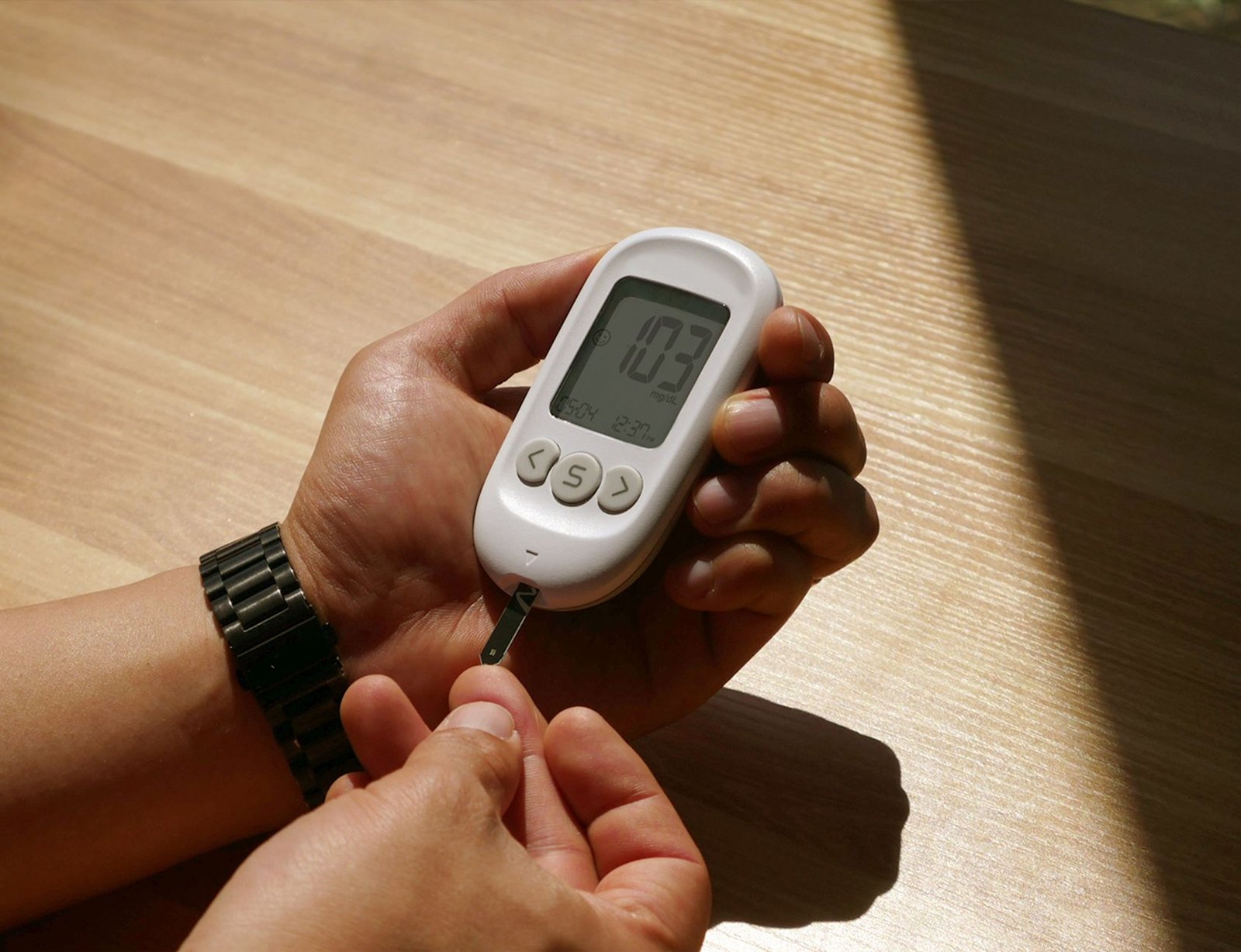
The weight-loss benefits of short walking-pad sessions multiply when workouts align with daily nutrient intake. The typical postprandial period features rapid gastric emptying, elevated hepatic glucose production, and a corresponding rise in pancreatic insulin secretion. In sedentary individuals, high circulating insulin drives excess carbohydrates into adipocytes via lipogenesis while shutting down baseline fat burning. Completing a 15-minute walking pad workout 30 to 60 minutes after a meal intercepts this cascade.
A landmark trial published in Diabetologia confirmed that brief bouts of light ambulation completed shortly after eating reduced postprandial blood sugar spikes by 22% to 34% compared to prolonged post-meal sitting. The mechanical action of rhythmic muscle contractions prompts GLUT4 transporters to migrate to the cell surface, pulling glucose from the bloodstream into skeletal muscle cells without requiring additional insulin. This non-insulin pathway blunts total insulin secretion, keeping the hormonal environment primed for ongoing fatty acid breakdown.
To maximize this metabolic window, desk workers should pair their walking sessions with thoughtful meal composition. Combine lean proteins, soluble prebiotic fiber, and low-glycemic carbohydrates during midday meals, followed 45 minutes later by the VV-15 protocol. This protocol-nutrient combination avoids the typical mid-afternoon energy crash, improves mental clarity, and supports sustained daily caloric expenditure.
Footwear Science and Mechanical Protection
A frequent mistake with home and office walking pads is walking without proper footwear. Operating a motorized treadmill in socks, minimalist slippers, or bare feet exposes the lower extremities to unnatural mechanical stress. While barefoot contact on varied, natural ground offers sensory and strength benefits, motorized treadmill belts present a repetitive, high-friction synthetic surface. The high friction coefficient between skin and belt generates heat, shear stress, and repetitive heel strikes against a thin composite deck.
Walking pads feature minimal deck cushioning, typically using a thin phenolic laminate deck mounted directly above steel crossbars. Without supportive, shock-absorbing footwear, repetitive ground reaction forces travel straight up the kinetic chain, loading the plantar fascia, Achilles tendon, and patellofemoral joints. Over several weeks, this repetitive mechanical stress can trigger plantarfascitis, shin splints, or reactive lower-back soreness.
When selecting footwear for under-desk walking, prioritize clean indoor shoes with these characteristics:
- Moderate Heel-to-Toe Drop (4mm to 8mm): Balances Achilles tendon tension with midfoot loading during short, restricted strides.
- Torsional Midsole Stability: Resists excessive foot twisting as you type or adjust your position on the narrow walking surface.
- Breathable Upper Mesh: Prevents heat and moisture buildup inside the shoe during warm indoor walking blocks.
- Clean Low-Tread Outsole: Keeps dirt and outdoor debris off the walking belt, protecting the mechanical deck from premature wear.
Frequently Asked Questions
Can a 15-minute walking pad session truly drive measurable weight loss?
A single 15-minute walking pad workout burns between 65 and 110 kilocalories, depending on your body weight, walking speed, and stride dynamics. While one isolated session produces a modest energy deficit, completing two or three 15-minute intervals across the workday burns 150 to 300 additional active kilocalories daily. Over the course of a 22-day work month, this amounts to 3,300 to 6,600 kilocalories of energy expenditure—the metabolic equivalent of roughly one to two pounds of adipose tissue—all without requiring dedicated gym visits or triggering excessive appetite.
Beyond baseline caloric burn, the timing of these sessions immediately blunts post-meal glucose and insulin spikes. Lower average insulin levels support long-term metabolic flexibility, allowing your body to more easily access stored fat for fuel. When paired with a moderate, protein-sufficient nutritional plan, this micro-dosing routine serves as a reliable, highly sustainable driver of body recomposition.
What belt speed works best for typing without making frequent errors?
For most office workers, walking speeds between 1.6 mph and 2.0 mph strike the best balance between metabolic stimulation and typing accuracy. Biomechanical studies indicate that motor coordination during typing begins to degrade noticeably once treadmill speeds exceed 2.2 mph, leading to increased error rates and wrist strain. Speeds above 2.4 mph are best reserved for passive tasks, such as participating in audio meetings, watching presentations, or reviewing long reports.
How should I position my standing desk to prevent neck and back fatigue?
Set your standing desk so that your forearms rest naturally at a 90- to 100-degree angle relative to your upper arms, with your wrists straight and shoulders relaxed. Your computer monitor should be elevated independently on a monitor arm or riser so that the top third of the display aligns with horizontal eye level. This height prevents continuous downward neck bending and keeps your spine stacked neutrally while walking.
Does walking on a walking pad generate too much motor noise for remote work calls?
Modern quality walking pads run at sound levels between 42 and 52 decibels, which is quieter than a typical conversational voice. Modern video and audio meeting software features dynamic background noise suppression that easily filters out low-frequency motor hum and soft footsteps. To keep noise to a minimum, place a high-density rubber mat under the unit, apply silicone belt lubricant every 90 days, and wear clean sneakers with soft rubber outsoles.
Can I walk barefoot or in socks if I feel comfortable doing so?
Walking barefoot or in socks on an under-desk pad is strongly discouraged. The motor-driven belt creates continuous frictional shear forces against the soles of your feet, while the thin composite walking deck provides minimal impact dampening. Over time, walking barefoot on these hard platforms can inflame the plantar fascia, overload the Achilles tendon, and create calluses or skin irritation. Always wear supportive, well-cushioned indoor athletic shoes to safeguard your feet and joints.