



The life expectancy of our dogs has nearly doubled in thirty years thanks to breakthroughs in preventive medicine, biotherapies against pain and precision nutrition, making happy old age possible.
Veterinary medicine is witnessing a real revolution in gerontology. If it is a case Bobby, a Portuguese terrier who allegedly died at the age of 31Recently, geneticists have been fascinated, and the scientific goal is now focused on improving everyday life. In the face of the increase in life expectancy of our fellow citizens, researchers are developing strategies to ensure the absence of suffering during their old age.
Preventing cell decline and targeted nutrition
Scientific advances are redefining the care of elderly dogs. The arrival of so-called “anti-aging” drugs, which are specifically targetedGrowth hormone IGF-1It helps slow cellular degeneration in older people. residence study, The largest veterinary clinical trial Conducted on more than 1,000 people, the effectiveness of these innovative treatments will soon be confirmed. Surprisingly, other promising molecules studied come from bacteria discovered in Easter Island soil.
At the same time, food is shifting toward a highly personal approach. Veterinarians recommend formulas that hydrolyze and complement microorganisms Insect proteins are hypoallergenic To soothe chronic inflammation. From the age of 7 years for the animal to achieve a Early blood test Measuring renal biomarkers becomes an essential step in detecting silent diseases.
Pain management and cognitive function protection
Age-related fatigue often hides a Invisible arthritis pain That new biological treatments succeed in stopping. Monoclonal antibodies, incl com. bedinvetmabSpecifically targeting the nerve growth factor responsible for pain signaling. This innovation provides powerful relief, without the digestive side effects of older anti-inflammatories.
Our animals are affected too Cognitive impairment syndromeoften called “Alzheimer’s disease in dogs.” Warning signs include:
- A Spatial disorientation Inside the house.
- Subordinate Pronunciation at night Unexplained.
- A Sudden impurity.
A treatment that combines Omega-3, antioxidants and environmental enrichment can effectively stimulate your companion’s brain.
Objective assessment of animal welfare
Veterinary gerontology is now based on the concept of the “healthy period”: maximizing the period of good health rather than postponing the end at all costs. To avoid relentless therapeutic treatment, there are tools to guide owners. The HHHHHMM scale allows you to evaluate Quality of life Through seven specific criteria:
- administration pain.
- Appetite and Hunger.
- conditionMoisturizing.
- Personal hygiene.
- the happiness hair.
- there Navigation general.
- Majority of Good days.
Teacher support remains essential
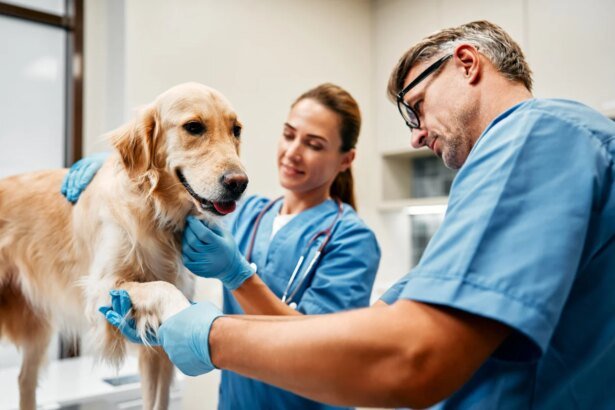
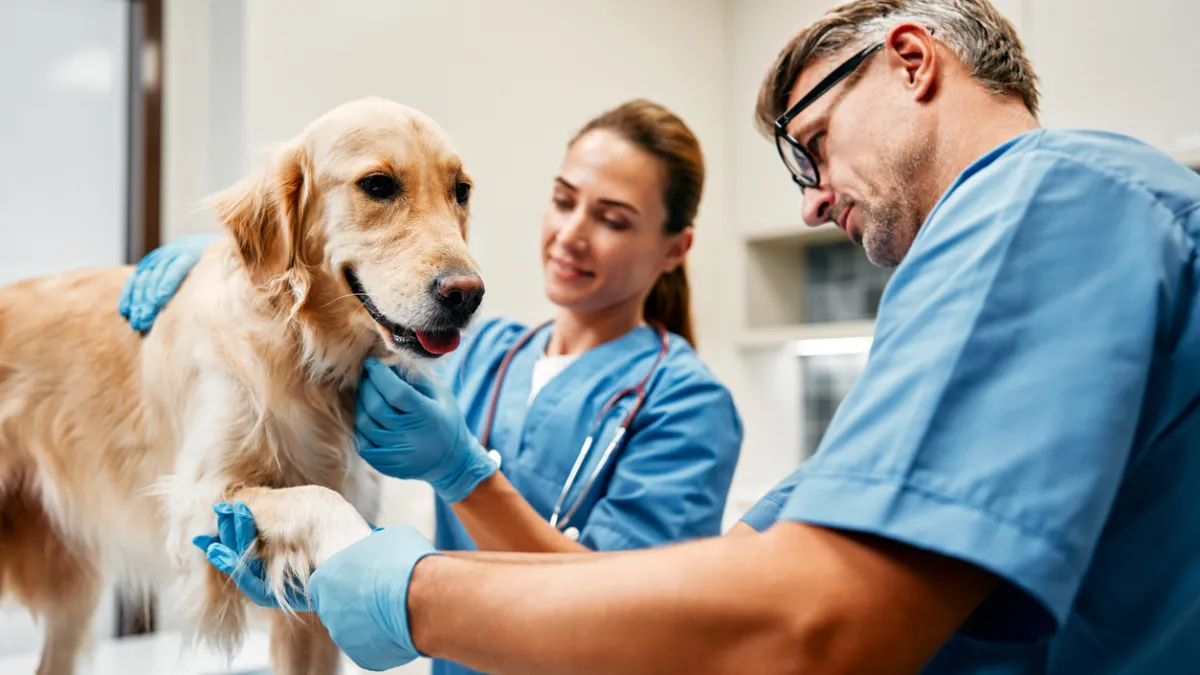
Besides medical advances, the health of an elderly dog also depends on its daily environment. Veterinarians note that larger animals retain their faculties longer when they maintain regular interactions with their families. Proper walking, cognitive stimulation toys, and maintaining reassuring habits help reduce anxiety associated with aging. Even when mobility declines, a few minutes of gentle activity each day helps maintain independence and quality of life.
Signs to be aware of
Some changes should never be automatically attributed to age. Persistent loss of appetite, excessive thirst, difficulty waking up, or sudden changes in behavior may indicate an underlying disease. Specialists now recommend a full veterinary examination every six months for large dogs for early intervention and to improve their comfort of life.
Advances in veterinary medicine now make it possible to look at canine aging from a new angle. The goal is no longer limited only to prolonging the lives of animals, but above all to maintain their comfort, mobility and cognitive functions for as long as possible. These innovations, linked to regular monitoring and owner involvement, are paving the way for a more peaceful aging for millions of dogs.