



A study from the University of Bonn revealed that the erosion of synthetic sponges releases up to 4.21 grams of microplastics per year per person, a silent threat that must be countered with natural alternatives.
The hygiene paradox is striking: it turns out that our synthetic sponges, designed to ensure cleanliness, are one of the most polluting things in the home. By breaking down faster than plastic bottles due to daily friction, they insidiously invade our environment and our bodies.
How science tracks the unseen
To obtain reliable data, the researchers developed a robotic arm called a “robotic arm.” “Spongebot”. This scientific instrument mimics the precise pressure and friction of manual cleaning, replicating months of wear in just days in the laboratory.
This mechanistic approach has been combined with citizen data collection in North America and Germany. Results point to the responsible substances: Polyurethane and synthetic resinsDerived directly from the oil industry.
The equivalent of 60 elephants per year
Analytics estimates that every user is slacking off Between 0.68 and 4.21 grams of plastic particles per year Except through the erosion of its sponge. At the national level, this represents approx 355 tons of microplastics annuallyOr the weight of 60 African elephants thrown into sewerage systems.
The study also shows significant variation depending on the product formulation. Models containing 60% plastic release six times more particles Of those it is limited to 16%. The scratch side, which is often made of nylon, is subject to particularly rapid deterioration under the influence of friction.
From the pelvis to our digestive system
these Particles smaller than 5 mm largely leak from treatment plants. They accumulate in waterways, contaminating the entire aquatic food chain.
In humans, these parts act like real Trojan horses. They carry chemical contaminants capable of inactivation Digestive, respiratory and endocrine systems. Doctors warn of the link between this plastic pollution and changes in human cells Oxidative stressThus validating the concept of “One Health”: human health cannot be separated from environmental health.
Microplastics are now found in the human body
Researchers have now identified microplastics in the blood, lungs, placenta and even certain areas of the human brain. While the exact health consequences are still a subject of study, several studies suggest potential effects on chronic inflammation, oxidative stress, and hormonal functioning. This widespread presence demonstrates the extent of daily exposure to these invisible particles.
Alternatives to healthy dishes
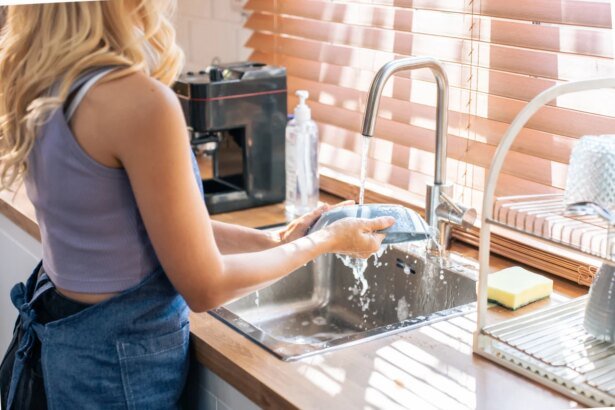
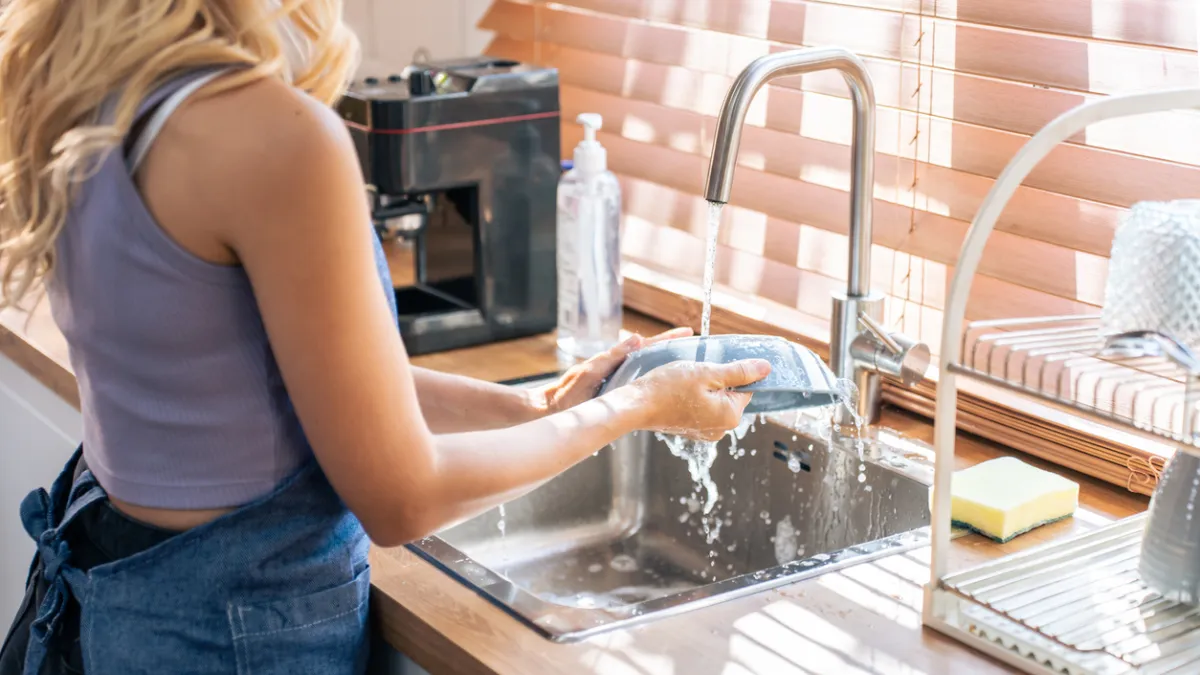
Faced with this observation, it becomes urgent to change our maintenance habits. Using a dishwasher is an option, but it requires energy. For manual diving, there are natural options:
- Authentic plant sponge: Choose loofah (dried gourd) or pure cellulose. Read labels carefully Avoid synthetic viscoseIt is a plastic substance often hidden under the name “vegetable”.
- Biodegradable materials: Prefer certified biodegradable products, free of chemical additives or synthetic adhesives.
- Wooden brushes: They provide excellent longevity and their natural bristles do not release any toxic polymer.
If sponge choice is important, the study mentions one final eye-catching fact: Excessive water consumption represents between 85 and 97% of the environmental burden Handmade dishes. Therefore, turning off the tap remains the first healthy and natural sign.
Something to replace regularly
Aside from the issue of microplastics, hygiene professionals recommend replacing or disinfecting kitchen sponges regularly. It is moist and rich in food scraps, and constitutes an ideal environment for bacteria to develop. Some studies classify it as one of the most polluted things in the home