

For decades, standard physical examinations evaluated cardiovascular health through static metrics such as resting heart rate, blood pressure panels, and lipid profiles. While these diagnostics remain clinically vital for assessing immediate pathology, they routinely fail to capture dynamic functional capacity or predict long-term all-cause mortality with absolute precision. Enter maximal oxygen uptake, universally known as VO2 max, which measures the maximum volume of oxygen your body can consume, transport, and metabolize during incremental, exhaustive exertion. Landmark epidemiological research published in journals such as The New England Journal of Medicine and JAMA Network Open consistently demonstrates that cardiorespiratory fitness stands as a more powerful predictor of mortality than traditional risk factors like smoking, hypertension, type 2 diabetes, and hyperlipidemia. If your baseline cardiorespiratory fitness falls into the lowest decile for your age and biological sex, your relative risk of premature death matches or exceeds that of chronic smokers with diagnosed cardiovascular disease. Yet, despite this overwhelming clinical validation, routine clinical evaluations rarely incorporate direct VO2 max testing or prescribe evidence-based high-intensity interval protocols to correct subclinical deficits. Reversing this oversight requires translating exercise physiology into a precise longevity framework, where structured stress applied through cardiopulmonary pathways stimulates adaptive remodeling, enhances mitochondrial biogenesis, and preserves functional independence across the human lifespan.
- Understanding VO2 Max: The Ultimate Physiological Metric
- Epidemiology of Cardiorespiratory Fitness and Mortality
- The Cellular Mechanics of High-Intensity Interval Training
- Comprehensive Comparison of Cardiorespiratory Protocols
- The Gold-Standard 4×4 Interval Protocol Explained
- Balancing High-Intensity Work with Zone 2 Base Building
- Assessing Your Baseline: Laboratory Testing vs. Field Estimations
- Nutritional Periodization and Metabolic Optimization
- Recovery Science: Sleep, HRV, and Autonomic Balance
- A 4-Week Progressive Adaptation Blueprint for Beginners
- Long-Term Maintenance and Lifespan Integration
- Frequently Asked Questions
- What is a good VO2 max score for my age and gender?
- Can older adults safely perform high-intensity interval training?
- How many days per week should I train to improve my VO2 max?
- Why is Zone 2 cardio emphasized alongside high-intensity intervals?
- How long does it take to see measurable improvements in VO2 max?
VO2 max is the single strongest physiological predictor of longevity and healthspan. Implementing targeted high-intensity interval training (HIIT) protocols, such as the 4×4-minute Norwegian method, safely drives rapid cardiorespiratory adaptations, improves mitochondrial density, and lowers all-cause mortality risk.
- Primary Mechanism / Finding: Moving from the lowest to the highest cardiorespiratory fitness quartile cuts all-cause mortality risk by up to 50 percent through enhanced systemic oxygen extraction.
- Optimal Protocol / Top Pick: The 4×4 interval protocol (four 4-minute intervals at 85-95 percent peak heart rate separated by 3-minute active recoveries) performed twice weekly.
- Practical Alternative: Low-barrier sprint intervals (e.g., 30-second all-out efforts with 4-minute active recoveries) for individuals with constrained scheduling.
- Critical Pitfall: Neglecting foundational aerobic base building and jumping straight into high-intensity loading without orthopedic preparation, leading to overuse injury.
Understanding VO2 Max: The Ultimate Physiological Metric
To comprehend why maximal oxygen uptake serves as an unimpeachable biomarker for longevity, we must first deconstruct the physiological machinery that governs it. Mathematically expressed by the Fick equation, VO2 max equals the product of cardiac output and the arteriovenous oxygen difference. Cardiac output itself is the product of heart rate and stroke volume, meaning your heart’s ability to pump blood and the volume of oxygen extracted by working skeletal muscle cells dictate your upper aerobic limit. When you engage in strenuous physical exertion, your cardiovascular system undergoes an extraordinary balancing act to deliver oxygen-rich blood to contracting myofibrils while maintaining systemic blood pressure.
At the cellular level, your mitochondria act as microscopic furnaces that require a continuous supply of oxygen to synthesize adenosine triphosphate through oxidative phosphorylation. Higher VO2 max values reflect superior capillary density, greater left ventricular mass, enhanced myocardial contractility, and an elevated concentration of oxidative enzymes within muscle fibers. These structural adaptations do not merely serve athletic performance; they create an extensive physiological reserve. As humans age, baseline cardiorespiratory fitness naturally declines at a rate of approximately 10 percent per decade after age thirty, accelerating without structured intervention. By boosting your baseline VO2 max through targeted training, you expand your functional reserve, ensuring that everyday physical stressors consume a smaller percentage of your total capacity.
Furthermore, maintaining an elevated VO2 max protects against metabolic dysfunction, insulin resistance, and neurodegenerative decline. Because skeletal muscle is the primary site for glucose disposal, highly conditioned muscle tissue exhibits superior insulin sensitivity and glucose transporter translocation. This metabolic flexibility shields internal organs from ectopic fat accumulation and systemic inflammation. Therefore, treating VO2 max as a primary longevity metric shifts the paradigm from treating chronic disease after manifestation to building systemic metabolic resilience.
Epidemiology of Cardiorespiratory Fitness and Mortality
The empirical link between high cardiorespiratory fitness and reduced mortality is among the most robustly documented associations in modern preventive medicine. Landmark studies led by researchers at the Cooper Institute, tracking tens of thousands of patients over multiple decades, have consistently demonstrated a dose-response relationship between treadmill-tested fitness and longevity. Individuals classified in the lowest fitness cohorts face a staggering relative risk of mortality compared to those in moderate, high, or elite fitness categories. Notably, improving fitness from the lowest quartile to even the moderate tier yields a greater reduction in mortality risk than quitting smoking or managing stage-one hypertension.
In clinical trials published in leading cardiology journals, researchers have quantified that each metabolic equivalent increase in exercise capacity translates to an approximate 12 to 15 percent improvement in survival rates. To place this into perspective, achieving a VO2 max of 40 milliliters per kilogram per minute for a middle-aged adult provides a profound shield against cardiovascular events, stroke, and certain oncological pathologies. This protective effect operates independently of body mass index, meaning that metabolically healthy obese individuals who possess high cardiorespiratory fitness experience significantly lower mortality rates than sedentary normal-weight individuals. This phenomenon, often termed the obesity paradox in fitness research, emphasizes that functional capacity supersedes mere anthropometric measurements.
Beyond extending lifespan, preserving cardiorespiratory fitness extends healthspan—the fraction of life spent free from chronic disease and debilitating physical frailty. Longitudinal aging studies reveal that individuals with superior VO2 max thresholds maintain their ability to independently perform activities of daily living well into their ninth and tenth decades of life. Conversely, individuals who allow their aerobic capacity to drift below the critical threshold of 18 milliliters per kilogram per minute often lose their functional independence, as even minor illnesses push them below the physiological floor required for unassisted movement.

The Cellular Mechanics of High-Intensity Interval Training
While continuous moderate-intensity training improves aerobic endurance, high-intensity interval training stimulates unique molecular cascades that accelerate cardiorespiratory adaptations. When exercise intensity exceeds your ventilatory threshold, your cells experience transient metabolic stress characterized by rapid ATP hydrolysis, intracellular calcium accumulation, and elevated reactive oxygen species generation. These molecular signals activate master transcriptional regulators, most notably peroxisome proliferator-activated receptor gamma coactivator 1-alpha, commonly known as PGC-1 alpha. PGC-1 alpha serves as the primary architect of mitochondrial biogenesis, orchestrating the replication of existing mitochondria and the synthesis of oxidative enzymes within skeletal muscle fibers.
Simultaneously, high-intensity intervals trigger the upregulation of vascular endothelial growth factor, stimulating angiogenesis—the formation of new capillary networks surrounding muscle tissue. This structural upgrade shortens diffusion distances for oxygen and nutrients, improving both delivery and extraction rates. Furthermore, repeated exposure to high stroke volumes forces the left ventricle to remodel beneficially, increasing chamber compliance and systolic ejection volume without pathological hypertrophy. These combined vascular and muscular adaptations elevate peak cardiac output and expand the arteriovenous oxygen difference, directly lifting your measured VO2 max.
Crucially, interval training achieves these profound mitochondrial and cardiovascular adaptations with a lower time commitment than traditional steady-state exercise. By alternating short bursts of near-maximal effort with active recovery periods, exercisers accumulate significant time spent near their maximal heart rate zone. This metabolic efficiency makes high-intensity intervals an ideal modality for busy individuals who want to maximize longevity dividends without dedicating hours every day to endurance training.


Comprehensive Comparison of Cardiorespiratory Protocols
| Protocol / Intervention | Thermal / Dose Range | Primary Biomarker / Mechanism | Clinical Evidence Level | Target Population |
|---|---|---|---|---|
| Norwegian 4×4 HIIT | 4 x 4 min @ 85-95% HRmax; 2x/week | Stroke Volume, PGC-1 alpha Upregulation | Level 1 (RCTs / Meta-Analyses) | Intermediate to Advanced Adults |
| Wingate Sprint Intervals | 4-6 x 30s All-Out; 4 min rest; 3x/week | Glycolytic Capacity, Muscle Buffering | Level 2 (Controlled Trials) | Highly Conditioned Athletes |
| Zone 2 Steady-State Cardio | 45-60 min @ 60-70% HRmax; 3-4x/week | Mitochondrial Density, Fat Oxidation | Level 1 (Epidemiological / RCTs) | General Population & Longevity Seekers |
| Tabata Protocol | 8 x (20s work / 10s rest); 2x/week | Maximal Aerobic & Anaerobic Power | Level 2 (Clinical Trials) | Conditioned Fitness Enthusiasts |
| Low-Volume Pyramid Intervals | Variable duration steps; 2x/week | Lactate Clearance, Cardiovascular Efficiency | Level 2 (Observational Studies) | Beginner to Intermediate Trainees |
The Gold-Standard 4×4 Interval Protocol Explained
Developed and popularized by researchers at the Norwegian University of Science and Technology, the 4×4 interval protocol stands as the empirical gold standard for safely and effectively expanding VO2 max. The structure is remarkably straightforward yet intensely demanding: after a thorough 10-minute progressive warmup, the trainee performs four separate 4-minute work bouts at 85 to 95 percent of their peak heart rate. Each high-intensity bout is separated by a 3-minute active recovery interval consisting of light jogging or easy cycling, where the heart rate drops to approximately 60 to 70 percent of maximum. The entire session concludes with a 5-minute cool-down.
During the 4-minute work intervals, the cardiorespiratory system is pushed close to its upper operational limit, forcing the heart to contract with maximal stroke volume and compelling skeletal muscle mitochondria to consume oxygen at peak rates. The 3-minute active recovery periods are not merely passive resting phases; they facilitate the clearance of accumulated lactate and hydrogen ions while maintaining elevated cardiac output, allowing the cardiovascular system to process metabolic byproducts efficiently. Performing this specific protocol twice per week has been shown in randomized controlled trials to increase VO2 max by an average of 10 percent within eight weeks, even in previously sedentary middle-aged adults.
Success with the 4×4 protocol hinges on precise pacing. Novice trainees frequently make the mistake of sprinting out of the gate during the first interval, causing premature lactic acid accumulation and forcing them to abort the session early. True execution requires a sustained, controlled output where heart rate climbs gradually during the first two minutes and plateaus in the target zone for the final two minutes. If you cannot maintain the target heart rate range across all four intervals, the initial workload was set too high and should be adjusted downward.
When executing high-intensity intervals, avoid relying solely on perceived exertion. Use a chest-strap heart rate monitor paired with real-time feedback to ensure you remain squarely in the 85-95 percent heart rate reserve zone during work bouts, as subjective fatigue often leads to under-dosing the stimulus.
Balancing High-Intensity Work with Zone 2 Base Building
While high-intensity interval training serves as the primary driver for expanding peak aerobic capacity, an over-reliance on high-stress protocols without adequate aerobic base building invites burnout, autonomic nervous system fatigue, and orthopedic injury. In elite longevity frameworks, high-intensity intervals represent the sharp tip of the physiological spear, while Zone 2 steady-state training forms the massive, stable base of the pyramid. Zone 2 training is defined as steady-state cardiovascular exertion performed at an intensity where blood lactate remains stable and low, typically between 1.7 and 2.0 millimoles per liter, or at roughly 60 to 70 percent of your maximum heart rate.
During Zone 2 training, the primary physiological objective is to maximize mitochondrial oxidative capacity and fat oxidation. Your muscle cells rely predominantly on free fatty acids rather than glycogen, forcing mitochondria to process lipids efficiently. This metabolic efficiency preserves glycogen stores and prevents the systemic inflammation associated with high-glycolytic stress. Furthermore, accumulating three to four hours of weekly Zone 2 exercise builds the structural capillary density and orthopedic durability required to safely absorb the extreme forces generated during high-intensity intervals.
Integrating Zone 2 work with high-intensity protocols creates a polarized training distribution, where approximately 80 percent of training volume is spent at low intensity and 20 percent is dedicated to high-intensity intervals. This balanced approach optimizes both ends of the physiological spectrum. While you build a resilient, fat-burning metabolic engine in Zone 2, your high-intensity sessions periodically challenge your maximum cardiac output, driving continuous improvements in VO2 max without overtraining the central nervous system.
Assessing Your Baseline: Laboratory Testing vs. Field Estimations
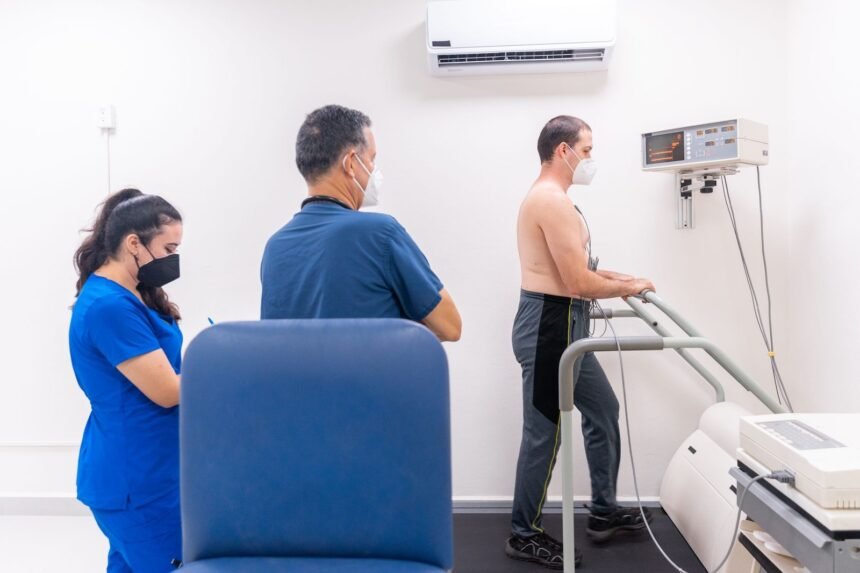
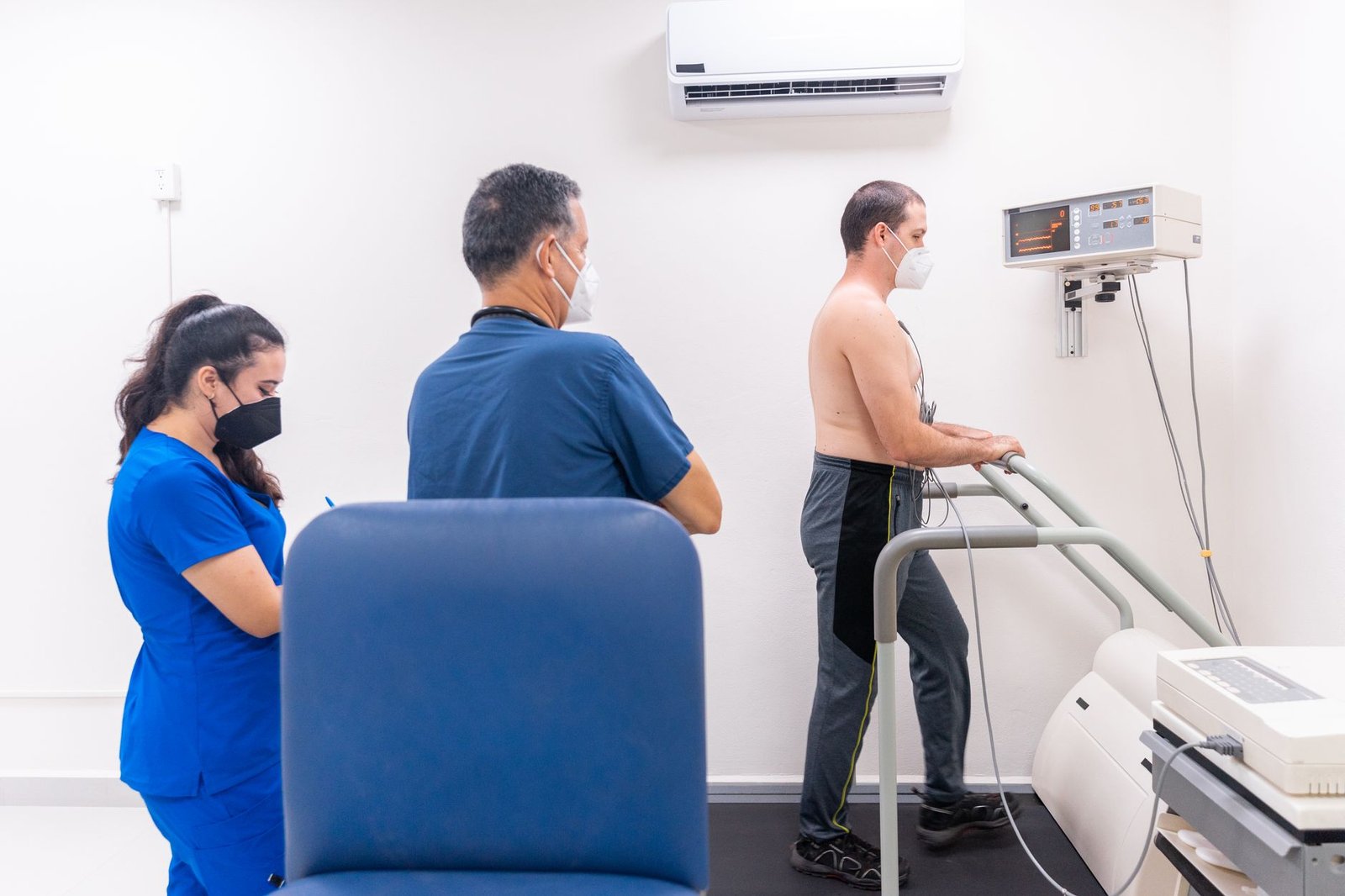
Accurately measuring your VO2 max is the essential first step in establishing a personalized longevity baseline. The gold standard for assessing cardiorespiratory fitness is a direct cardiopulmonary exercise test performed in a clinical laboratory setting while wearing a metabolic cart. During this evaluation, you exercise on a treadmill or stationary bicycle with a fitted mask that measures the exact volume and concentration of oxygen consumed and carbon dioxide expired during incremental workloads. This direct measurement provides infallible data regarding your true maximal oxygen uptake, anaerobic threshold, and respiratory exchange ratio.
For individuals who lack access to clinical laboratory testing, several validated field protocols offer reliable estimations of VO2 max. The Cooper 12-minute run test, where you cover the maximum possible distance in twelve minutes, correlates strongly with laboratory-derived values when executed on a flat running track. Alternatively, submaximal stationary bike tests, such as the YMCA protocol or the Astrand-Ryhming test, estimate maximal oxygen uptake by measuring heart rate response at predetermined submaximal workloads. Consumer wearable devices, including advanced smartwatches and chest strap monitors, also estimate VO2 max using proprietary algorithms that analyze heart rate variability during outdoor running or cycling.
Regardless of the testing modality chosen, consistency is paramount. Re-evaluating your VO2 max every twelve to sixteen weeks allows you to objectively measure the efficacy of your training protocols and make necessary adjustments. If your fitness metrics plateau or decline despite consistent training, it often signals the need to re-examine your recovery parameters, nutritional intake, or sleep hygiene.
Nutritional Periodization and Metabolic Optimization
Optimizing your cardiorespiratory fitness and elevating your VO2 max requires meticulous alignment between physical training stress and nutritional intake. Because high-intensity interval protocols rely heavily on anaerobic glycolysis and rapid carbohydrate oxidation, maintaining adequate glycogen stores within skeletal muscle and the liver is paramount for performance and recovery. Attempting to execute high-intensity intervals in a deeply glycogen-depleted state impairs power output, blunts the targeted cardiovascular stimulus, and elevates cortisol secretion, which can hinder long-term adaptation.
Conversely, lower-intensity Zone 2 endurance training can be performed effectively in a fasted or low-carbohydrate state to encourage fat oxidation and activate cellular longevity pathways such as AMPK. Nutritional periodization involves matching your macronutrient intake to the specific metabolic demands of each training session. On days scheduled for high-intensity intervals, prioritize complex carbohydrates in your pre-workout and post-workout meals to ensure rapid glycogen resynthesis. For comprehensive insights into optimizing circadian metabolic resets, consider exploring evidence-based frameworks on circadian rhythm fasting and aligning meal timing with melatonin peaks to support overall metabolic recovery.
In addition to macronutrient timing, micronutrient status plays a critical role in supporting oxygen transport. Iron deficiency anemia, even in its subclinical stages with normal hemoglobin but depleted ferritin, severely limits oxygen delivery to working tissues and caps VO2 max potential. Ensuring adequate dietary intake of bioavailable iron, B-complex vitamins, and antioxidants protects against exercise-induced oxidative stress and supports optimal mitochondrial enzyme function.

Recovery Science: Sleep, HRV, and Autonomic Balance
The physiological adaptations that increase VO2 max do not occur during the workout itself; they occur during the systemic recovery windows between training sessions. When you apply high-intensity stress to your cardiovascular and muscular systems, you induce micro-damage and temporary fatigue. True physiological growth requires adequate recovery time for protein synthesis, tissue repair, and autonomic nervous system recalibration. Neglecting recovery shifts your body into a chronic catabolic state marked by elevated resting heart rate, suppressed heart rate variability, and declining performance.
Sleep is the ultimate anabolic window for cardiovascular remodeling. During deep slow-wave sleep, human growth hormone secretion peaks, tissue repair accelerates, and the glymphatic system clears metabolic waste products from the central nervous system. Securing seven to nine hours of restorative sleep each night is non-negotiable for anyone pursuing longevity through high-intensity training. Additionally, monitoring daily heart rate variability provides actionable biofeedback regarding your autonomic nervous system readiness. A sudden, persistent drop in heart rate variability indicates accumulated fatigue, signaling the need to substitute a high-intensity interval session with active recovery or complete rest.
Managing psychological stress is equally critical for autonomic balance and metabolic health. Elevated chronic stress, marked by persistent cortisol elevation, interferes with sleep architecture and impairs muscle recovery. For practical techniques on modulating stress responses and calming the nervous system, review clinical insights on aromatherapy patches versus diffusers for anxiety and cortisol reduction. Integrating somatic tracking techniques, such as those detailed in guides on re-patterning nervous system responses through mindful body tracking, further enhances your body’s ability to transition smoothly between sympathetic exertion and parasympathetic recovery.
A 4-Week Progressive Adaptation Blueprint for Beginners
Transitioning from a sedentary lifestyle or low activity baseline into structured high-intensity interval training requires patience, careful progression, and strict adherence to orthopedic preparation. Jumping straight into maximal efforts without building foundational strength and capillary density invites severe muscle soreness and potential injury. Below is an evidence-based, four-week progressive adaptation blueprint designed to safely introduce novices to high-intensity cardiovascular conditioning.
- Week 1 – Foundation and Aerobic Conditioning: Focus entirely on Zone 2 steady-state exercise. Perform three sessions of 30 to 45 minutes at a conversational pace (60-70 percent HRmax) using a stationary bike, brisk incline walking, or swimming. Introduce a 5-minute dynamic warmup before each session.
- Week 2 – Introduction to Short Intervals: Maintain two Zone 2 sessions, but replace the third session with a low-volume interval workout. Perform five rounds of 1-minute hard effort (75-80 percent HRmax) followed by 2 minutes of easy walking recovery. Conclude with a 10-minute cool-down.
- Week 3 – Intensity Escalation: Continue two Zone 2 sessions. Upgrade your interval session to four rounds of 2-minute work bouts at 80-85 percent HRmax, separated by 2-minute active recoveries. Ensure your heart rate returns to baseline during the recovery phase before starting the next work bout.
- Week 4 – Implementation of the 4×2 Modified Protocol: Maintain your Zone 2 aerobic base work. For your high-intensity session, execute four rounds of 2-minute efforts at 85-90 percent HRmax, separated by 2-minute active recoveries. This prepares your physiological systems for the full 4×4 Norwegian protocol in subsequent months.
Individuals with diagnosed cardiovascular disease, uncontrolled hypertension, orthopedic limitations, or unexplained chest pain must obtain medical clearance and undergo a supervised exercise stress test before attempting high-intensity interval protocols.
Long-Term Maintenance and Lifespan Integration
Improving your VO2 max is not a finite project with a definitive finish line; it is a lifelong commitment to preserving biological function and metabolic resilience. As you age past middle adulthood, maintaining your cardiorespiratory fitness requires adapting your training modalities to accommodate changes in joint integrity and recovery capacity. While young adults may tolerate high-impact running and frequent high-intensity interval sessions, older adults often benefit from shifting toward low-impact modalities such as rowing, cycling, or elliptical training while preserving the same heart rate intensity targets.
Tracking your fitness metrics annually ensures that age-related declines are detected and countered before they impact your functional independence. By maintaining a polarized training routine that pairs a robust Zone 2 aerobic base with weekly high-intensity intervals, you create a powerful physiological buffer against chronic disease. Ultimately, investing time and effort into expanding your VO2 max is the most potent longevity intervention available, rewarding you with decades of active, vibrant, and independent living.

Frequently Asked Questions
What is a good VO2 max score for my age and gender?
VO2 max scores vary significantly based on age and biological sex, typically peaking in the late twenties and declining gradually thereafter. For a healthy 40-year-old male, an above-average VO2 max ranges from 42 to 46 milliliters per kilogram per minute, while elite endurance athletes in the same age bracket often exceed 60. For a 40-year-old female, an above-average score ranges from 36 to 40 milliliters per kilogram per minute, with elite competitors surpassing 50. Utilizing age-matched normative percentile charts provided by organizations like the Cooper Institute allows you to evaluate your specific standing and set realistic improvement targets.
Can older adults safely perform high-intensity interval training?
Yes, older adults can safely perform high-intensity interval training, provided they receive medical clearance and progress gradually. Numerous clinical studies confirm that masters athletes and previously sedentary older adults experience significant improvements in stroke volume, mitochondrial density, and vascular compliance when engaging in structured intervals. The key is prioritizing a thorough warmup, utilizing low-impact modalities such as cycling or rowing to protect joint integrity, and monitoring heart rate recovery to avoid overexertion.
How many days per week should I train to improve my VO2 max?
Optimizing cardiorespiratory fitness does not require daily high-intensity training. In fact, performing high-intensity intervals more than two to three times per week often leads to central nervous system fatigue and diminishing returns. A balanced longevity routine typically includes two dedicated high-intensity interval sessions separated by at least 48 hours of recovery, complemented by three to four sessions of low-intensity Zone 2 steady-state cardio, resulting in a total of five weekly exercise sessions.
Why is Zone 2 cardio emphasized alongside high-intensity intervals?
Zone 2 steady-state cardio builds the foundational mitochondrial density, capillary network, and orthopedic durability required to support high-intensity intervals. While high-intensity training expands peak stroke volume and triggers rapid PGC-1 alpha activation, Zone 2 training teaches your cells to efficiently oxidize fats, clears metabolic waste, and prevents autonomic burnout. Combining these two modalities creates a polarized training distribution that maximizes aerobic capacity while protecting against overtraining injuries.
How long does it take to see measurable improvements in VO2 max?
When adhering consistently to an evidence-based high-intensity interval protocol combined with a solid aerobic base, most individuals observe measurable improvements in VO2 max within six to eight weeks. Initial gains often stem from improvements in plasma volume and neuromuscular coordination, followed by structural cardiovascular remodeling and mitochondrial biogenesis over three to six months of sustained training. Regular re-evaluation every twelve weeks helps track progress and maintain motivation.