

Human brown adipose tissue has transitioned from a biological footnote found primarily in human neonates and hibernating mammals to a primary target of metabolic research over the past decade. Landmark findings published in journals like the New England Journal of Medicine proved that adult humans retain metabolically active brown fat depots, primarily in the supraclavicular, neck, and paravertebral regions. Unlike white adipose tissue, which stores excess triglycerides, brown adipose tissue dissipates chemical energy directly as heat through a specialized cellular mechanism known as non-shivering thermogenesis. When activated by controlled cold exposure, these specialized adipocytes can significantly increase whole-body energy expenditure, clear circulating glucose from the bloodstream, and improve systemic insulin sensitivity. Researchers now view this cold-induced thermogenesis not merely as a survival reflex against hypothermia, but as a sophisticated endocrine pathway capable of shifting metabolic profiles, altering lipid handling, and combating obesity-related metabolic dysfunction.
- Comparative Analysis of Cold Exposure Modalities
- Cellular Architecture and Anatomy of Brown Adipose Tissue
- Molecular Signaling Cascades and Sympathetic Activation
- The Role of Uncoupling Protein 1 in Metabolic Uncoupling
- Endocrine Crosstalk: Irisin, FGF21, and Adipokine Secretion
- Recruitment and Browning of White Adipose Tissue
- Cardiovascular and Hemodynamic Responses to Cold Stress
- Metabolic Rate Enhancement and Weight Management Implications
- Inflammatory Modulation and Immune System Adaptations
- Developing a Progressive 4-Week Cold Adaptation Protocol
- Optimizing Protocols: Duration, Frequency, and Temperature Thresholds
- Common Pitfalls and Mistakes in Cold Thermogenesis Practice
- Frequently Asked Questions
- How long does it take to build noticeable brown adipose tissue in adults?
- Can cold showers replace ice baths for activating brown fat?
- Does brown fat activation help with blood sugar regulation?
- Is it safe to practice cold exposure while fasting?
- Does shivering mean the cold exposure protocol has failed?
Regular, controlled exposure to moderate cold temperatures reliably activates human brown adipose tissue, increasing basal metabolic rate and enhancing glucose clearance. The optimal clinical protocol involves two to three weekly sessions of 15 minutes at temperatures between 55 and 60 degrees Fahrenheit without inducing uncontrollable shivering. Individuals seeking metabolic optimization should prioritize progressive thermal adaptation while avoiding extreme immersion protocols that spike blood pressure and trigger acute cardiovascular stress.
- Primary Mechanism / Finding: Activation of brown adipose tissue increases daily resting energy expenditure by 5 to 15 percent via uncoupling protein 1 (UCP1) mitochondrial proton leaks.
- Optimal Protocol / Top Pick: Gradual cold-water immersion at 55 degrees Fahrenheit for 10 to 15 minutes, repeated three times per week.
- Practical Alternative: Cold-water facial immersion combined with morning ambient room cooling down to 62 degrees Fahrenheit.
- Critical Pitfall: Inducing severe whole-body shivering, which dampens the targeted brown fat endocrine response and triggers excessive muscle fatigue.
Comparative Analysis of Cold Exposure Modalities
Selecting the appropriate thermal stimulus requires balancing physiological activation against safety, practicality, and individual tolerance. Various protocols ranging from localized cryotherapy to whole-body cold-water immersion exert distinct effects on sympathetic nervous system activation and brown adipose tissue recruitment. Understanding these differences allows practitioners to match the intervention to the desired metabolic objective without unnecessary physiological risk.
| Protocol / Intervention | Thermal / Dose Range | Primary Biomarker / Mechanism | Clinical Evidence Level | Target Population |
|---|---|---|---|---|
| Cold-Water Immersion | 50-60 deg F, 10-15 min | UCP1 Upregulation / NE Spike | High (Randomized Trials) | Healthy Adults & Athletes |
| Mild Ambient Cooling | 60-65 deg F, 2 hours daily | Adipose Recruitment / FGF21 | Moderate (Human Cohorts) | Sedentary & Metabolic Syndrome |
| Whole-Body Cryotherapy | -110 to -140 deg C, 3 min | Skin Thermoreceptor Reflex | Low-Moderate | Athletic Recovery Seekers |
| Cold Showering | 55-65 deg F, 3-5 min | Catecholamine Elevation | Observational / Pilot | General Public Practitioners |
Cellular Architecture and Anatomy of Brown Adipose Tissue
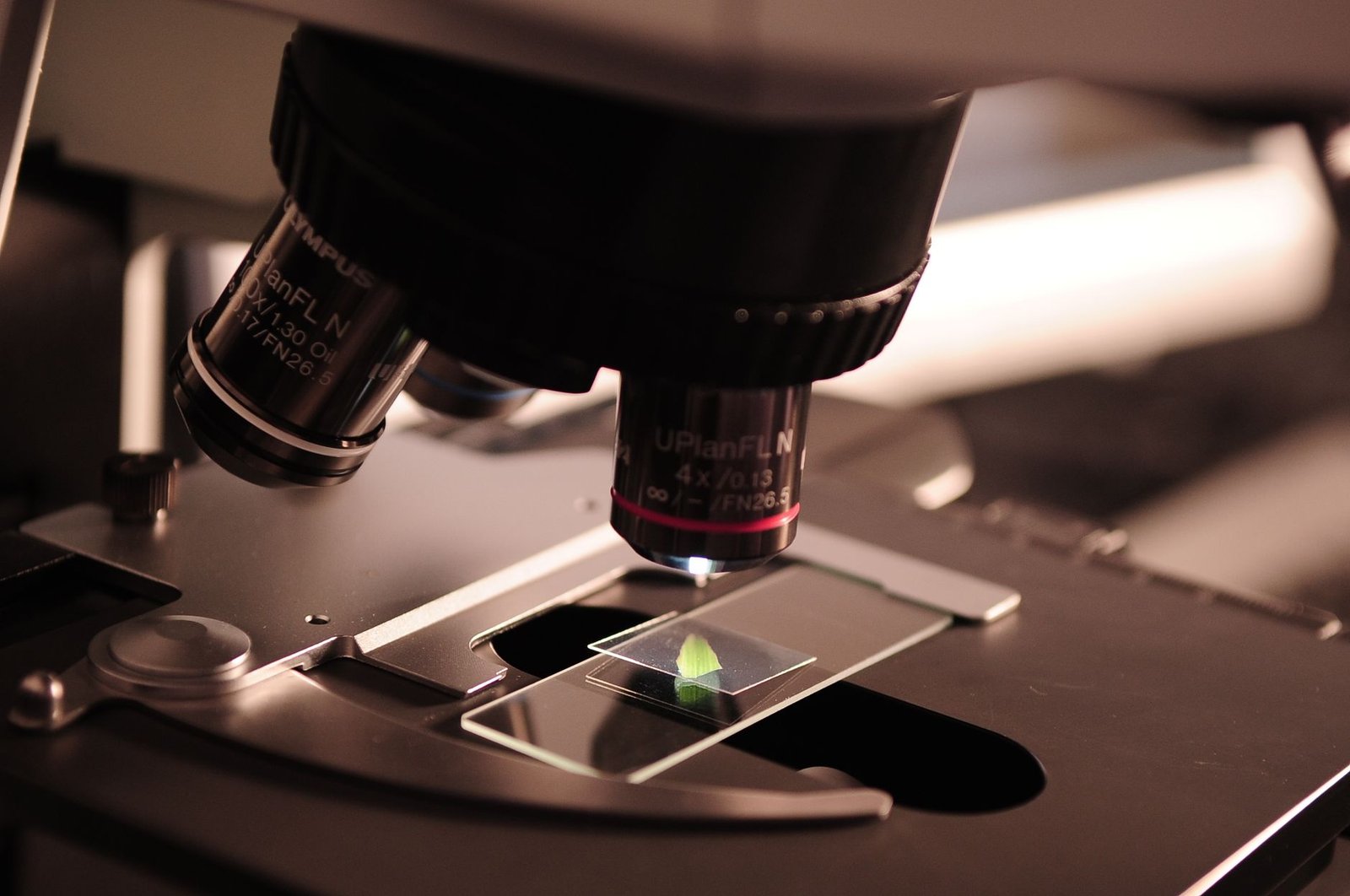
Brown adipose tissue possesses a distinct histological profile that separates it from standard white fat depots. Under high-magnification microscopy, brown adipocytes appear densely packed with multiple small lipid droplets, known as multilocular storage, rather than the single large vacuole characteristic of white fat cells. Furthermore, brown fat cells contain an extraordinarily high density of iron-rich mitochondria, which give the tissue its characteristic deep reddish-brown appearance. These structural adaptations enable brown fat to function as an internal metabolic engine designed specifically for rapid caloric combustion and heat generation.
The distribution of brown adipose tissue in adult humans is concentrated along the great vessels of the thorax and neck, including the supraclavicular, perithyroid, and paravertebral spaces. Advanced positron emission tomography combined with computed tomography scans using fluorodeoxyglucose tracer have mapped these depots with high precision across diverse clinical cohorts. While infants possess a robust mantle of brown fat to protect against hypothermia, adults retain functional depots that can be substantially expanded through repeated thermal conditioning. Integrating these cold protocols with structured routines, such as incorporating morning movement and low-impact mobility routines, helps maintain systemic metabolic health and optimizes vascular tone across all age brackets.
At the subcellular level, the defining characteristic of brown fat is the presence of uncoupling protein 1 located within the inner mitochondrial membrane. In normal cellular respiration, protons pumped across the inner membrane flow back through ATP synthase to generate cellular energy in the form of ATP. Uncoupling protein 1 acts as a regulated proton translocator that bypasses ATP synthase entirely, allowing protons to re-enter the mitochondrial matrix uninhibited. This uncoupling collapses the proton gradient, converting potential electrochemical energy directly into thermal energy while maintaining a high rate of substrate oxidation.
Molecular Signaling Cascades and Sympathetic Activation
The initiation of non-shivering thermogenesis begins when cutaneous cold receptors, primarily transient receptor potential melastatin 8 channels, detect reductions in ambient temperature. These thermal sensors transmit electrical signals via primary sensory afferents to the preoptic area of the hypothalamus, which acts as the core central thermostat of the human body. Once the hypothalamus registers core or skin cooling, it activates the sympathetic nervous system to coordinate a whole-body physiological response designed to preserve internal core temperature.
Sympathetic nerve terminals densely innervate brown adipose tissue depots and release the neurotransmitter norepinephrine directly into the interstitial space surrounding the adipocytes. Norepinephrine binds to beta-3 adrenergic receptors situated on the plasma membrane of the brown fat cells, initiating a classic intracellular signaling cascade. This receptor engagement activates stimulatory G proteins, which subsequently stimulate adenylyl cyclase to catalyze the conversion of adenosine triphosphate into cyclic adenosine monophosphate inside the cell.
Elevated cyclic adenosine monophosphate acts as a secondary messenger that activates protein kinase A, a crucial regulatory enzyme in cellular metabolism. Active protein kinase A phosphorylates hormone-sensitive lipase and perilipin, promoting the intracellular breakdown of stored triglycerides into free fatty acids. These liberated fatty acids serve a dual purpose within the brown adipocyte: they act as direct allosteric activators of uncoupling protein 1 and provide the primary carbon substrate for mitochondrial beta-oxidation.
The Role of Uncoupling Protein 1 in Metabolic Uncoupling
Uncoupling protein 1 remains the undisputed molecular gatekeeper of non-shivering thermogenesis in mammalian brown adipocytes. Without this specialized inner mitochondrial membrane transporter, cold-induced heat production would be impossible, and mammals would rely entirely on muscular shivering for thermal defense. The expression and functional activity of uncoupling protein 1 are tightly regulated by transcriptional co-activators, including peroxisome proliferator-activated receptor gamma coactivator 1-alpha, which coordinates mitochondrial biogenesis and oxidative capacity.
When free fatty acids bind to uncoupling protein 1, they neutralize inhibitory purine nucleotides such as adenosine triphosphate that normally block proton translocation in the absence of cold signaling. This conformational shift opens the channel, allowing protons accumulated in the intermembrane space to flow freely down their electrochemical gradient into the mitochondrial matrix. The resulting dissipation of proton motive force prevents ATP synthesis while accelerating the consumption of oxygen and metabolic substrates within the tricarboxylic acid cycle.
The clinical significance of this uncoupled respiration lies in its capacity to drive systemic glucose and lipid clearance without placing mechanical strain on skeletal muscle tissue. Studies utilizing hyperinsulinemic-euglycemic clamps have demonstrated that acute cold exposure increases whole-body glucose disposal rates by up to thirty percent in subjects with active brown fat depots. This glucose uptake occurs largely independently of insulin signaling pathways, offering an alternative therapeutic avenue for individuals struggling with insulin resistance and type 2 diabetes mellitus.
Endocrine Crosstalk: Irisin, FGF21, and Adipokine Secretion
Beyond its local heat-generating functions, brown adipose tissue acts as an active endocrine organ that communicates with distant tissues through the secretion of specialized signaling molecules termed batokines. When stimulated by cold exposure, brown adipocytes synthesize and release fibroblast growth factor 21 into the systemic circulation. Fibroblast growth factor 21 travels to the liver and white fat depots, where it promotes insulin sensitivity, improves lipid profiles, and stimulates the browning of subcutaneous white adipose tissue.
Another critical endocrine mediator linked to cold-induced thermogenesis is irisin, a cleaved peptide hormone derived from the membrane protein fibronectin type III domain-containing protein 5. While primarily secreted by contracting skeletal muscle during exercise, cold exposure also triggers the upregulation of irisin from both muscle and brown fat stores. Irisin promotes the conversion of white adipocytes into brite or beige adipocytes, a process frequently described as browning, which expands the overall thermogenic capacity of the human body over time.
This endocrine cross-talk extends to improvements in systemic inflammation and vascular endothelial function. Activated brown fat avidly consumes circulating triglycerides and branched-chain amino acids, helping to clear atherogenic lipoproteins from the bloodstream. By modulating circulating adipokines and reducing systemic oxidative stress, regular cold exposure supports long-term cardiovascular resilience, complementing regular habits like Zone 2 cardiovascular training to optimize overall metabolic health.
To maximize brown fat recruitment without triggering the metabolic stress of shivering, pair your cold protocols with a balanced, nutrient-dense breakfast eaten at least one hour after your session. Combining cold exposure with the 15-minute circadian rhythm morning routine enhances autonomic balance and sharpens alertness naturally.
Recruitment and Browning of White Adipose Tissue
Adult humans exhibit two distinct types of thermogenic fat cells: classical brown adipocytes found in fixed anatomical depots, and inducible beige or brite adipocytes that emerge within white fat depots in response to chronic cold stimulation or hormonal cues. This recruitment process, known as whitening-to-browning plasticity, represents a major area of therapeutic interest in obesity research. When exposed to persistent mild cold, subcutaneous white adipose tissue depots undergo a dramatic restructuring characterized by increased vascularization, mitochondrial proliferation, and the expression of uncoupling protein 1.
The cellular origin of these inducible beige adipocytes involves both the transdifferentiation of mature white adipocytes and the proliferation of distinct vascular smooth muscle precursor cells residing within the adipose stroma. Transcription factors such as PR domain-containing 16 act as master regulators that direct precursor cells toward the thermogenic adipocyte lineage rather than the classic white storage phenotype. Understanding how to stimulate this differentiation pathway safely in humans provides a powerful framework for preventing metabolic slowdown during weight loss.
Clinical trials investigating chronic mild cold exposure, such as housing human subjects at 61 degrees Fahrenheit for two hours daily over a six-week period, have confirmed significant increases in cold-induced thermogenesis and total supraclavicular brown fat volume. Participants in these trials showed measurable improvements in cold tolerance, alongside enhanced insulin sensitivity and reduced visceral adiposity. This structural plasticity demonstrates that human metabolic machinery retains environmental adaptability well into adulthood.
Cardiovascular and Hemodynamic Responses to Cold Stress
Immersing the human body in cold water or exposing the skin to sub-zero temperatures triggers an immediate, highly coordinated cardiovascular response driven by autonomic nervous system reflexes. Upon initial cold contact, cutaneous vasoconstriction shunts blood away from the periphery toward the deep core organs to preserve internal temperature. This sudden peripheral vascular resistance causes an acute rise in both systolic and diastolic blood pressure, accompanied by an immediate reflex bradycardia mediated by parasympathetic vagal stimulation.
As the exposure continues, sympathetic tone becomes dominant, resulting in increased cardiac output and elevated heart rate to support the metabolic demands of shivering and non-shivering thermogenesis. While these acute hemodynamic shifts are well-tolerated by healthy individuals, they represent a significant physiological challenge for patients with pre-existing cardiovascular conditions. Individuals with untreated hypertension, coronary artery disease, or a history of cerebrovascular events must approach cold immersion with extreme caution under direct medical supervision.
Over time, regular adaptation to cold stress leads to favorable autonomic remodeling, including improved heart rate variability and reduced resting blood pressure. These long-term cardiovascular adaptations reflect enhanced baroreflex sensitivity and improved endothelial nitric oxide production. Consequently, controlled cold exposure serves as a potent vascular conditioning tool when practiced within safe physiological thresholds.
Never submerge your head underwater during initial cold exposure, as this triggers the powerful mammalian dive reflex, which can cause severe cardiac arrhythmias in susceptible individuals. Cold shock response also causes an involuntary gasp reflex that carries a high risk of immediate aspiration if performed in natural bodies of water without safety supervision.
Metabolic Rate Enhancement and Weight Management Implications
The metabolic impact of activated brown adipose tissue extends far beyond the immediate duration of a cold exposure session. Because brown adipocytes rely heavily on circulating glucose and fatty acids to fuel uncoupled respiration, their activation contributes to a sustained elevation in post-exposure resting metabolic rate. Clinical calorimetric studies show that fully recruited brown fat depots can account for up to twenty percent of total daily energy expenditure under specific cold-adapted conditions.
While cold exposure increases caloric expenditure, researchers emphasize that body weight reduction ultimately depends on net energy balance. In many cases, acute cold exposure stimulates appetite as a compensatory survival mechanism to replace expended glycogen and lipid stores. Therefore, individuals utilizing cold therapy for body composition goals must maintain dietary awareness to ensure that increased caloric intake does not offset the thermogenic energy expenditure gains achieved during cold sessions.
Beyond raw caloric burning, the primary metabolic benefit of brown fat activation lies in its capacity to clear atherogenic lipids and improve glycemic control. By preferentially oxidizing visceral fat stores and clearing circulating triglycerides, brown fat activation addresses the root metabolic dysfunctions associated with metabolic syndrome. This targeted lipid clearance provides a compelling rationale for incorporating thermal conditioning into comprehensive metabolic health programs.
Inflammatory Modulation and Immune System Adaptations
Emerging clinical immunology research highlights a fascinating connection between cold exposure, brown fat activation, and systemic inflammation markers such as C-reactive protein and interleukin-6. Chronic low-grade inflammation is a hallmark of obesity, insulin resistance, and cardiovascular disease. Regular cold exposure appears to exert anti-inflammatory effects by modulating immune cell phenotypes within both adipose tissue and the circulatory system.
Activation of brown adipose tissue promotes the recruitment of anti-inflammatory M2-polarized macrophages while suppressing pro-inflammatory M1 macrophages within fat depots. This favorable shift in immune cell composition reduces local tissue inflammation and preserves healthy adipocyte function. Furthermore, cold-induced release of adipokines helps regulate systemic immune surveillance and supports balanced cytokine signaling across metabolic tissues.
Regular practitioners of cold-water immersion frequently report an anecdotal reduction in upper respiratory infections and enhanced resilience during seasonal immune challenges. Controlled clinical trials have begun validating these observations, noting enhanced white blood cell counts and modulated cytokine responses following standardized cold-water exposure protocols. These findings suggest that intermittent thermal stress stimulates hormetic adaptations within the immune system comparable to physical exercise.
Developing a Progressive 4-Week Cold Adaptation Protocol
Safely unlocking the metabolic benefits of brown adipose tissue requires a structured, progressive adaptation protocol that avoids overwhelming the autonomic nervous system. Jumping directly into ice baths without prior vascular conditioning risks severe cold shock, hyperventilation, and extreme blood pressure spikes. The following four-week clinical framework is designed to systematically build cold tolerance while maximizing brown fat recruitment.
- Week 1: Ambient Cooling and Terminal Showers. Begin by lowering household thermostat settings to 64 degrees Fahrenheit for two hours daily. Conclude your regular morning shower with the final 30 seconds set to cold water (approx. 60 degrees Fahrenheit) while focusing on slow, controlled nasal breathing.
- Week 2: Extended Cold Shower Duration. Increase the terminal cold shower duration to 90 seconds. Focus relaxation efforts on the neck and upper back regions where supraclavicular brown fat depots are densely concentrated. Maintain a smooth cadence of inhalation and exhalation to suppress panic responses.
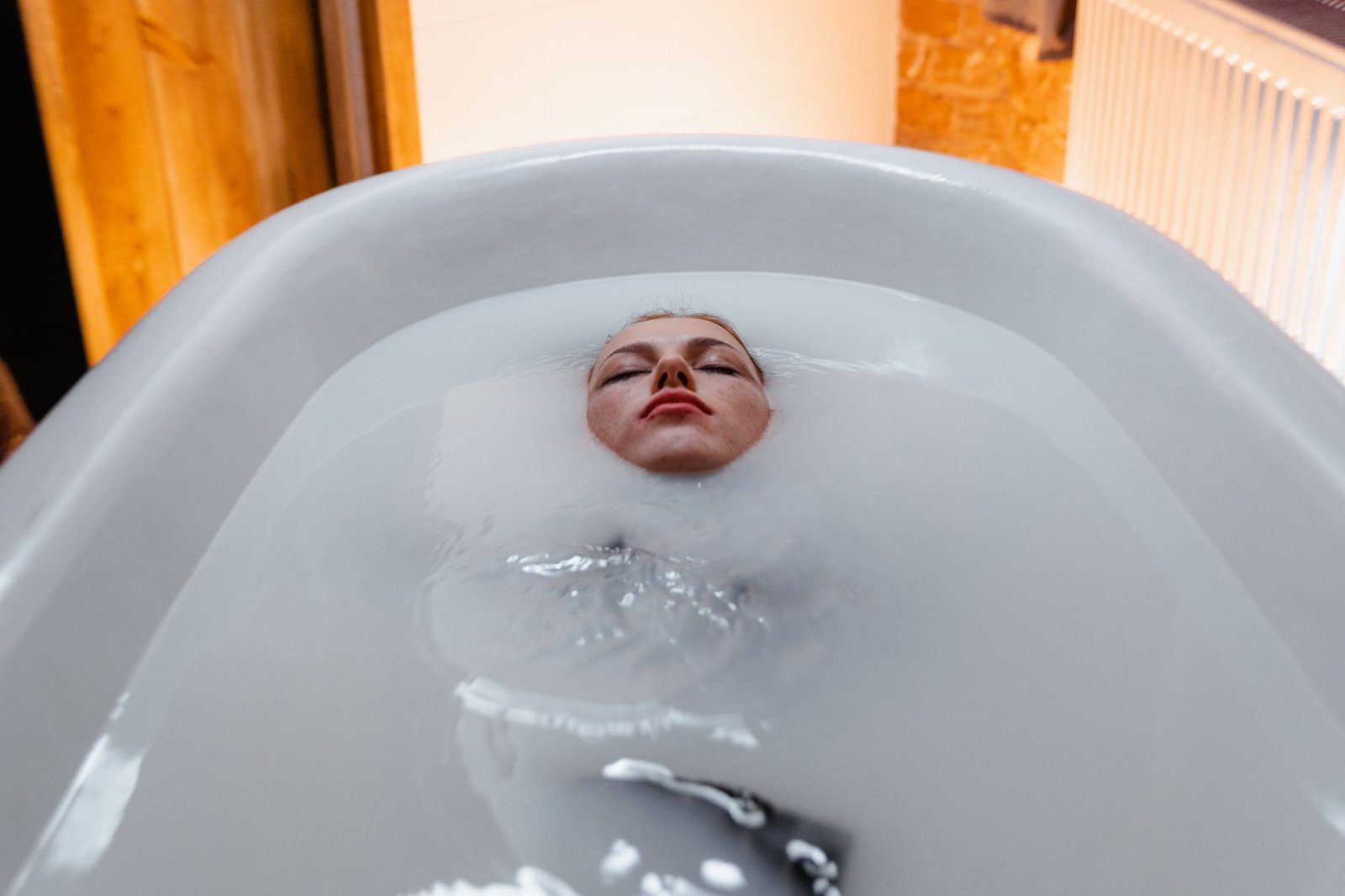
- Week 3: Cool Water Immersion Adaptation. Introduce targeted cold-water immersion using a home tub filled with tap water and partial ice additions, targeting 58 to 62 degrees Fahrenheit. Limit immersion duration to 5 minutes, keeping hands and feet exposed if necessary to manage initial discomfort.
- Week 4: Advanced Protocol Integration. Progress to full-body immersion in water maintained between 52 and 58 degrees Fahrenheit for 10 to 12 minutes, performed two to three times per week. Discontinue immediately if uncontrollable shivering or numbness occurs.
Optimizing Protocols: Duration, Frequency, and Temperature Thresholds
Precision matters when designing a clinical cold exposure regimen. Exceeding optimal duration thresholds does not yield additional metabolic benefits and can instead induce core hypothermia, muscle stiffness, and elevated stress hormone production. Clinical investigations indicate that the optimal temperature range for effective brown adipose tissue activation lies between 50 and 60 degrees Fahrenheit.
Regarding frequency, two to three sessions per week of 10 to 15 minutes each provide an ideal stimulus for maintaining upregulated uncoupling protein 1 expression without inducing chronic overtraining of the autonomic nervous system. Daily extreme ice baths are unnecessary and often counterproductive for most individuals seeking long-term metabolic health. Consistency, moderate thermal dosing, and full recovery between sessions remain the cornerstones of successful cold conditioning.
Recovery following a cold exposure session is just as important as the thermal stimulus itself. Practitioners should allow natural rewarming through gentle movement rather than taking an immediate hot shower, which blunts the prolonged metabolic rate elevation triggered by cold-induced thermogenesis. Allowing the body to slowly restore its core temperature independently maximizes the metabolic afterburn effect.
Common Pitfalls and Mistakes in Cold Thermogenesis Practice
Many individuals eager to harness the power of brown fat make critical technical errors that undermine their results or compromise their safety. The most prevalent mistake is entering water that is excessively cold without prior adaptation, triggering an uncontrollable gasp reflex and severe sympathetic overdrive. This reaction causes extreme spikes in blood pressure that can be hazardous for individuals with undiagnosed cardiovascular vulnerabilities.
Another frequent error is tolerating severe, prolonged shivering throughout the cold exposure session. Shivering is a skeletal muscle thermogenic defense mechanism that consumes ATP and generates heat through muscular contraction rather than brown fat uncoupling protein 1 activation. While mild shivering at the very end of a session can be acceptable, continuous violent shivering indicates that the thermal dose is too severe for the individual current level of adaptation.

Finally, relying on cold exposure as a standalone solution for weight loss while ignoring fundamental nutritional and movement principles represents a major pitfall. Cold thermogenesis is a powerful metabolic enhancer, but it cannot compensate for hypercaloric nutrition or chronic physical inactivity. Integrating cold protocols into a comprehensive lifestyle featuring whole foods and regular movement produces optimal longevity outcomes.
Frequently Asked Questions
How long does it take to build noticeable brown adipose tissue in adults?
Clinical imaging studies demonstrate that measurable increases in brown adipose tissue volume and cold-induced glucose uptake can be observed after three to six weeks of consistent cold exposure. Protocols involving two hours of daily mild ambient cooling or three weekly cold-water immersion sessions successfully stimulate the recruitment of dormant beige and brown adipocytes in adult human subjects.
Can cold showers replace ice baths for activating brown fat?
Cold showers can successfully activate brown fat and stimulate catecholamine release if the water temperature is sufficiently low and the duration is adequate. However, tap water temperatures in many municipal systems during summer months fail to drop below 65 degrees Fahrenheit, which provides a sub-optimal thermal stimulus compared to temperature-controlled cold plunges or ice-water immersion.
Does brown fat activation help with blood sugar regulation?
Yes, activated brown adipose tissue acts as a powerful glucose sink, clearing circulating glucose from the bloodstream to fuel uncoupled thermogenesis. Clinical clamp studies show that cold-induced brown fat activation significantly improves insulin sensitivity and lowers postprandial blood glucose excursions independently of insulin receptor signaling pathways.
Is it safe to practice cold exposure while fasting?
Practicing cold exposure in a fasted state is generally well-tolerated by healthy individuals and can enhance lipid oxidation, as circulating free fatty acids serve as primary substrates for thermogenesis. However, individuals prone to hypoglycemia or orthostatic hypotension should exercise caution, as the acute autonomic shift combined with a fasted state may provoke dizziness.
Does shivering mean the cold exposure protocol has failed?
Experiencing mild shivering towards the conclusion of a cold session is normal and simply indicates that non-shivering thermogenesis capacity has been temporarily exceeded. However, severe, whole-body violent shivering signals that the thermal dose was excessive and should be dialed back during subsequent sessions to protect recovery capacity.