

Modern knowledge workers sit for an average of 9.5 hours per day, a sedentary posture that fundamentally downregulates skeletal muscle lipoprotein lipase activity and halts mitochondrial fat oxidation. When your glutes and calves remain static for prolonged intervals, the molecular cascade responsible for clearing triglycerides from your bloodstream grinds to a near-total halt. Landmark epidemiological research published in journals such as The Lancet demonstrates that this immobility is not merely the absence of exercise, but an independent metabolic hazard that accelerates insulin resistance, visceral adiposity, and endothelial dysfunction. Breaking this sedentary stasis does not require an immediate shift to high-intensity interval training or grueling marathon sessions; rather, introducing strategic, low-intensity movement directly into your workday can radically alter your physiological trajectory. The introduction of an under-desk walking pad serves as a practical, low-barrier therapeutic intervention designed to counteract the biochemical consequences of chronic sitting without disrupting professional productivity. By leveraging short, structured micro-bouts of movement throughout the day, beginners can systematically elevate total daily energy expenditure and engage key lipid-mobilizing pathways. This comprehensive guide establishes an evidence-based, 15-minute under-desk walking pad routine engineered specifically for novices seeking sustainable fat loss and metabolic rehabilitation. Through precise pacing, biomechanical alignment, and progressive overload principles, you can transform your workspace into an active therapeutic zone that supports long-term metabolic health.
- The Metabolic Crisis of Prolonged Sitting
- Physiological Mechanisms of Low-Intensity Fat Loss
- Designing Your 15-Minute Beginner Protocol
- Comprehensive Protocol Comparison
- Ergonomic Optimization and Workplace Setup
- Footwear, Biomechanics, and Injury Prevention
- Structuring Your Daily Work Schedule Around Movement
- Cognitive Performance and Typing Accuracy on the Move
- Troubleshooting Common Walking Pad Challenges
- Long-Term Progression and Fat Loss Plateaus
- Frequently Asked Questions
- Can I actually lose significant weight with just a 15-minute walking pad routine?
- What is the ideal speed for a beginner on an under-desk walking pad?
- How do I prevent my laptop from shaking while I walk?
- Is it safe to use a walking pad while on video conference calls?
- What should I wear on my feet during under-desk walking sessions?
A 15-minute post-prandial walking pad protocol executed at 1.5 to 2.0 miles per hour significantly blunts post-meal glucose spikes and elevates baseline caloric expenditure by 60 to 90 calories per session. Beginners should start with three daily 5-minute intervals at a slow, controlled pace, progressively building up to a continuous 15-minute block. Proper ergonomic setup, stable footwear, and desk height adjustments are mandatory to prevent postural strain and maintain professional focus.
- Primary Mechanism / Finding: Low-intensity steady-state walking activates skeletal muscle contraction-mediated glucose uptake via GLUT4 translocation independent of insulin.
- Optimal Protocol / Top Pick: A 15-minute continuous walk at 1.8 mph executed 30 minutes following your largest daily meal.
- Practical Alternative: Three separate 5-minute walking bouts distributed across the morning work block for individuals with severe deconditioning.
- Critical Pitfall: Hunched thoracic posture and leaning on the desk surface, which deactivates core stabilizers and induces lumbar impingement.
The Metabolic Crisis of Prolonged Sitting
To understand the clinical utility of an under-desk walking pad, one must examine the cellular alterations that occur within skeletal muscle during uninterrupted sitting. When skeletal muscles are held in a static, non-contractile state, the local production of lipoprotein lipase—an essential vascular wall enzyme responsible for hydrolyzing triglycerides—drops by up to ninety percent. This localized shutdown impairs your body’s capacity to clear circulating fatty acids and glucose, routing these substrates directly toward hepatic storage and visceral fat depots. Research featured in Cell Metabolism highlights that prolonged sedentariness causes a rapid suppression of oxidative enzymes such as beta-hydroxyacyl-CoA dehydrogenase, diminishing the cellular machinery required to burn fat.
Furthermore, sitting alters insulin receptor sensitivity on myocyte membranes. Without the mechanical stimuli of muscular contraction, glucose transporter type 4 (GLUT4) vesicles fail to translocate efficiently to the cell surface, requiring higher circulating levels of pancreatic insulin to achieve cellular glucose clearance. Over time, this chronic hyperinsulinemia fosters systemic low-grade inflammation, endothelial degradation, and progressive metabolic inflexibility. Introducing a walking pad disrupts this pathophysiological cascade by re-engaging the soleus and gastrocnemius muscles, acting as a peripheral pump that restores vascular tone and metabolic signaling.
For individuals juggling heavy workloads, expanding your daily movement routine can be seamlessly integrated with related strategies found in our breakdown of the 10-minute under-desk walking pad routine for busy desk workers. While 10 minutes provides an excellent foundational stimulus, extending this duration to a full 15-minute protocol maximizes the duration of elevated lipid oxidation and glucose disposal. Consistency remains the primary driver of physiological adaptation, far outweighing the isolated caloric burn of any single session.
Physiological Mechanisms of Low-Intensity Fat Loss
Fat loss via low-intensity steady-state activity operates through distinct bioenergetic pathways that differ significantly from high-intensity interval workouts. At walking speeds between 1.5 and 2.5 miles per hour, your primary energy substrate is derived from circulating free fatty acids and intramuscular triglycerides, rather than stored glycogen. This occurs because slow-twitch Type I muscle fibers rely predominantly on oxidative phosphorylation, an aerobic process that consumes oxygen to synthesize adenosine triphosphate from lipid molecules.
Enzymatic activation is central to this fat-burning efficiency. When you initiate walking, the intracellular calcium influx stimulates AMP-activated protein kinase (AMPK), the master regulator of cellular energy homeostasis. Activated AMPK concurrently inhibits anabolic pathways that consume ATP while upregulating catabolic pathways that generate energy, including mitochondrial biogenesis and fatty acid oxidation. This enzymatic shift enhances your overall metabolic rate long after you step off the treadmill, a phenomenon known as excess post-exercise oxygen consumption (EPOC), albeit at a modest scale suited for daily accumulation.
In addition to direct lipid mobilization, low-intensity movement profoundly influences hormonal regulation, specifically suppressing circulating cortisol and stabilizing ghrelin and leptin levels. Chronic desk work under tight deadlines frequently triggers a sympathetic nervous system surge, elevating cortisol and promoting abdominal fat accumulation. Gentle, rhythmic ambulation acts as a somatic regulator, a mechanism further optimized when pairing physical routines with tools explored in our guide on the best vagus nerve stimulation devices for nervous system regulation. Together, these physiological shifts create an optimal internal environment for sustainable weight management.
Designing Your 15-Minute Beginner Protocol
Executing a successful 15-minute under-desk walking session requires a structured approach that respects your current fitness baseline and workplace constraints. Beginners should never jump straight into a brisk 3.0 mph pace while attempting to type complex financial models; doing so compromises both work quality and biomechanical safety. Instead, a phased progression guarantees that your neuromuscular system adapts without undue fatigue or acute joint irritation.
The optimal beginner protocol is divided into three distinct 5-minute blocks designed to warm up the connective tissues, sustain an elevated metabolic rate, and gently cool down the cardiovascular system. Speed calibration is paramount during these intervals:
- Minutes 0 to 5 (Warm-Up Phase): Set the treadmill speed to 1.2 to 1.4 miles per hour. Focus entirely on establishing a heel-to-toe rolling strike pattern while keeping your eyes level with your monitor.
- Minutes 5 to 12 (Steady-State Fat Burning): Increase the speed to 1.6 to 2.0 miles per hour. This is your working zone, where heart rate gently elevates into Zone 1, allowing for effortless conversation and focused typing.
- Minutes 12 to 15 (Cool-Down Phase): Reduce the speed back down to 1.2 to 1.3 miles per hour, allowing your heart rate and respiration to normalize before stepping off the belt.
For those seeking an expanded framework that scales up intensity over time, review our advanced guidelines on the 15-minute under desk treadmill workout plan for beginners to burn fat. Integrating this routine immediately following a meal maximizes insulin sensitivity, as contracting muscle fibers absorb postprandial glucose directly from the bloodstream without demanding massive insulin secretion.

Comprehensive Protocol Comparison
To contextualize the 15-minute beginner walking routine within broader metabolic interventions, the following matrix compares various occupational and clinical activity protocols across key physiological parameters.
| Protocol / Intervention | Thermal / Dose Range | Primary Biomarker / Mechanism | Clinical Evidence Level | Target Population |
|---|---|---|---|---|
| 15-Min Post-Meal Walking Pad | 1.5 – 2.0 mph for 15 mins (post-prandial) | Blood glucose AUC reduction, GLUT4 translocation | High (Randomized Controlled Trials) | Sedentary desk workers, insulin-resistant beginners |
| Continuous Standing Desk Work | Uninterrupted standing for 60 mins | Soleus muscle activation (minimal), minor energy expenditure bump | Moderate (Observational Studies) | Workers with chronic low back pain or hip tightness |
| High-Intensity Interval Circuit | 20 mins at 85% max heart rate | Catecholamine surge, massive EPOC generation | Very High (Clinical Cardiology Trials) | Physically conditioned individuals with ample recovery time |
| Intermittent 5-Min Walk Bouts | 5 mins every hour across 8 hours | Lipoprotein lipase reactivation, triglyceride clearance | High (Metabolic Ward Trials) | Extremely deconditioned or morbidly obese adults |
Ergonomic Optimization and Workplace Setup
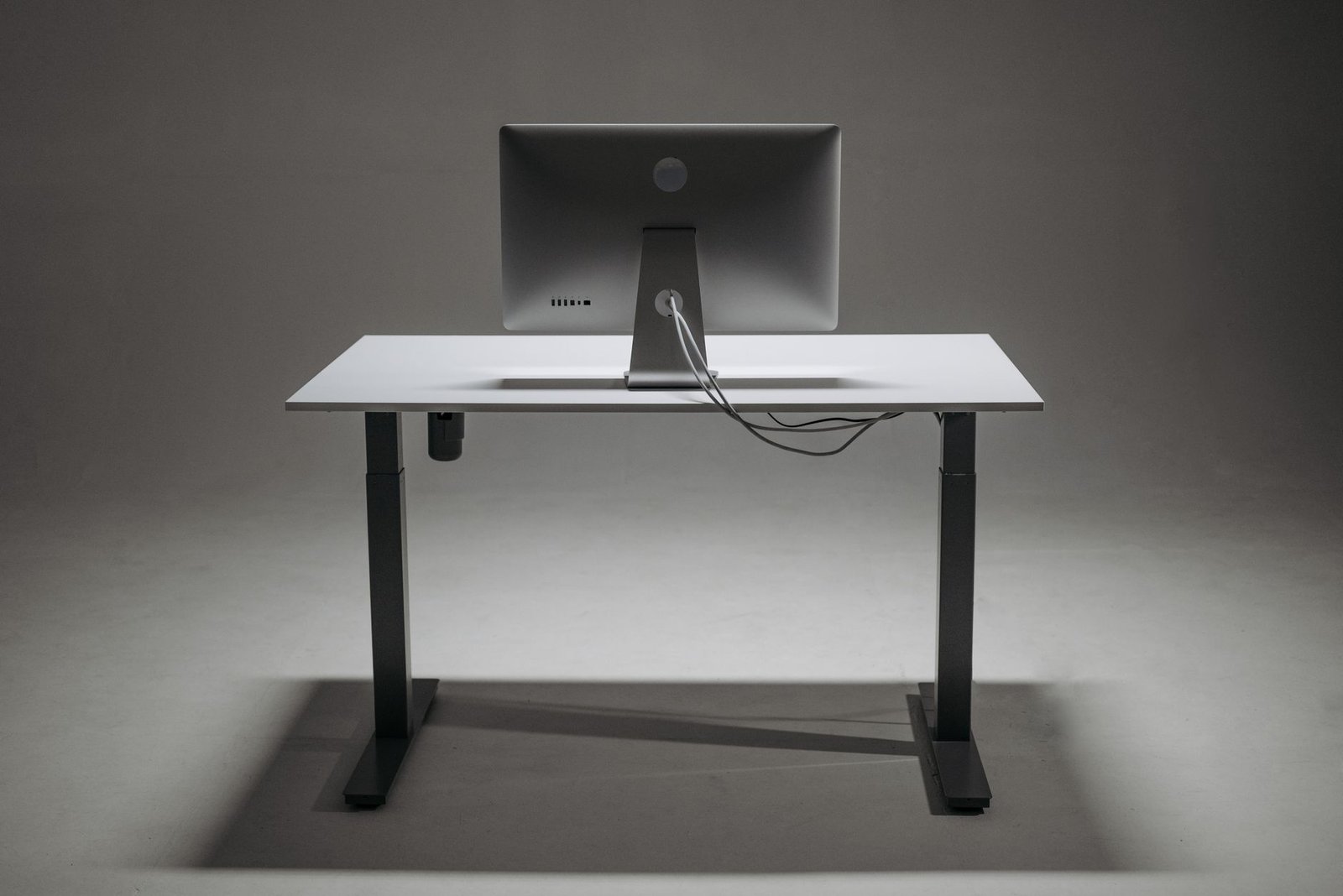
Mounting a walking pad underneath a standard sitting desk is an orthopedic recipe for disaster. To protect your cervical spine, lumbar vertebrae, and wrists, your workstation must be meticulously engineered for active ambulation. An adjustable standing desk is non-negotiable; it must allow you to alter height parameters so that your elbows rest at a perfect 90-degree angle while your hands contact the keyboard.
Monitor placement is the second critical variable in preventing repetitive strain injuries. Your screen’s top edge should align precisely with your eye level, ensuring your gaze points straight ahead rather than downward. Downward gazing while walking forces the cervical spine into a constant forward-flexed posture, placing up to thirty pounds of leverage stress on the supporting neck musculature and triggering tension headaches.
Secure your keyboard and mouse on an extended tray or clamp-on keyboard platform that brings the input devices closer to your body. Reaching forward to type while walking destabilizes your shoulder girdle and induces trapezius muscle fatigue within minutes.
Footwear choice is equally vital when transitioning to an under-desk walking routine. Never walk on a treadmill barefoot, in socks, or wearing stiff-soled dress shoes. Invest in a dedicated pair of low-profile walking shoes featuring moderate arch support and impact-absorbing EVA midsoles to protect the plantar fascia and metatarsal joints from chronic micro-trauma.
Footwear, Biomechanics, and Injury Prevention
Walking on a motorized belt inside an office environment places unique biomechanical demands on the lower kinetic chain. Unlike outdoor walking on uneven terrain, treadmill belts move continuously, encouraging a shorter stride length and a more rapid cadence. Beginners must consciously monitor their strike pattern, aiming for a heel strike that rolls smoothly through the midfoot to the forefoot, avoiding the heavy stomping or shuffling gait common among novices.
Anterior tibial shin splints and Achilles tendonitis are the most frequent overuse injuries reported by beginners who ramp up walking pad duration too rapidly. To mitigate these risks, incorporate daily ankle mobility drills—such as resisted dorsiflexion and calf stretches—into your morning routine before logging your first steps. Additionally, ensure your walking pad is placed on a firm, level surface; thick office carpeting can cause the treadmill deck to flex unevenly, straining lateral ankle stabilizers.
Hydration remains another pillar of injury prevention and metabolic efficiency. Even at low speeds, continuous ambulation induces sensible and insensible fluid loss. Keep an electrolyte-infused water bottle at your desk, taking small sips every few minutes during your 15-minute block to maintain optimal blood volume and cellular hydration.
Structuring Your Daily Work Schedule Around Movement
Integrating a 15-minute walking protocol successfully into a demanding corporate schedule requires behavioral architecture and time-blocking. Random, ad-hoc attempts to walk whenever you feel sluggish often fail due to competing work priorities, urgent emails, and impromptu video meetings. Instead, anchor your walking blocks to fixed physiological or temporal triggers throughout the workday.
The most effective anchor is the post-prandial window. Schedule your 15-minute walking session to begin precisely 20 to 30 minutes after completing lunch. This timing coincides with the peak rise in post-meal blood glucose levels, allowing your active leg muscles to absorb circulating glucose efficiently and preventing the dreaded afternoon energy crash.
Alternatively, you can pair your morning coffee break with a movement block by reviewing non-video-dependent documents, reading industry reports, or participating in listen-only conference calls while on the walking pad. By treating your walking block as a non-negotiable professional appointment, you safeguard your health without sacrificing career output.
Cognitive Performance and Typing Accuracy on the Move
A primary concern among professionals hesitant to adopt under-desk walking pads is the fear of diminished cognitive acuity and typing proficiency. Clinical studies investigating dual-task paradigms—performing cognitive tasks while executing low-intensity motor movements—demonstrate that light walking at speeds under 2.0 mph does not impair executive function, working memory, or reading comprehension in healthy adults.
In fact, the mild cardiovascular stimulation associated with low-intensity walking increases cerebral blood flow and upregulates the expression of brain-derived neurotrophic factor (BDNF). This neurochemical boost enhances alertness and problem-solving capabilities, frequently resulting in improved focus during routine administrative tasks such as email management, data review, and creative brainstorming.
However, tasks requiring high-precision motor skills—such as graphic design, complex coding, or intricate spreadsheet editing—may experience a minor initial dip in efficiency. Beginners should reserve these high-acuity tasks for static sitting periods, dedicating their 15-minute walking blocks to reading, listening, writing drafts, or attending remote meetings.
Troubleshooting Common Walking Pad Challenges
Even with optimal preparation, beginners frequently encounter operational hurdles when first incorporating an under-desk walking pad into their daily routine. Understanding how to troubleshoot these common issues ensures long-term adherence and prevents abandonment of the habit.
Discontinue walking immediately if you experience sharp joint pain, acute dizziness, chest tightness, or shortness of breath. Individuals with pre-existing vestibular disorders, severe peripheral neuropathy, or grade 2-3 lower extremity osteoarthritis must consult a physician prior to initiating any treadmill protocol.
Mechanical noise and belt friction are frequent grievances in shared office environments or multi-story apartment buildings. To resolve this, place a high-density rubber equipment mat underneath the walking pad to dampen vibration transfer. Regularly lubricate the walking deck with silicone oil according to the manufacturer specifications to reduce motor strain and eliminate squeaking noises.
Another common hurdle is physical fatigue and lower back tightness during the first week of use. This typically stems from attempting too much volume too quickly. Scale back your initial sessions to a single 10-minute block or reduce the speed by 0.3 mph until your core musculature adapts to the dynamic stabilizing requirements of a moving surface.
Long-Term Progression and Fat Loss Plateaus
Sustained weight loss requires progressive physiological adaptation. As your body becomes more efficient at low-intensity walking, your caloric expenditure per session will marginally decrease due to improved neuromuscular economy. To prevent fat loss plateaus, you must systematically progress your protocol over a 12-week horizon.
Begin by mastering the foundational 15-minute continuous walk at 1.8 mph during Weeks 1 through 4. In Weeks 5 through 8, introduce a second 15-minute session in the morning, creating a total daily volume of 30 minutes distributed across two distinct work blocks. By Weeks 9 through 12, you can experiment with gentle speed increments, raising your working velocity to 2.2 or 2.4 mph while maintaining perfect posture.
Combine this walking progression with adequate dietary protein intake and strength training to preserve lean muscle mass during your fat loss phase. Tracking your daily step count via a wrist-worn wearable provides objective feedback, allowing you to visualize cumulative progress and maintain high motivation levels throughout your metabolic transformation.
Frequently Asked Questions
Can I actually lose significant weight with just a 15-minute walking pad routine?
While a single 15-minute session burns a modest 60 to 90 calories, the true weight loss power lies in its cumulative metabolic impact. This daily routine breaks up prolonged sedentary hours, reactivates lipoprotein lipase enzymes, improves postprandial glucose disposal, and significantly elevates your daily non-exercise activity thermogenesis (NEAT). When combined with a sensible caloric deficit, this consistent routine prevents metabolic slowdown and supports sustainable fat loss over time.
What is the ideal speed for a beginner on an under-desk walking pad?
The ideal speed for beginners ranges between 1.4 and 1.8 miles per hour. This velocity range is slow enough to allow seamless typing, reading, and mouse navigation without destabilizing your balance or inducing heavy breathing, yet fast enough to elevate your heart rate into the fat-burning aerobic zone. Never prioritize speed over posture and work accuracy during your initial adaptation phase.
How do I prevent my laptop from shaking while I walk?
Laptop vibration is typically caused by an unstable standing desk frame, uneven floor surfaces, or walking with a heavy, stomping heel strike. Ensure your standing desk is locked securely at all joints and placed on a rigid surface. Additionally, focus on a smooth, rolling heel-to-toe stride rather than a flat-footed stomp, and consider investing in a dedicated anti-vibration mat to place beneath your walking pad.
Is it safe to use a walking pad while on video conference calls?
Using a walking pad during video calls is entirely feasible once you master your balance and keep your speed under 1.5 mph. To maintain a professional appearance, position your webcam at eye level so that vertical head bobbing is minimized. Many professionals successfully conduct internal team syncs and listen-only presentations on walking pads without participants ever noticing movement.
What should I wear on my feet during under-desk walking sessions?
You should always wear supportive, cushioned athletic walking shoes or sneakers with low profiles. Avoid walking barefoot, in socks, or in stiff office footwear such as dress shoes, heels, or loafers. Proper footwear absorbs impact shock and protects your plantar fascia, Achilles tendons, and metatarsal joints from the continuous friction of the treadmill belt.
The content provided in this field guide is for informational and educational purposes only and is not intended as medical advice, diagnosis, or treatment. Always consult with a qualified physician or healthcare provider before beginning any new exercise routine, weight loss program, or lifestyle intervention, particularly if you have pre-existing cardiovascular, musculoskeletal, or metabolic health conditions.