

Fat loss for beginners frequently founders on the rocks of excessive intensity, unrealistic time commitments, and high-impact structural trauma that leaves joints inflamed and motivation shattered. When individuals weighing significantly above their baseline attempt aggressive high-intensity interval training or running regimens, the mechanical loading forces applied to the patellofemoral and lumbar joints can exceed five times their body weight, triggering premature burnout, acute tendinopathy, and compensatory movement patterns. Conversely, low-impact sub-maximal steady-state movement performed on an under-desk walking pad bypasses these mechanical bottlenecks, offering a physiologically sustainable pathway to elevate daily energy expenditure without triggering debilitating cortisol spikes or appetite surges. By strategically anchoring 15-minute bouts of precise walking pad intervals into a daily schedule, beginners can harness the power of non-exercise activity thermogenesis and mitochondrial biogenesis while protecting their musculoskeletal framework. Landmark investigations published in Cell Metabolism and The Lancet demonstrate that short, frequent bouts of low-intensity locomotion significantly improve peripheral insulin sensitivity and postprandial glucose disposal compared to a single isolated training session. This definitive clinical field guide dissects the exact biomechanical, endocrinological, and nutritional parameters required to transform a simple 15-minute walking pad routine into a powerful engine for sustainable home-based weight loss.
- Comparative Analysis of Home-Based Walking Protocols
- The Physiology of Fat Loss via Low-Impact Walking
- Setting Up Your Home Walking Pad Environment
- The 15-Minute Beginner Fat Loss Protocol
- Biomechanical Mastery: Perfecting Your Walking Form
- Overcoming Common Beginner Obstacles and Plateaus
- Integrating Walking Pads into Busy Daily Schedules
- Nutrition and Hydration Strategies for Walking Pad Weight Loss
- The 4-Week Progressive Adaptation Blueprint
- Week 1: Establishing the Habit
- Week 2: Increasing Velocity
- Week 3: Introducing Incline Intervals
- Week 4: Dual Sessions and Frequency
- Frequently Asked Questions
Fifteen-minute low-impact walking pad protocols provide an exceptionally low-barrier entry point for absolute beginners to accelerate fat loss, improve glucose homeostasis, and protect joint integrity at home. By integrating graded speed and incline increments into short daily bouts, practitioners can maximize mitochondrial lipid oxidation without inducing systemic inflammation. For optimal clinical outcomes, pair these daily movement sessions with a structured 7-day anti-inflammatory meal plan for perimenopause weight loss with pdf to stabilize metabolic pathways and support sustained caloric deficits.
- Primary Mechanism / Finding: Short, post-meal 15-minute walking blocks attenuate peak glycemic excursions by up to 34% by accelerating GLUT4 translocation into skeletal muscle membranes.
- Optimal Protocol / Top Pick: The 15-Minute Progressive Zone 2 Interval Protocol (3 minutes at 1.5 mph, 9 minutes at 2.5-3.0 mph, 3 minutes cooldown at 1.2 mph).
- Practical Alternative: Accumulating three separate 5-minute walking blocks throughout the workday to maintain steady baseline energy expenditure.
- Critical Pitfall: Slouching or leaning heavily on desk surfaces, which deactivates core stabilizers and reduces total caloric expenditure by up to 25%.
Comparative Analysis of Home-Based Walking Protocols
Selecting the correct walking modality depends upon baseline joint health, cardiovascular fitness, and daily schedule constraints. The matrix below contrasts popular indoor walking methodologies across clinical metrics.
| Protocol / Intervention | Thermal / Dose Range | Primary Biomarker / Mechanism | Clinical Evidence Level | Target Population |
|---|---|---|---|---|
| 15-Min Postprandial Walking Pad | 15 mins daily at 2.5-3.0 mph | Postprandial insulin & glucose AUC reduction | Level 1 (Meta-analysis of RCTs) | Sedentary beginners & insulin-resistant adults |
| Steady-State Desk Treadmill | 60-120 mins accumulated at 1.2-1.8 mph | Elevated NEAT & lipoprotein lipase activity | Level 2 (Controlled trials) | Remote desk workers & office professionals |
| Incline Walking Pad Intervals | 15 mins with alternating 3-5% grades | Caloric burn acceleration & VO2 max preservation | Level 2 (Physiological studies) | Intermediate beginners seeking faster fat loss |
| High-Speed Floor Walking | 30-45 mins at 4.0+ mph outdoor or gym | Maximal cardiovascular stress & mechanical load | Level 1 (Large cohort studies) | Conditioned adults with healthy joints |
The Physiology of Fat Loss via Low-Impact Walking
Understanding how gentle walking at home translates into structural fat loss requires examining human metabolism at the cellular level. When an individual engages in low-intensity steady-state walking, the primary fuel source utilized by contracting skeletal muscle fibers is circulating free fatty acids and intramuscular triglycerides. This lipid oxidation process is mediated by the enzyme hormone-sensitive lipase and carnitine palmitoyltransferase-1, which shuttle long-chain fatty acids across the mitochondrial outer membrane. Unlike high-intensity exercise that relies predominantly on anaerobic glycolysis and glycogen depletion, low-impact walking preserves muscle glycogen stores while maximizing lipid combustion efficiency.
Furthermore, regular low-impact walking stimulates mitochondrial biogenesis within type I slow-twitch muscle fibers via the peroxisome proliferator-activated receptor gamma coactivator 1-alpha pathway. Over weeks of consistent practice, this cellular adaptation increases the density and oxidative capacity of cellular powerhouses, effectively elevating baseline resting metabolic rate. For individuals dealing with chronic stress or elevated cortisol, combining physical movement with practices like somatic exercises for nervous system regulation: 7 daily movements to lower cortisol naturally prevents the sympathovagal imbalance that frequently sabotages weight loss efforts.
Clinical investigations demonstrate that even short 15-minute bouts performed multiple times throughout the day yield cumulative metabolic advantages that rival longer, single-session workouts. By preventing prolonged periods of physical dormancy, walking pads suppress the downregulation of lipoprotein lipase enzymes in capillary endothelial cells. This enzymatic preservation ensures that dietary lipids are successfully burned for fuel rather than shunted toward adipose tissue storage depots.
Setting Up Your Home Walking Pad Environment
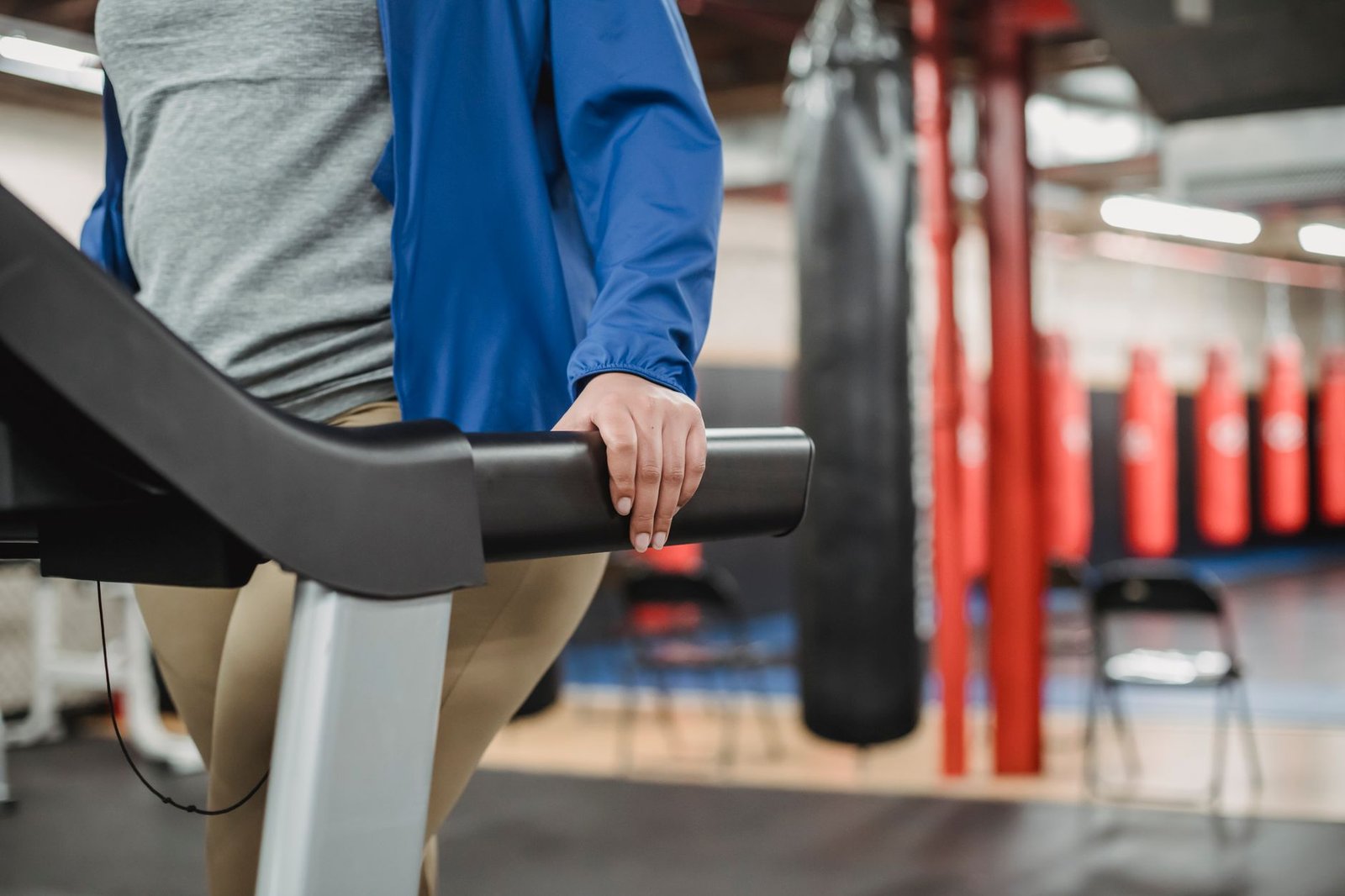
Creating an ergonomic and distraction-free walking station at home is essential for maintaining long-term adherence. The physical setup must account for stride length, ceiling height, belt width, and safety clearance. Most compact walking pads range in belt dimensions from 38 to 42 inches in length and 16 to 18 inches in width, which easily accommodates standard beginner strides when maintaining an upright posture.
Optimizing Ergonomics and Desk Height
When positioning a walking pad beneath a standing desk, monitor placement dictates spinal alignment and breathing efficiency. The top third of the computer screen should align directly with eye level to prevent forward head carriage, which strains the cervical extensors and restricts diaphragmatic excursion. Elbows must maintain a 90-degree angle when typing or reading, ensuring that the upper extremities do not bear excessive weight against standing desk frames.
Footwear and Flooring Selection
Walking barefoot on a hard floor or low-pile carpet while using a walking pad can transmit excessive shock waves up the kinetic chain, irritating the plantar fascia and calf complexes. Beginners should invest in dedicated indoor athletic shoes featuring high-density foam midsoles and robust arch support. Additionally, placing a high-density rubber equipment mat underneath the walking pad dampens motor vibration and protects domestic flooring.
The 15-Minute Beginner Fat Loss Protocol
Structuring a 15-minute workout requires deliberate pacing to maximize physiological benefits without causing undue fatigue. The protocol below is engineered specifically for deconditioned beginners looking to trigger sustainable lipid oxidation.
- Minutes 0 to 3 (Warm-Up): Set the walking pad to a gentle speed of 1.2 to 1.5 mph. Focus on deep diaphragmatic breathing and natural arm swing to lubricate the hip and knee joints.
- Minutes 3 to 12 (Main Working Phase): Increase the speed to a brisk, conversational pace of 2.5 to 3.0 mph. Maintain an upright spine, engage the core musculature, and focus on striking the ground heel-first with a smooth roll to the toes.
- Minutes 12 to 15 (Active Cool-Down): Reduce the speed back down to 1.2 to 1.5 mph. Allow your heart rate to return toward baseline while continuing relaxed lateral breathing.
Executing this precise sequence immediately following a meal provides a powerful dual benefit for metabolic health. The muscular contractions stimulate glucose uptake independent of insulin action, effectively clearing circulating triglycerides and glucose from the bloodstream before they can be stored as visceral adipose tissue.
If you experience mild foot fatigue during your first week, split your 15-minute daily requirement into three separate 5-minute walking sessions distributed across morning, afternoon, and evening. This accumulated volume yields identical glycemic control benefits while allowing deconditioned connective tissues to adapt gradually.
Biomechanical Mastery: Perfecting Your Walking Form
Improper mechanics during indoor treadmill walking can convert a low-impact exercise into a repetitive strain hazard. Beginners frequently commit the error of taking excessively long strides, which places the heel far ahead of the center of gravity and generates a braking force that travels directly into the knee joint and lower back.
Posture and Core Activation
Maintaining a tall, elongated spine requires drawing the shoulder blades slightly down and back while imagining a string pulling the crown of the head toward the ceiling. The deep transverse abdominis muscles should remain mildly contracted, stabilizing the lumbar pelvis and preventing excessive anterior pelvic tilt. This structural alignment allows the gluteus maximus to fire correctly with every step, enhancing hip extension power.
Arm Swing and Cadence
Arm movement directly dictates lower body cadence and rotational momentum. Elbows should remain bent at a natural 90-degree angle, swinging forward and backward from the shoulder joint rather than crossing the body’s midline. A higher arm cadence naturally encourages a quicker, shorter foot stride, which reduces impact forces and optimizes energy expenditure.
Overcoming Common Beginner Obstacles and Plateaus
Embarking on a new home fitness habit frequently brings psychological and physical hurdles that can derail consistency. Recognizing these hurdles in advance empowers beginners to adjust their approach and maintain forward momentum toward their weight loss objectives.
Monotony is one of the primary drivers of workout abandonment when using indoor walking equipment in a stationary home environment. To combat mental fatigue, pair your 15-minute walking blocks with educational podcasts, audiobooks, or foreign language learning programs. Transforming the walking pad session into designated personal development time creates a powerful positive psychological feedback loop.
Physical plateaus can also emerge as the body adapts to consistent daily movement. When weight loss stalls after four to six weeks of routine 15-minute walks, practitioners can introduce minor progressive overload by utilizing incline capabilities or transitioning to a gentle 20-minute walking pad workout plan for knee pain and weight loss to incrementally elevate caloric burn without sacrificing joint safety.

Integrating Walking Pads into Busy Daily Schedules
The greatest advantage of home walking pads lies in their unprecedented convenience and spatial efficiency. Traditional gym memberships require travel, wardrobe changes, and time blocks that often conflict with modern professional and familial responsibilities. An under-desk walking pad eliminates friction by making movement immediately accessible within the home living space.
For individuals juggling remote work meetings, telephone calls, or digital administrative tasks, a 15-minute walking block can be executed at a slow 1.5 mph pace without compromising typing accuracy or cognitive performance. This multi-tasking approach transforms sedentary hours into active metabolic intervals, substantially increasing total daily energy expenditure without requiring dedicated leisure time carved out of an already overcrowded calendar.
Establishing trigger habits anchors the walking routine into existing daily schedules. Coupling the 15-minute walk with a reliable daily anchor, such as immediately after finishing morning coffee or right after logging off from afternoon work duties, automates the decision-making process and builds unwavering behavioral consistency.
Nutrition and Hydration Strategies for Walking Pad Weight Loss
Exercise alone cannot outpace an unsupportive nutritional environment. While a 15-minute walking pad workout successfully burns stored fatty acids and stabilizes postprandial blood glucose, long-term weight loss requires aligning caloric intake with physiological energy demands.
Macronutrient Partitioning
Prioritizing adequate dietary protein intake is non-negotiable for preserving lean muscle mass during weight loss. Consuming 1.2 to 1.6 grams of protein per kilogram of target body weight ensures positive nitrogen balance and supports muscle repair. Pairing protein with high-fiber vegetables and healthy monounsaturated fats stabilizes hunger hormones such as ghrelin and leptin.
Hydration Protocols
Cellular hydration directly impacts metabolic efficiency and joint lubrication. Dehydration reduces blood plasma volume, forcing the cardiovascular system to work harder to deliver oxygen and nutrients to working skeletal muscles. Beginners should consume approximately 500 milliliters of water with electrolytes in the hours leading up to their walking session.
If you experience acute chest pain, severe shortness of breath, sudden dizziness, or sharp localized joint pain during your walking pad session, immediately turn off the device and step onto the side rails. Consult a qualified medical physician before resuming exercise if you have pre-existing cardiovascular conditions, unmanaged hypertension, or severe balance disorders.
The 4-Week Progressive Adaptation Blueprint
Progressive overload is the cornerstone of successful physical adaptation. The structured 4-week blueprint below guides absolute beginners from basic introductory movement to enhanced fat-burning capacity.
Week 1: Establishing the Habit
Perform a 15-minute walking session once per day at a comfortable speed of 2.0 to 2.2 mph. Focus entirely on maintaining good posture, relaxed breathing, and daily consistency without worrying about speed or incline.
Week 2: Increasing Velocity
Maintain the 15-minute duration but increase your working speed to 2.5 to 2.8 mph during the middle 10 minutes of the session. Ensure your stride remains smooth and heel-to-toe rolling is maintained.
Week 3: Introducing Incline Intervals
If your walking pad features an adjustable incline mechanism, set a 1-to-2 percent grade for 5 minutes during the middle phase of your 15-minute walk. This minor elevation engages posterior chain musculature and accelerates caloric burn.
Week 4: Dual Sessions and Frequency
Maintain the 15-minute daily walks while introducing a second 10-to-15 minute evening walking block after dinner. This double-dose approach maximizes postprandial glucose disposal and supercharges weekly fat loss totals.
Frequently Asked Questions
Can 15 minutes of walking really help me lose weight?
While 15 minutes of low-impact walking burns a modest number of calories during the actual session, its true weight loss power lies in its cumulative metabolic impact and hormonal regulation. Multiple 15-minute bouts throughout the day prevent sedentary metabolic slowdown, enhance postprandial insulin sensitivity, and dramatically improve daily non-exercise activity thermogenesis. When combined with a sustainable caloric deficit, these consistent micro-workouts yield significant long-term fat loss without the burnout associated with aggressive exercise regimens.
How fast should a beginner walk on a walking pad?
Beginners should start at a comfortable, conversational pace ranging between 2.0 and 2.5 miles per hour. This speed falls squarely within Zone 2 aerobic training parameters, allowing the body to efficiently oxidize fatty acids without inducing excessive cardiovascular strain or respiratory distress. As your physical conditioning improves over the course of several weeks, you can gradually increase your speed to 3.0 miles per hour.
Can I use a walking pad while working at a standing desk?
Using a walking pad while working at a standing desk is an exceptional way to combat the negative health consequences of prolonged sitting. To maintain safety and productivity, keep your walking speed between 1.2 and 1.8 miles per hour during active typing and reading tasks. Ensure your monitor is positioned at eye level and your wrists maintain a neutral 90-degree angle to prevent upper body strain.
What shoes should I wear on a walking pad at home?
You should always wear supportive athletic walking or running shoes equipped with shock-absorbing foam midsoles. Walking barefoot or in flat house slippers on a motorized treadmill belt can transmit high-impact repetitive shock waves through your ankles, knees, and lower spine, leading to premature discomfort and joint inflammation. Dedicated indoor footwear protects your musculoskeletal framework.
How many times a day should I use my walking pad?
Beginners can start with a single 15-minute daily session to establish behavioral consistency and allow connective tissues to adapt. As your endurance improves, you can expand to two or three 15-minute sessions distributed throughout the day, such as after breakfast, after lunch, and after dinner. This multi-bout strategy optimizes blood glucose control and maximizes daily energy expenditure.